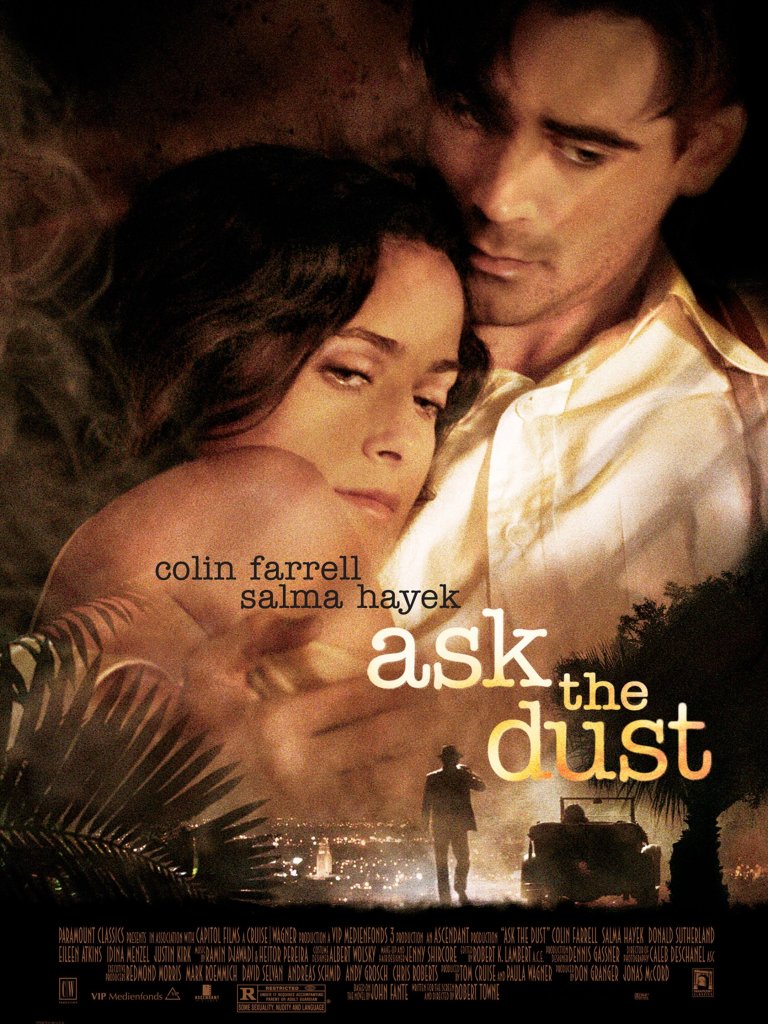
Lest you forget that there is no sure thing, we direct your attention to Ask the Dust.
The project must have looked irresistible on paper. Its pedigree is impeccable. After all, the film is based on the 1939 quasi-autobiographical novel by John Fante, whose rabid cult following included Charles Bukowski. Ask the Dust is written and directed by another notable Fante acolyte, Robert Towne. Like Towne’s masterful screenplay for Chinatown, this movie is steeped in the desert noir of 1930s-era Los Angeles. Add to that the tale of a self-tortured artist mired in a bitterly dysfunctional relationship, and you’ve got the makings of compelling drama.
Theoretically, that is.
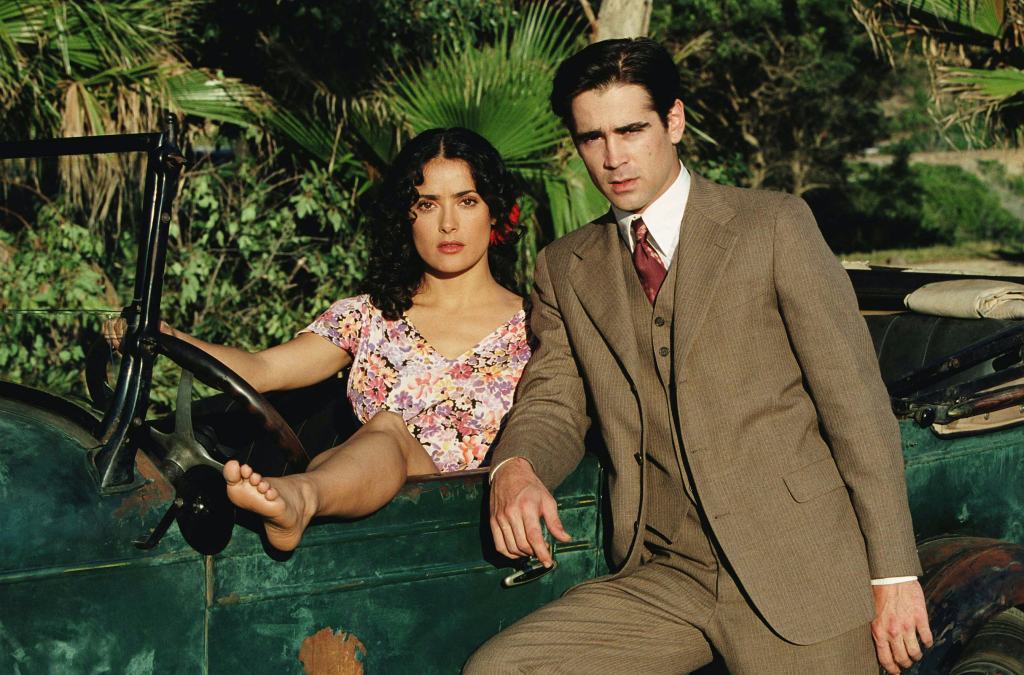
Ask the Dust does not lack things to admire, particularly its beautifully evocative look courtesy cinematographer Caleb Deschanel. But Towne’s study of writerly obsession and sadistic love suffers from an airlessness that suffocates whatever ambitions are percolating in the margins. The result is especially disappointing since it was a labor of love for Towne, who had fought to make the movie ever since he came across Fante’s book in the course of researching Chinatown.
Colin Farrell portrays Arturo Bandini, a would-be writer recently arrived in the City of Angels with dreams of fame and fortune. Trouble is, Bandini has only a single professional credit, a short story published in the H.L. Mencken-edited literary magazine, American Mercury. And to compound matters, he is a bit of an asshole, alternately arrogant, insecure and ashamed of his Italian ancestry.
Holed up in his dingy downtown apartment and running out of money, Bandini takes a respite and saunters over to a neighborhood bar for a cup of coffee. There he has a singularly unpleasant encounter with Camilla Lopez (Salma Hayek), a beautiful Mexican waitress battling her own self-esteem issues. They meet. Bandini insults her native sandals. She responds in kind. Naturally, they are attracted to and repelled by each other, and so begins a tumultuous love affair.
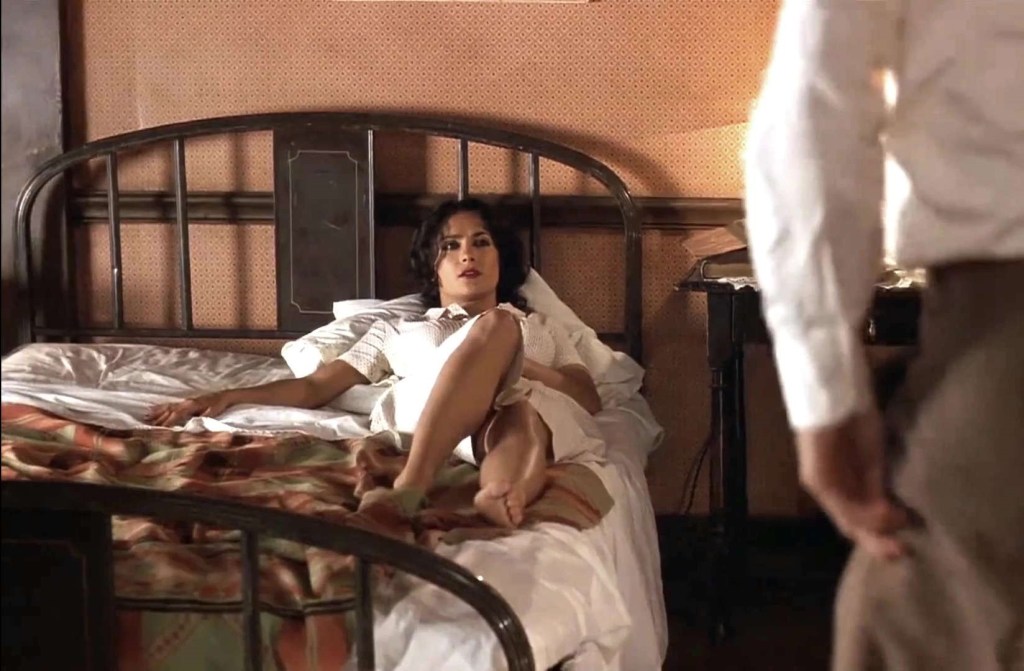
The film’s universe is populated with outcasts and outsiders, a theme that becomes more pointed as Bandini and Camilla grow closer. Both see themselves as pariahs because of their ethnicity; Bandini, who lives in a hotel that doesn’t accept Mexicans or Jews, is routinely questioned by people about his surname. Camilla hopes to marry a Caucasian with a bland American name.
The performances are strong. Hayek is good, if a bit too gorgeous for the role. Farrell gives a valiant effort. All traces of his thick Irish accent are gone, but there might be something of a tradeoff as a result; Farrell comes off as mannered and stilted, coiled so tightly he spends much of the film speaking in slightly hushed tones.
And despite considerable screen time together, including some full-frontal nudity along a moonlit beach, Farrell and Hayek fail to conjure up much chemistry. Throughout the movie, they snap and snipe at each other in lieu of foreplay, probing for psychological sore spots. But instead of being edgy and exciting, their troubled affair just feels labored.
Ask the Dust most comes alive with the appearance of Idina Menzel as a wounded (figuratively and literally) stalker who is smitten with Bandini. She and Farrell have some memorable scenes together, but then the story soon jets back to the Bandini-Lopez orbit. Donald Sutherland pops up periodically as a soused neighbor, but his presence mainly serves to remind us of Sutherland’s performance in a similar but superior picture, 1975’s The Day of the Locust.
Still, Towne is far too gifted a writer for the film to be deemed an utter failure. Much of the dialogue crackles with wit, particularly Farrell’s voiceover narration in the early scenes. In fact, Ask the Dust proves most successful when it’s not mired in the love story at its core.
 Cutting to the Chase with Phil Bacharach