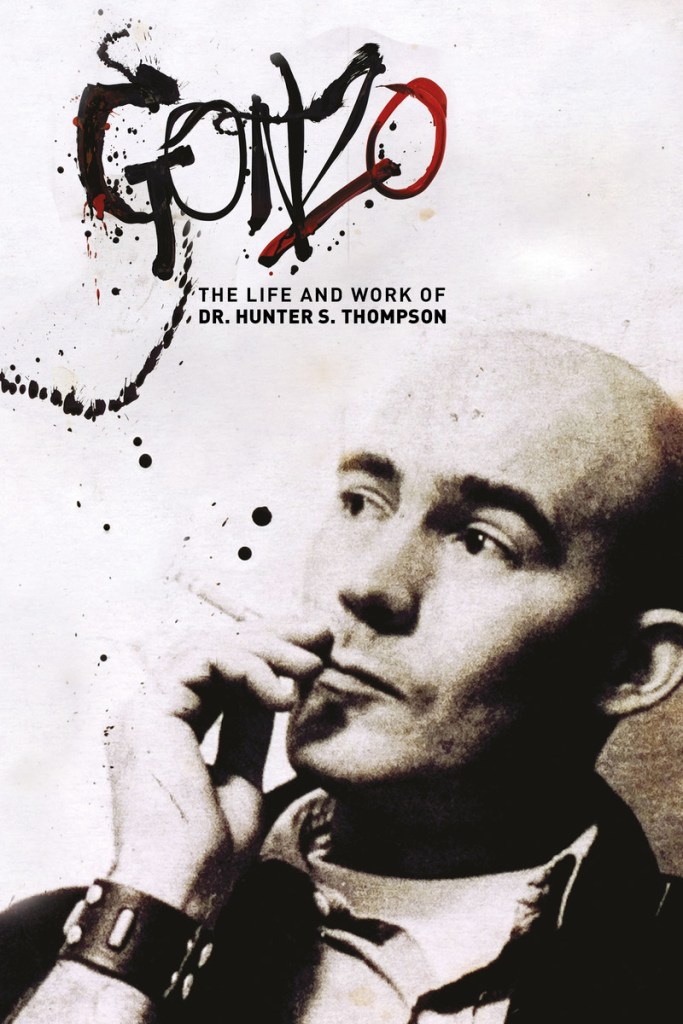
Print journalists don’t typically receive rock star status, but Hunter S. Thompson was far from a typical journalist. A booming, pill-popping gun nut with a wit that could cut glass, the not-so-good “doctor” practically invented gonzo journalism with subversive classics such as Fear and Loathing in Las Vegas and Fear and Loathing on the Campaign Trail ’72. His singular outrageousness is tough to capture, but Oscar-winning documentarian Alex Gibney does as well as can be expected in Gonzo.
Incorporating home movies, rare TV footage and some innovative reenactments, Gonzo hits the manic touchstones of Thompson’s career. Gibney benefits from interviews with his subject’s loved ones, colleagues and admirers, a lineup that includes Tom Wolfe, Jimmy Carter, Gary Hart, Jimmy Buffett, Pat Buchanan and Thompson’s first wife. Sondi Wright.
Thompson was toiling away as a freelance writer in mid-1960s’ San Francisco when he was assigned to write about the Hell’s Angels. He spent a year riding with the motorcycle gang; the subsequent book in 1966 earned him praise from critics and a beating from the outlaw bikers.
Thompson’s celebrity quickly ballooned with his oversized persona. Assigned to cover the Kentucky Derby for a sports magazine, he and British illustrator Ralph Steadman dropped acid at Churchill Downs and virtually ignored the race. “We’d come to watch the real beasts perform,” Thompson wrote in a dispatch that centered on the spectators he described as the result of “perfect inbreeding.”
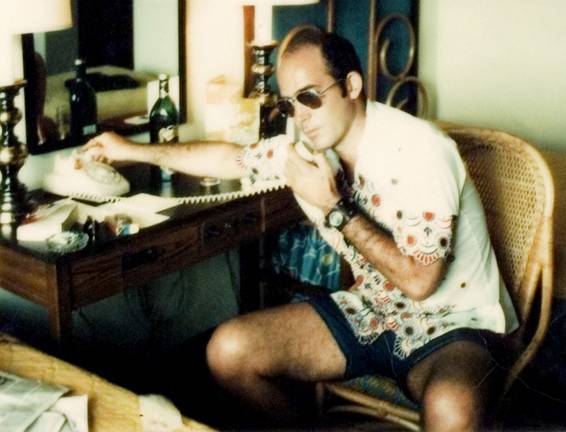
While the docu handles most of Thompson’s early career with aplomb, a notable exception is the section on 1971’s Fear and Loathing in Las Vegas. Gibney heaps on footage from the book’s 1998 movie version that starred Johnny Depp, who appears in much of Gonzo doing somber readings of Thompson’s prose. The film adaptation of of Fear and Loathing, while a fine picture, does not begin to convey the book’s insanity or hilarity.
Gibney is better chronicling Thompson’s political adventures. In 1970, the journalist ran for sheriff of Aspen, Colorado, on a Freak Power platform of legalizing drugs and changing the city’s name to “Fat City.”
Two years later, Thomspon covered the presidential election for Rolling Stone. An unabashed George McGovern supporter, he directed his most scathing prose at McGovern’s chief rivals for the Democratic nomination. Thompson was particularly merciless to Sen. Edmund Muskie, speculating that the candidate was addicted to a hallucinogenic called ibogaine. Gibney, whose credits include Casino Jack and the United States of Money, Client 9 and Totally Under Control, is clearly a political animal; he relishes Thompson’s heroically irreverent coverage of the 1972 election.
That campaign was Thompson’s last hurrah. Gonzo posits that he never recovered from the disillusionment of Richard Nixon’s landslide re-election. The man’s writing and personal life floundered after that with a string of disappointments, culminating with his suicide in 2005. If the documentary tends to run out of steam along with its subject, most of this trip is a raucous celebration of gonzo’s granddaddy.
 Cutting to the Chase with Phil Bacharach