Inspiration can come in many guises. According to legend, the genesis of the Dallas Cowboys Cheerleaders stemmed from a 1967 football game at the Cotton Bowl when Cowboys general manager Tex Schramm spotted a local stripper, Bubbles Cash, as she ambled down a staircase wearing a miniskirt and holding two spindles of cotton candy as if they were pompoms.
An idea struck Schramm.
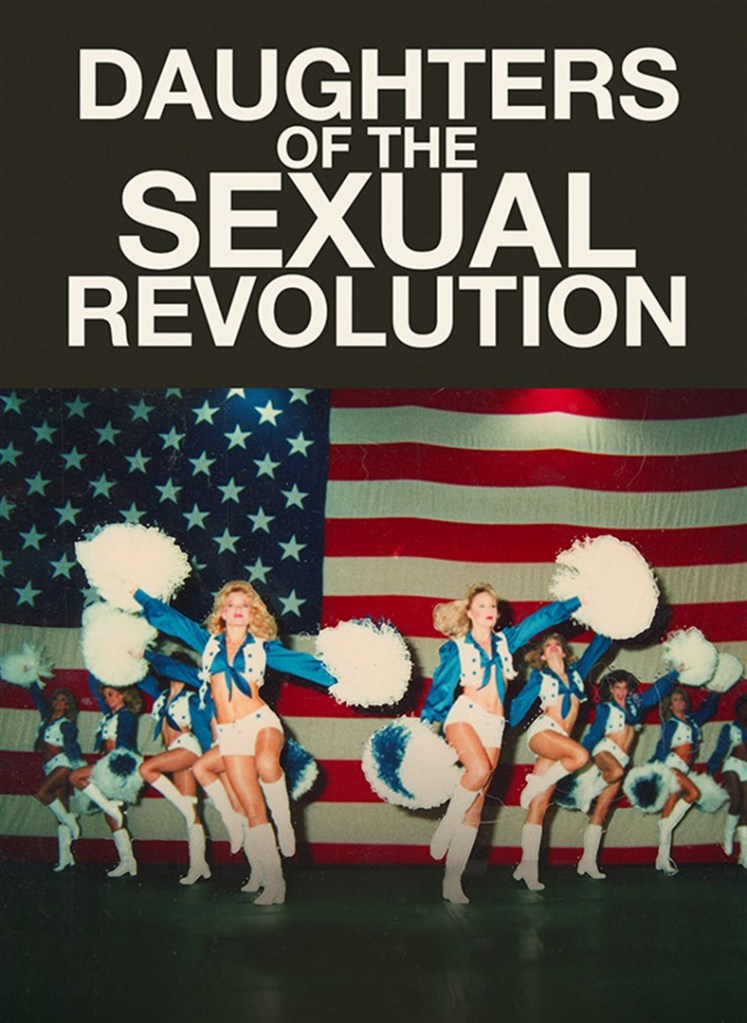
A few years later, the Cowboys introduced its new cheer squad of scantily clad, buxom young women. The documentary Daughters of the Sexual Revolution: The Untold Story of the Dallas Cowboys Cheerleaders chronicles how the original DCC became iconic of the freewheeling 1970s and early ’80s, bringing the allure of sex to NFL football.

Documentary maker Dana Adam Shapiro, in his first work since co-directing 2005’s excellent Murderball, details the cheerleaders’ ascent through terrific archival footage and a host of interviews with various ex-DCC members and other principals. One of those interviewees, former Cowboys Cheerleaders director Suzanne Mitchell, was a key force in making the squad a pop culture bonanza.
Decked out in knotted half-shirts, short shorts and white vinyl go-go boots, the cheerleaders inhabited a space where America’s social landscape was being shaped by both women’s liberation and the sexual revolution. Mitchell, the only female executive in the Cowboys front office, presumably would have been a champion for feminism, but the DCC were also derided as midriff-baring pawns of a leering patriarchy. “A lot of women didn’t like us,” recalls one ex-cheerleader.
Love ’em or hate ’em, the Dallas Cowboys cheerleaders were an unequivocal phenomenon. The proverbial dam broke in 1976 during Super Bowl X. A TV cameraman, cutting away from the Cowboys-Steelers matchup, captured the knowing wink of a Dallas cheerleader. “After the wink,” recalls a former Cowboys broadcaster, “all hell broke loose.”
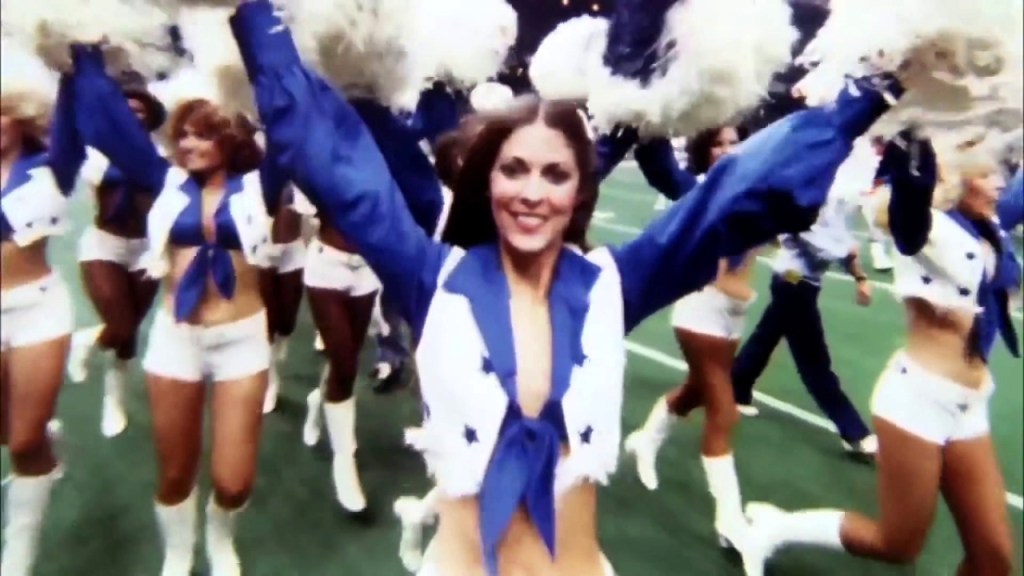
It wasn’t long before the Cheerleaders were appearing in everything from posters and wall calendars to appearances on TV’s The Love Boat and Family Feud. The mega-celebrity obscured the fact that squad members were subject to strict rules governing life off the field, all for a meager $15 per game (before taxes).
Despite some chatter paid to the American heartland’s curious intersection of religion and sex, Daughters of the Sexual Revolution is unsurprisingly (if perhaps fittingly) skin-deep. But with its quick edits, brisk pace and visual wit, it is a consistently entertaining hoot.
 Cutting to the Chase with Phil Bacharach