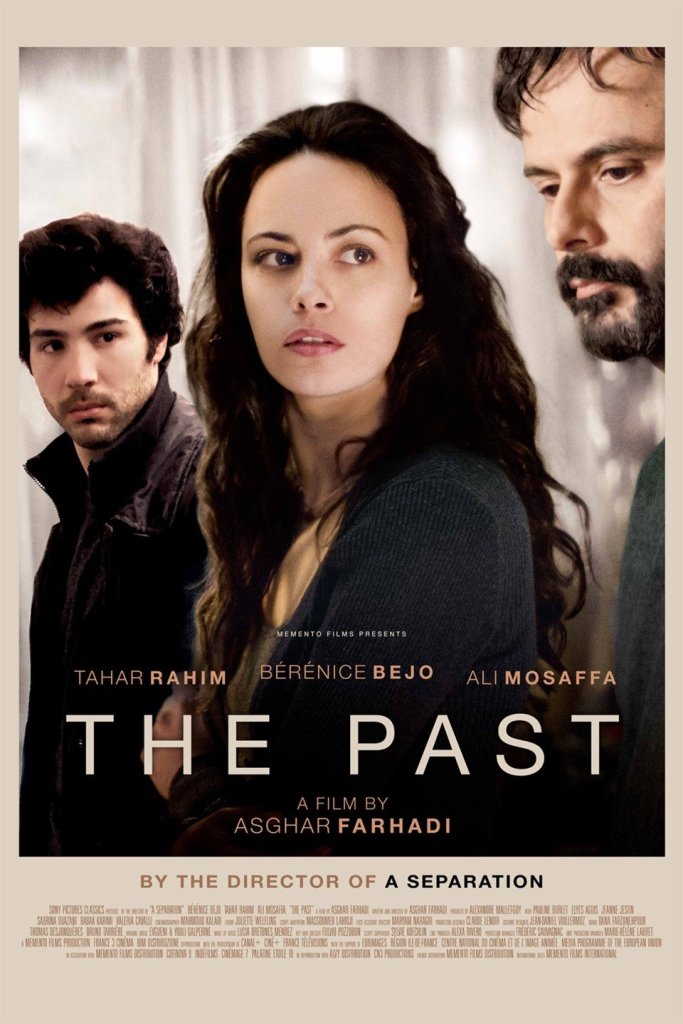
Asghar Farhadi burst on the international stage with 2011’s Oscar-winning A Separation, but he was making accomplished films in his native Iran well before the rest of the world took notice. Case in point is The Past, a brutally effectivre exploration of domestic crisis.
It begins as Ahmad (Ali Mosaffa) returns to Paris after four years to finalize a divorce with his estranged wife, Marie (Bérénice Bejo). The ambivalence between them — an easy rapport pivoting to sniping and then back again — surfaces quickly. Ahmad, a native Iranian who has been living in Tehran, assumes he will be lodging in a hotel. Instead, Marie wants him to stay in her house. She tells him she hopes he will talk to Lucie (Pauline Burlet), her teen daughter from an earlier marriage, to find out why she has been so sullen and combative.
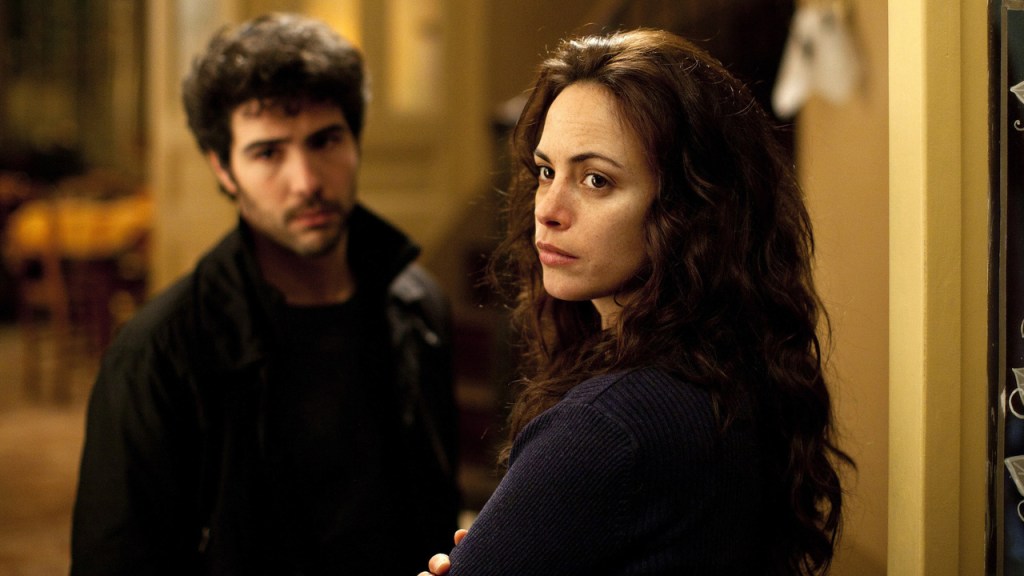
It doesn’t take long to discover the source of that friction. Lucie and Ahmad are close, and the girl isn’t happy that her mom has been shacking up with Samir (Tahar Rahim), a hangdog-faced dry cleaner whose wife has been comatose for the past eight months. Ahmad isn’t so thrilled to hear about it himself, and he only finds out because Samir’s 8-year-old son (Elyes Aguis) is his bunkmate at Marie’s home.
That’s a lot of story to chew on, but Farhadi, who also wrote the screenplay, masterfully reveals information in dribs and drabs. Questions are answered, only to spur more questions. For most of the way, the viewer’s proxy is the likeable Ahmad, who navigates the volatility while confronting his own unresolved feelings about his ex.
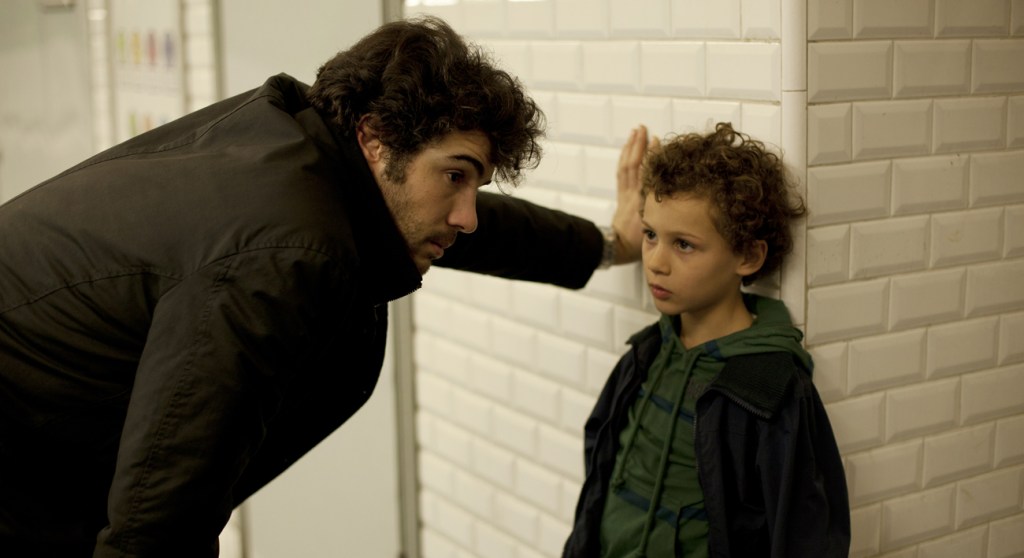
The casting is impeccable. Bejo is a combustible mix of beauty, vulnerability and concealed rage. Mosaffa makes for an appealing Everyman, while Rahim finds the empathy past Samir’s haplessness. Perhaps the most surprising performance is Aguis, all too heartbreaking as a damaged child.
What reads on paper like potentially turgid melodrama becomes, under Farhadi’s clear-eyed direction, an absorbing slice of life. The Past offers five generally decent characters, albeit compromised by their desires and complexity. They all have their reasons.
 Cutting to the Chase with Phil Bacharach