Periodically in these here parts, I am going to drop my favorite 10 movies decade by decade. It’s among my compulsions, for better or worse.
Thank you for humoring me.
1940:
10. All This, and Heaven Too, director: Anatole Litvak
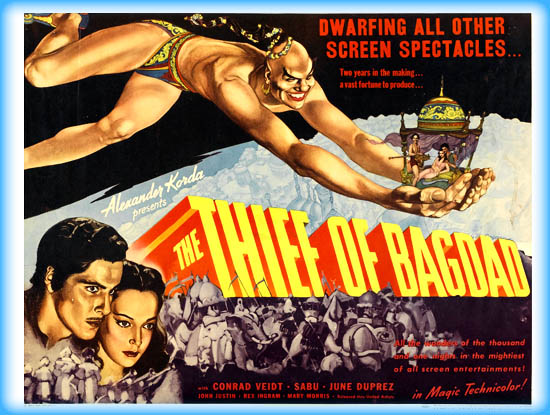
9. The Thief of Bagdad, director: Ludwig Berger, Michael Powell & Tim Whelan
8. The Letter, director: William Wyler
7. Pinocchio, director: Hamilton Luske & Ben Sharpsteen
6. The Great Dictator, director: Charlie Chaplin
5. The Grapes of Wrath, director: John Ford
4. Foreign Correspondent, director: Alfred Hitchcock
3. Rebecca, director: Alfred Hitchcock
2. The Philadelphia Story, director: George Cukor
1. His Girl Friday, director: Howard Hawks
Howard Hawks made an inspired revision in this adaptation of The Front Page. Ben Hecht and Charles MacArthur’s hit play about the tabloid newspaper biz already had been the subject of a 1931 movie before Hawks thought to change the sex of a key character, thereby transforming His Girl Friday into a screwball romantic comedy. Cary Grant, Rosalind Russell and Ralph Bellamy deliver whip-smart dialogue and inside jokes at breakneck speed. It is vintage Hawks. British movie critic Leslie Halliwell called it “one of the most enjoyably exhausting experiences” ever in film. “It doesn’t let up for a minute,” he wrote. “Never in the field of screen comedy have so many talked so much at one time without ever confusing their listeners.”
1941:
10. The Devil and Miss Jones, director: Sam Wood
9. The Strawberry Blonde, director: Raoul Walsh
8. The Lady Eve, director: Preston Sturges
7. Ball of Fire, director: Howard Hawks
6. How Green Was My Valley, director: John Ford
5. All That Money Can Buy, director: William Dieterle
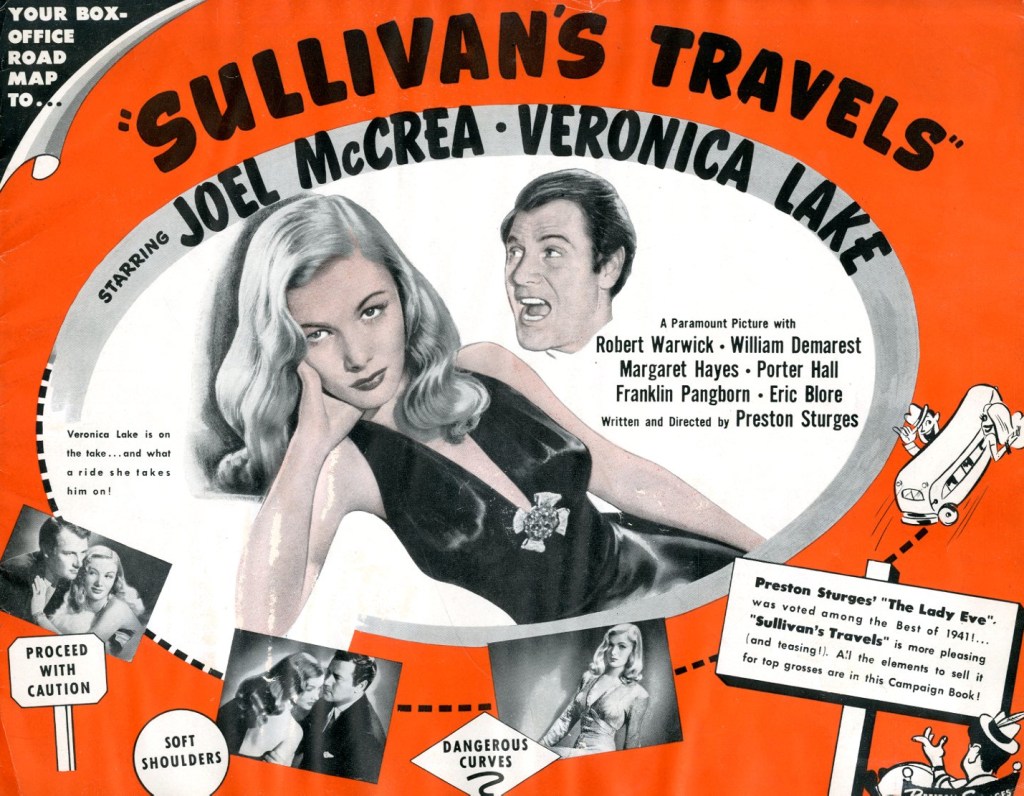
4. Sullivan’s Travels, director: Preston Sturges
3. Dumbo, director: Ben Sharpsteen
2. The Maltese Falcon, director: John Huston
1. Citizen Kane, director: Orson Welles
What’s there to say about Orson Welles’ audacious directorial debut that hasn’t been said? RKO had given the 24-year-old boy genius carte blanche to make whatever he wanted; the result elevated the language of cinema to a new level. Welles’ thinly veiled portrait of media baron William Randolph Hearst is brilliantly structured (the script is credited to Welles and Herman J. Mankiewicz), full of wonderful performances from Welles’ Mercury Theatre players (particularly Joseph Cotten and Everett Sloane) and boasts groundbreaking deep-focus cinematography courtesy Gregg Toland. While Citizen Kane might no longer be the critical consensus for “best film of all time,” there’s no disputing it’s in the discussion.
1942:

10. The Glass Key, director: Stuart Heisler
9. The Palm Beach Story, director: Preston Sturges
8. Saboteur, director: Alfred Hitchcock
7. Desperate Journey, director: Raoul Walsh
6. I Married a Witch, René Clair
5. Holiday Inn, director: Mark Sandrich
4. Cat People, director: Jacques Tourneur
3. The Magnificent Ambersons, director: Orson Welles
2. To Be or Not to Be, director: Ernst Lubitsch
1. Casablanca, director: Michael Curtiz
This classic “fight for love and glory” during World War II reflects the best of Hollywood’s studio system. Michael Curtiz keeps the pace brisk, while the Warner Brothers factory ensured the storytelling and production sparkled. The star wattage of Humphrey Bogart and Ingrid Bergman is unparalleled. As Danny Peary noted in Cult Movies, Casablanca is “that rare lucky film where everything came together, clicked, and there was perfection.” In other words, the fundamental things apply. But the picture, based on the stage play Everybody Comes to Rick’s, wouldn’t be what it is without a tremendous stable of character actors that included Claude Rains (superb here), Peter Lorre, Sydney Greenstreet and Dooley Wilson.
1943:

10. Lassie Come Home, director: Fred M. Wilcox
9. I Walked with a Zombie, director: Jacques Tourneur
8. Air Force, director: Howard Hawks
7. The Life and Death of Colonel Blimp, director: Emeric Pressburger & Michael Powell
6. Cabin in the Sky, director: Vincente Minnelli
5. The More the Merrier, director: George Stevens
4. The Ox-Bow Incident, director: William A. Wellmam
3. Day of Wrath, director: Carl Theodor Dreyer
2. Le Corbeau, director: Henri-Georges Clouzot
1. Shadow of a Doubt, director: Alfred Hitchcock
Reportedly Alfred Hitchcock’s personal favorite of all his films, Shadow of a Doubt is certainly one of the most chilling in his canon. Joseph Cotten is the enigmatic uncle who might be a literal ladykiller, with Teresa Wright the adoring niece who is starting to notice how Uncle Charlie gets so unglued when the topic of widows comes up. The screenplay, which playwright Thornton Wilder penned with Sally Benson and Alma Reville (Hitchcock’s wife), deftly weds suspense and dark humor. “It is the first modern American horror film,” wrote Neil Sinyard in The Films of Alfred Hitchcock, “not only glimpsing the world as a ‘foul sty’ but rooting the sources of horror, frustration, and violence in the heart of average family life.”
1944:

10. Murder, My Sweet, director: Edward Dmytryk
9. Laura, director: Otto Preminger
8. Gaslight, director: George Cukor
7. Hail the Conquering Hero, director: Preston Sturges
6. To Have and Have Not, director: Howard Hawks
5. Meet Me in St. Louis, director: Vincente Minnelli
4. Thirty Seconds Over Tokyo, director: Mervyn LeRoy
3. A Canterbury Tale, director: Emeric Pressburger & Michael Powell
2. The Miracle of Morgan’s Creek, director: Preston Sturges
1. Double Indemnity, director: Billy Wilder
Film noir rarely came more hard-boiled than this crackerjack thriller that director Billy Wilder co-wrote with an often-drunk Raymond Chandler in adapting James M. Cain’s tawdry potboiler. Decades before Fred MacMurray was My Three Sons‘ comfy TV dad, he specialized in playing callow scoundrels, and Double Indemnity makes it clear why. His Walter Neff is one humdinger of a p-whipped insurance salesman, with Barbara Stanwyck his nasty equal as Phyllis Dietrichson, the platinum-blonde femme fatale wearing “a honey of an anklet” who wants her husband gone. Walter and Phyllis’ torrid love affair leads to murder, of course. Complications, as they say, ensue.
1945:

10. Detour, director: Edgar Ulmer
9. Blithe Spirit, director: David Lean
8. Leave Her to Heaven, director: John M. Stahl
7. They Were Expendable, director: John Ford
6. Brief Encounter, director: David Lean
5. A Walk in the Sun, director: Lewis Milestone
4. Scarlet Street, director: Fritz Lang
3. Mildred Pierce, director: Michael Curtiz
2. Rome, Open City, director: Roberto Rossellini
1. Children of Paradise, director: Marcel Carné
Les Enfants du Paradis is the 19th century tale of a French courtesan, played by Arletty, and the four radically different men who pursue her in the often magical world of the theater. Movie scholar David Thomson hailed it as a “panorama of theatrical enterprise, from the lowest street performers to the loftiest actors, and [Jacques] Prévert’s screenplay is a masterpiece that keeps everyone in action, or in mind, at the same time.” Marcel Carné, who shot Children of Paradise while France was under Nazi occupation, circumvented the German ban on on motion pictures over 90 minutes by simply separating it into two parts. The result is rich, complex and visually sumptuous.
1946:
10. Great Expectations, director: David Lean
9. Humoresque, director: Jean Negulesco
8. Beauty and the Beast, director: Jean Cocteau
7. Gilda, director: Charles Vidor
6. It’s a Wonderful Life, director: Frank Capra
5. The Best Years of Our Lives, director: William Wyler
4. A Matter of Life and Death, director: Emeric Pressburger & Michael Powell
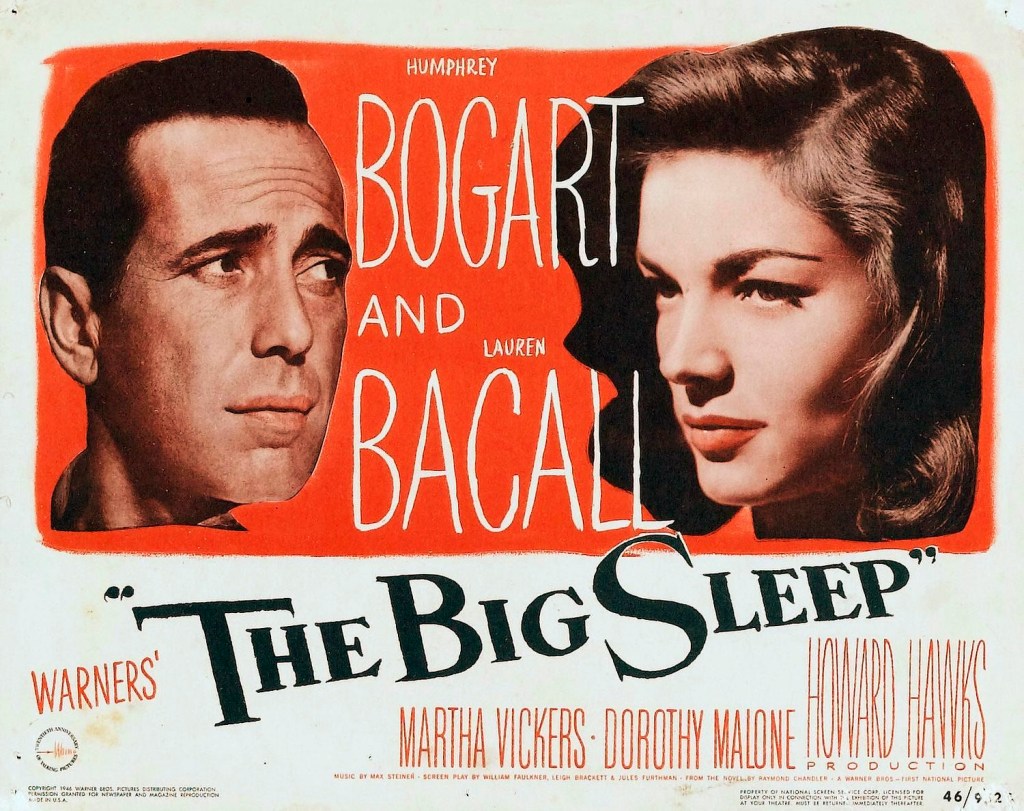
3. The Big Sleep, director: Howard Hawks
2. My Darling Clementine, director: John Ford
1. Notorious, director: Alfred Hitchcock
Ingrid Bergman is a hard-drinking party girl and Cary Grant the brooding American secret agent who coerces her into shacking up with, then spying on, Claude Rains’ fugitive Nazi. Notorious might be the sexiest of Alfred Hitchcock’s thrillers, and that’s no small feat. Not many onscreen kisses from Hollywood’s Golden Age are as memorably intimate as Bergman and Grant make-out session here. Or as The New York Times‘ Bosley Crowther mused at the time, “We do not recall a more conspicuous — yet emotionally delicate — love scene on the screen than one stretch of billing and cooing that the principals play.” Bergman was never more luminous; the camera loves her almost as much as it loves Hitch’s beautifully composed set pieces. That said, 1946 was an extraordinary year; any of my top seven selections could be my favorite of the year on any given day.
1947:
10. Boomerang!, director: Elia Kazan
9. Brute Force, director: Jules Dassin
8. Body and Soul, director: Robert Rossen
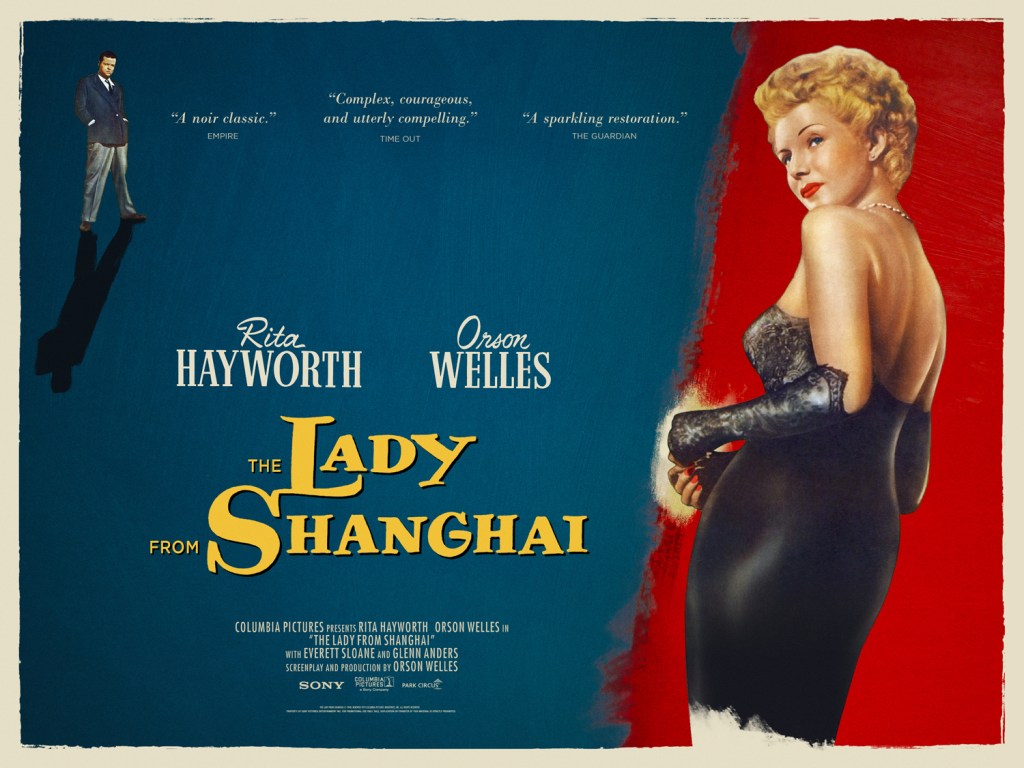
7. The Lady from Shanghai, director: Orson Welles
6. Ride the Pink Horse, director: Robert Montgomery
5. Miracle on 34th Street, director: George Seaton
4. Out of the Past, director: Jacques Tourneur
3. The Ghost and Mrs. Muir, director: Joseph L. Mankiewicz
2. Black Narcissus, director: Emeric Pressburger & Michael Powell
1. Nightmare Alley, director: Edmund Goulding
Calling Nightmare Alley Tyrone Power’s best work isn’t saying much, but Edmund Goulding’s über-dark noir is so cynical and unremittingly misanthropic, it’s sure to rattle around in your noggin for days afterward. Power lobbied hard to play Stan Carlisle, the sleazy conman who graduates from carny barker to charlatan clairvoyant, and the actor is superb here. Dark City author Eddie Muller notes that the flick is atypical for film noir, pointing out there are no guns, gangsters, or crime of passion, but adding that “it’s one of the most cynical movies that Billy Wilder never made.” Guillermo del Toro’s 2021 remake is inspired, but there’s room for both pictures to coexist in harmony.
1948:

10. 3 Godfathers, director: John Ford
9. Rope, director: Alfred Hitchcock
8. The Red Shoes, director: Emeric Pressburger & Michael Powell
7. A Foreign Affair, director: Billy Wilder
6. Unfaithfully Yours, director: Preston Sturges
5. Pitfall, director: André de Toth
4. Red River, director: Howard Hawks
3. Oliver Twist, director: David Lean
2. Bicycle Thieves, director: Vittorio De Sica
1. The Treasure of the Sierra Madre, director: John Huston
John Huston’s magnificent tale of gold and greed is admirably gritty, from its excellent location work to Max Steiner’s sweeping score. But the actors rightly take center stage. While Tim Holt exudes quiet decency, The Treasure of the Sierra Madre clearly belongs to Humphrey Bogart as the increasingly paranoid Fred C. Dobbs and Walter Huston (the director’s father) as the feisty, old prospector who knows what gold can do to men’s souls. Papa Huston won the Oscar for Best Supporting Actor. Adapted by John Huston from a B. Travel novel, the picture is endlessly quotable (“Badges? We ain’t got no badges! We don’t need no badges!”) and endlessly watchable.
1949:
10. She Wore a Yellow Ribbon, director: John Ford
9 The Silence of the Sea, director: Jean-Pierre Melville
8. Battleground, director: William A. Wellman
7. Twelve O’Clock High, director: Henry King
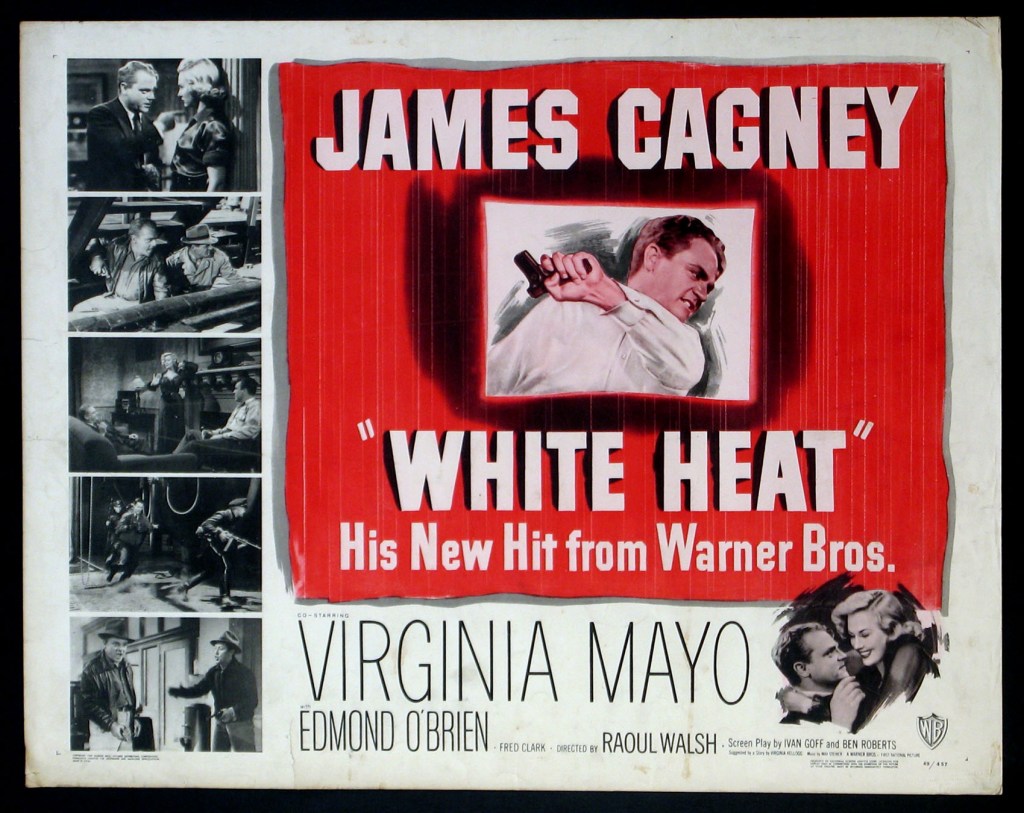
6. White Heat. director: Raoul Walsh
5. Adam’s Rib, director: George Cukor
4. Intruder in the Dust, director: Clarence Brown
3. Late Spring, director: Yasujirō Ozu
2. Stray Dog, director: Akira Kurosawa
1. The Third Man, director: Carol Reed
Against the backdrop of postwar Vienna, The Third Man is a marvel of grimly baroque atmosphere. Carol Reed employs canted camera angles, expressionistic cinematography (Robert Krasker won an Oscar for his lensing work) and, of course, Anton Karas’ ubiquitous zither music to transform Vienna into a dirty, night-shrouded netherworld. Joseph Cotten, Alida Valli and Trevor Howard all do justice to Graham Greene’s sharp screenplay, but Orson Welles leaves the most indelible impression as charming villain Harry Lime. His ferris-wheel monologue, which Welles wrote, is wit enshrined in celluloid immortality.
 Cutting to the Chase with Phil Bacharach