9/11. The Iraq War. Hurricane Katrina. It was a fascinating decade in life, to say the least, and movies reflected that.
2000:
10. The Cell, director: Tarsem Singh
9. American Psycho, director: Mary Harron
8. High Fidelity, director: Stephen Frears
7. Quills, director: Philip Kaufman
6. Gladiator, director: Ridley Scott
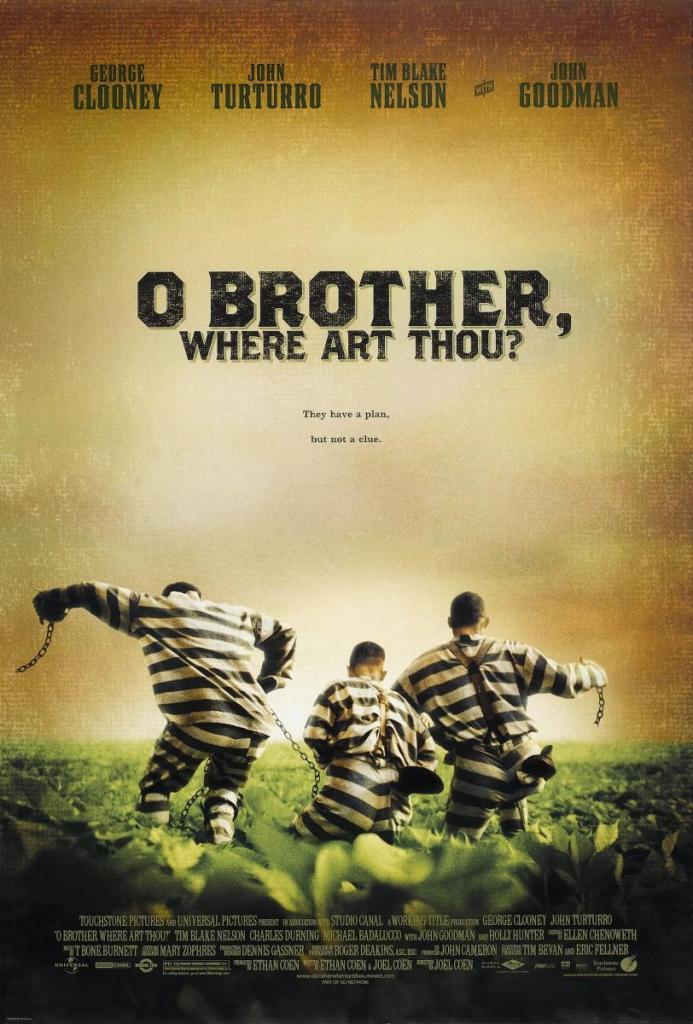
5. O Brother, Where Art Thou?, director: Joel Coen
4. You Can Count on Me, director: Kenneth Lonergan
3. Best in Show, director: Christopher Guest
2. Memento, director: Christopher Nolan
1. Almost Famous, director: Cameron Crowe
Cameron Crowe drew from his own youth as a wunderkind Rolling Stone writer for this warm and affecting coming-of-age tale. Like the writer-director himself, Almost Famous offers us a teenaged prodigy (Patrick Fugit as the Crowe stand-in) assigned by the magazine to profile an up-and-coming rock band. Philip Seymour Hoffman, Billy Crudup and and Frances McDormand are customarily excellent, but it is Kate Hudson who delivered a breakout performance as groupie-with-a-heart-of-gold Penny Lane. Alas, she never matched the promise of this flick. Infused with terrific music (you’ll never think of Elton John’s “Tiny Dancer” the same way again), the movie’s warmth and affection for its shaggy characters are infectious. “What other filmmaker is as devoted to the nuances of decency or as fascinated by the subtle and complicated ways people can be nice to one another?” mused A.O. Scott in The New York Times.
2001:
10. Shrek, director: Andrew Adamson & Vicky Jenson
9. The Piano Teacher, director: Michael Haneke
8. Black Hawk Down, director: Ridley Scott
7. The Others, director: Alejandro Amenába
6. Ghost World, director: Terry Zwigoff
5. Donnie Darko, director: Richard Kelly
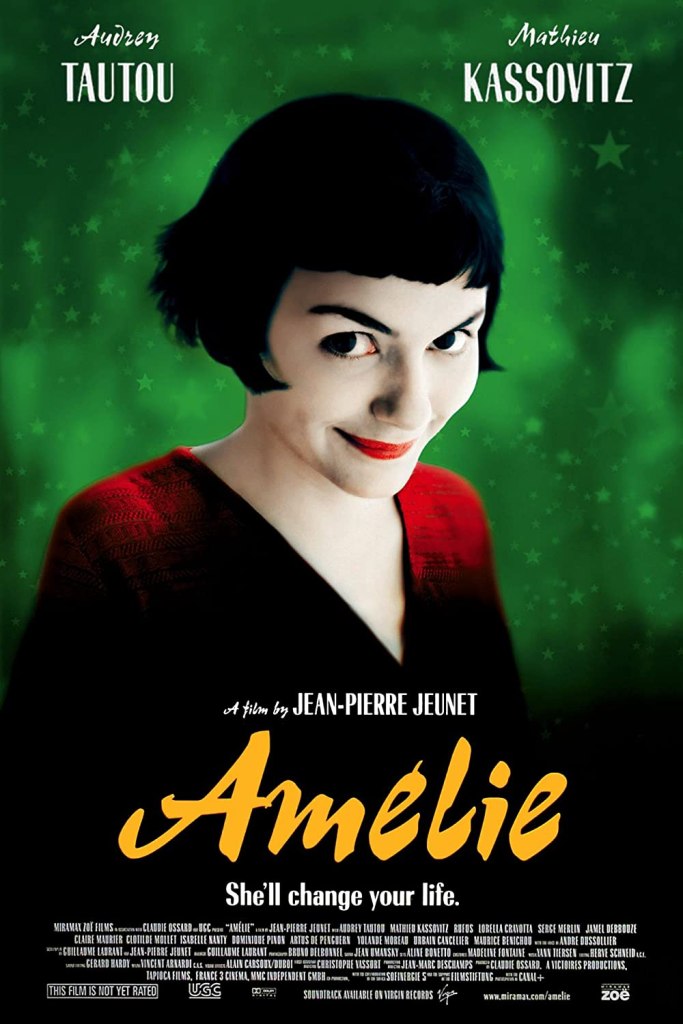
4. Amélie, director: Jean-Pierre Jeunet
3. Spirited Away, director: Hayao Miyazaki
2. The Royal Tenenbaums, director: Wes Anderson
1. Mulholland Drive, director: David Lynch
As anyone who has ever lived in the City of Angels knows, it is the stuff of both fantasy and nightmare. Los Angeles is a dream factory inhabited by beautiful people and palm trees, but one where menace can lurk just around the corner — even at a Winkie’s diner. Mullholland Drive embraces these schisms. Naomi Watts is pitch-perfect as Betty (the movie would be her breakout role), a fresh-faced, wannabe movie star literally just off the bus, with Laura Harring as a mysterious amnesiac who stumbles into Betty’s life. David Lynch lets the terrifying, erotic and campy reside in one gloriously vertiginous dreamscape. The New York Times‘ Stephen Holden likened the disorienting third act to “peering into the semidarkness from the front care of a runaway subway train tunneling furiously into the earth as if sucked toward some unknowable hell.” Come to think of it, that sounds like any number of Lynch works.
2002:
10. Adaptation., director: Spike Jonze
9. The 25th Hour, director: Spike Lee
8. Far from Heaven, director: Todd Haynes
7. Femme Fatale. director: Brian De Palma
6. Bowling for Columbine, director: Michael Moore
5. The Ring, director: Gore Verbinski
4. The Pianist, director: Roman Polanski
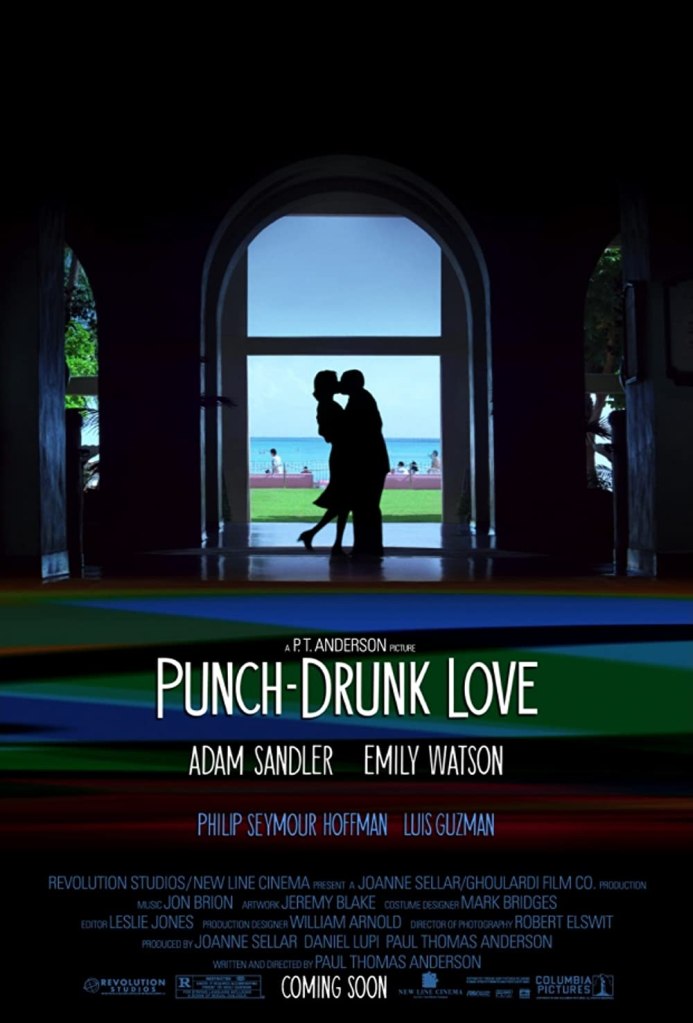
3. Punch-Drunk Love, director: Paul Thomas Anderson
2. About Schmidt, director: Alexander Payne
1. Minority Report, director: Steven Spielberg
For me, Minority Report is perfect sci-fi. From its nifty high concept (courtesy Philip K. Dick) to its tightly choreographed action sequences, Steven Spielberg keeps the narrative brisk and tight. The script by Scott Frank and Jon Cohen is eerily prescient about a society under near-constant surveillance. In a dystopian future, Tom Cruise plays John Anderson, a crime-fighter who apprehends murderers before they can kill, since premeditated homicides are foreseen by a trio of weirdo, waterlogged smarties called the Precogs. Things go awry when Anderson himself is accused of a future murder. Cruise is in typically good action form, with Colin Farrell, Samantha Morton and Tim Blake Nelson providing strong supporting performances. In Spielberg’s mind-boggling catalog of great films, Minority Report and 2005’s Munich are too often overlooked.
2003:
10. Shattered Glass, director: Billy Ray
9. Mystic River, director: Clint Eastwood
8. The Station Agent, director: Tom McCarthy
7. Elf, director: Jon Favreau
6. The Fog of War, director: Errol Morris
5. Capturing the Friedmans, director: Andrew Jarecki
4. The Lord of the Rings: The Return of the King, director: Peter Jackson
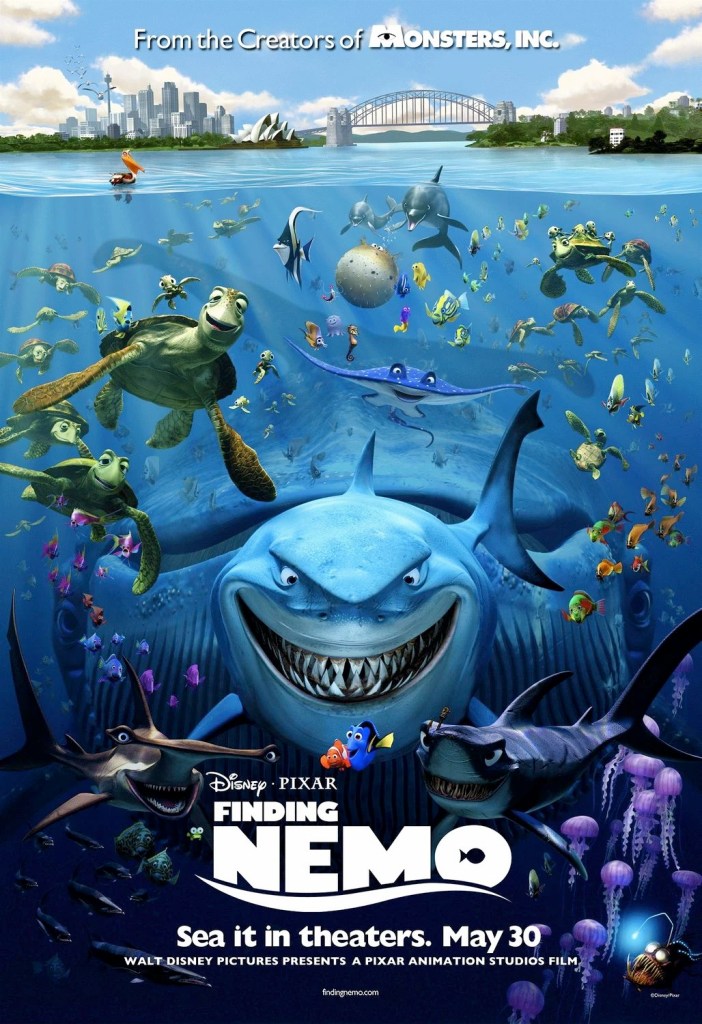
3. Finding Nemo, director: Andrew Stanton
2. Lost in Translation, director: Sofia Coppola
1. Oldboy, director: Park Chan-wook
Oldboy is a revenge picture juiced up to phantasmagorical levels. Choi Min-sik portrays a callow businessman who is kidnapped off the street, imprisoned in a ramshackle hotel room, and subjected to occasional torture before being unceremoniously dumped back into the real world after — get this — 15 years. Once back on the street, revelations abound. This Korean revenge-o-matic is glorious in its excessiveness. Oldboy is violent, occasionally grotesque and wickedly perverse, but Park Chan-wook wraps it in a gorgeous sheen that almost makes one forget this is essentially exploitation, albeit with ample imagination and a stunning visual sense. Roger Ebert fitting praised it as powerful “not because of what it depicts, but because of the depths of the human heart which it strips bare.”
2004:
10. Harry Potter and the Prisoner of Azkaban, director: Alfonso Cuarón
9. Sideways, director: Alexander Payne
8. Mysterious Skin, director: Gregg Araki
7. The Incredibles, director: Brad Bird
6. Metallica: Some Kind of Monster, director: Joe Berlinger & Bruce Sinofsky
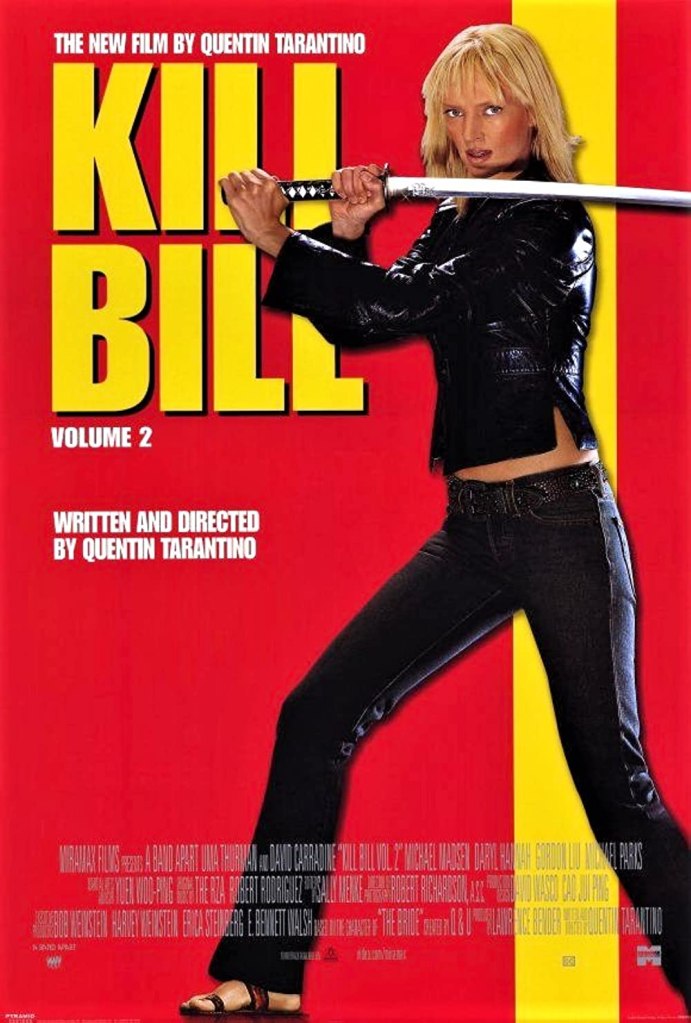
5. Kill Bill: Vol. 2, director: Quentin Tarantino
4. Maria Full of Grace, director: Joshua Marston
3. Before Sunset, director: Richard Linklater
2. I ♥ Huckabees, director: David O. Russell
1. Eternal Sunshine of the Spotless Mind, director: Michel Gondry
This dreamy, resolutely strange and sneakily philosophical love story from Michel Gondry and screenwriter extraordinaire Charlie Kaufman suggests that we humans are pretty defective in matters of the heart. And thank God for that … maybe. Jim Carey and Kate Winslet are ill-fated lovers who are literally erasing each other from their respective memories, an ingenious idea that Eternal Sunshine of the Spotless Mind wisely treats as if it were totally plausible. Will the mind-erasing operation cause brain damage?, Carey’s Joel Barish asks the doctor who will oversee the procedure. “Well, technically speaking, the operation is brain damage,” replies Tom Wilkinson’s doctor. Kirsten Dunst, Mark Ruffalo and Elijah Wood round out an excellent cast. Ultimately, I can’t think of another movie that so deftly captures the mysteries and interconnectedness of dream and memory. An all-time favorite of mine.
2005:
10. Batman Begins, director: Christopher Nolan
9. The Squid and the Whale, director: Noah Baumbach
8. Kiss Kiss Bang Bang, director: Shane Black
7. Murderball, director: Henry Alex Rubin & Dana Adam Shapiro
6. Caché, director: Michael Haneke
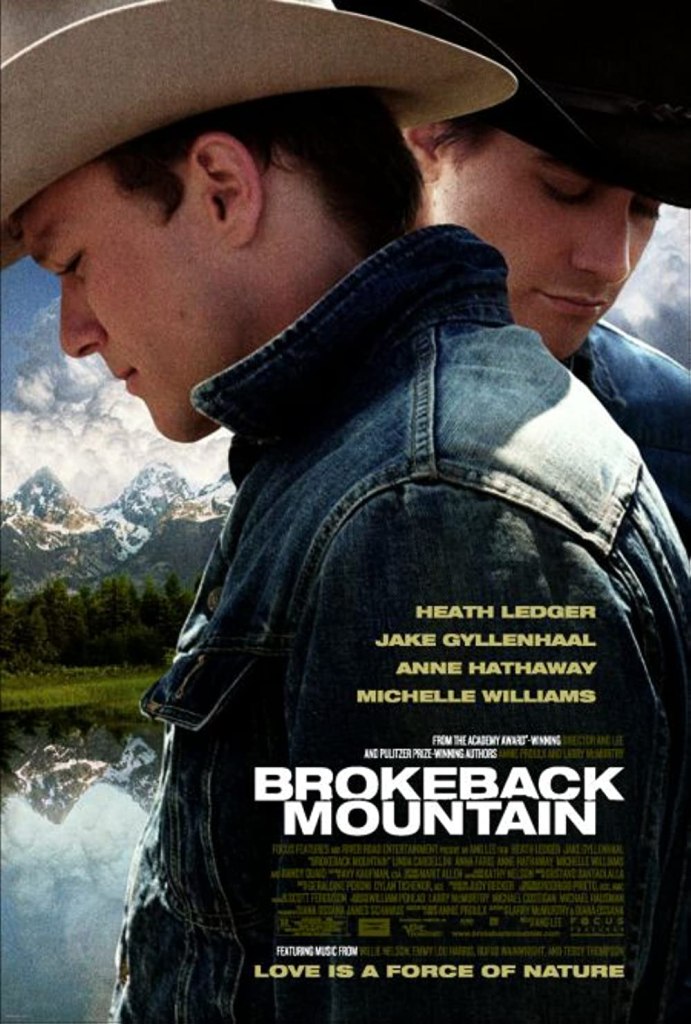
5. Brokeback Mountain, director: Ang Lee
4. V for Vendetta, director: James McTeigue
3. The 40 Year Old Virgin, director: Judd Apatow
2. Munich, director: Steven Spielberg
1. Capote, director: Bennett Miller
Capote is Exhibit A in making the case of why the late, great Philip Seymour Hoffman was arguably the finest actor of his generation. He won the Academy Award for his uncanny portrayal of In Cold Blood writer Truman Capote, but the performance transcends mere impersonation, although Hoffman gets that part – the author’s effete mannerisms and awkward, baby-like voice – uncannily right. Even better: Hoffman’s performance is only one gem in this absorbing story behind the story of the book that helped usher in a dynamic new style of journalism. Capote boasts one the most interesting portraits ever committed to celluloid of an author practicing his craft. Unlike most films about the writing life, Bennett Miller and screenwriter Dan Futterman capture the writer’s obsessions, self-absorption and, yes, creative genius.
2006:
10. Borat: Cultural Learnings of America for Make Benefit Glorious Nation of Kazakhstan, director: Larry Charles
9. 51 Birch Street, director: Doug Black
8. The Prestige, director: Christopher Nolan
7. Deliver Us from Evil, director: Amy J. Berg
6. The Good Shepherd, director: Robert De Niro
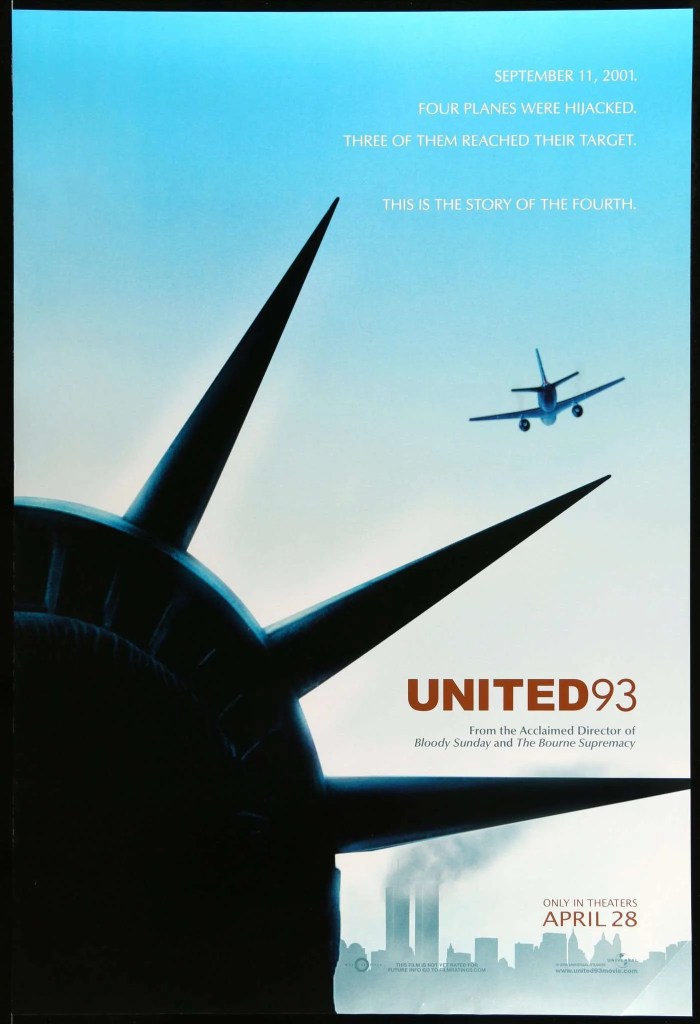
5. United 93, director: Paul Greengrass
4. Children of Men, director: Alfonso Cuarón
3. Stranger than Fiction, director: Marc Forster
2. Little Children, director: Todd Field
1. Pan’s Labyrinth, director: Guillermo del Toro
A frightening but magical dreamscape, Pan’s Labyrinth is ultimately a film about the encroachment of fascism. In other words, the theme is still pretty timely. At the center of the tale — more of a fable, really — is 11-year-old Ofelia (Ivana Baquero), whose widowed mother takes the girl to stay with an evil stepfather who has risen in the ranks of Franco’s military following the Spanish civil war. In this brutally oppressive reality, Ofelia retreats into a world of fauns, fairies, giant frogs and a particularly strange-looking Pale Man. The result is ambivalent fantasy, one as visually sumptuous as you would expect from Guillermo Del Toro. The filmmaker, wrote Roger Ebert, “responded strongly to the horror lurking under the surface of classic fairy tales and had no interest in making a children’s film, but instead a film that looked horror straight in the eye.”
2007:
10. The Visitor, director: Tom McCarthy
9. Before the Devil Knows You’re Dead, director: Sidney Lumet
8. The King of Kong: A Fistful of Quarters, director: Seth Gordon
7. The Lookout, director: Scott Frank
6. Michael Clayton, director: Tony Gilroy
5. No Country for Old Men, director: Joel Coen & Ethan Coen
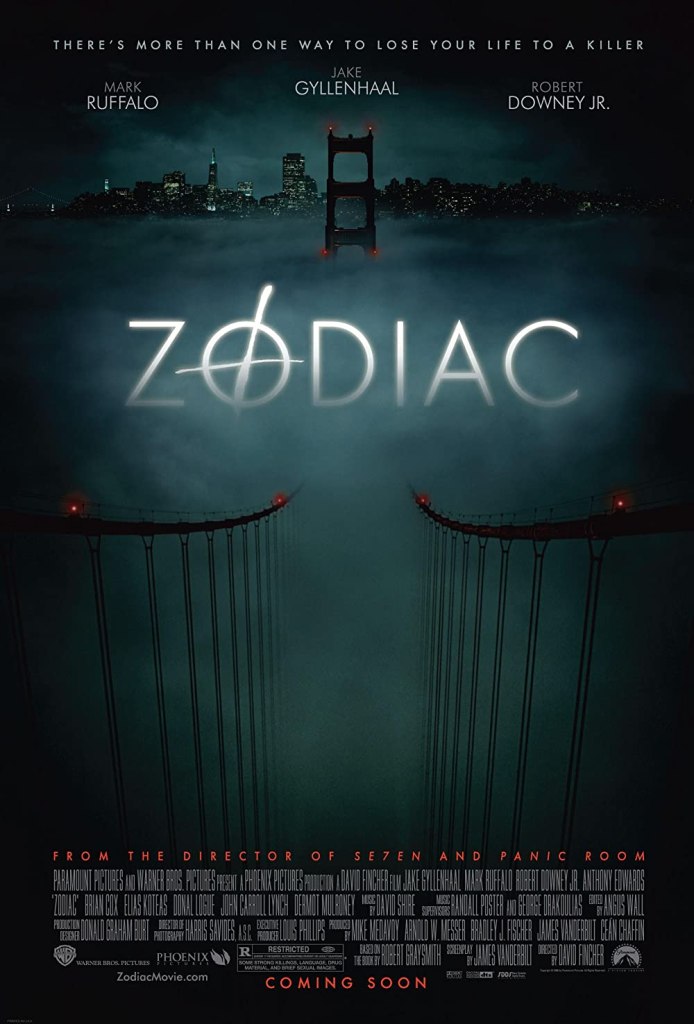
4. Zodiac, director: David Fincher
3. Grindhouse, director: Robert Rodriguez, Quentin Tarantino, Eli Roth, Edgar Wright & Rob Zombie
2. Ratatouille, director: Brad Bird
1. There Will Be Blood, director: Paul Thomas Anderson
As misanthropic oilman Daniel Plainview, Daniel Day-Lewis is close to spellbinding in a truly ferocious performance (he also manages a pretty uncanny vocal impersonation of the late John Huston). There Will Be Blood is loosely based on the Upton Sinclair novel Oil!, but nothing in Paul Thomas Anderson’s hardscrabble drama feels derivative. The picture is audacious, nearly operatic in its melodrama (like many a PTA work). Film scholar David Thomson called it “a study in lethal human ambition and its searching for power in a landscape that speaks not just to the enigma of frontier but all the old moral questions that hovered over biblical desert.” The movie has a lot on its mind. Like the oil derricks that make Plainview wealthy, There Will Be Blood digs deeper. The ugliness of Anderson’s worldview stems from the hunger of competition and the resentment it spawns. “Plainview doesn’t necessarily want to succeed; he wants the rest of society to crash and burn,” wrote Thomson.
2008:
10. The Hurt Locker, director: Kathryn Bigelow
9. Frozen River, director: Courtney Hunt
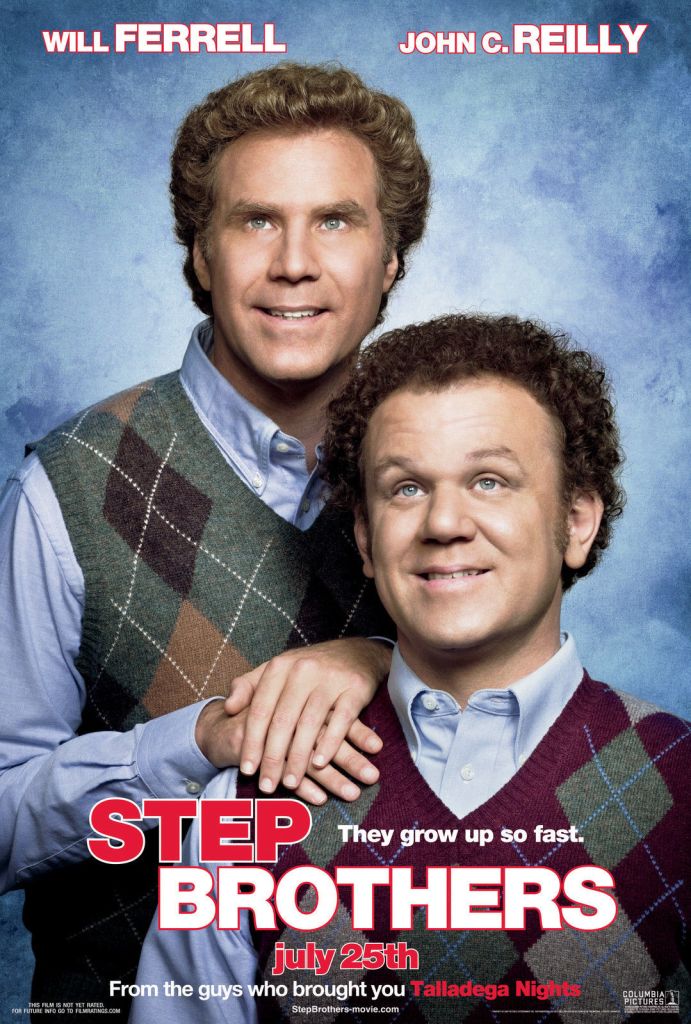
8. Step Brothers, director: Adam McKay
7. The Wrestler, director: Darren Aronofsky
6. In Bruges, director: Martin McDonough
5. Burn After Reading, director: Joel Coen & Ethan Coen
4. The Dark Knight, director: Christopher Nolan
3. Let the Right One In, director: Tomas Alfredson
2. Synecdoche, New York, director: Charlie Kaufman
1. WALL-E, director: Andrew Stanton
Set on a desolate Earth, nearly half of WALL-E is dialogue-free, save for some musical snippets from the bloated 1969 musical, Hello Dolly! We learn that an environmental catastrophe has forced the planetary occupants to hightail it outta there, leaving behind a literal world of garbage. Now nomads in space, humanity is morbidly obese as the result of too much technological convenience and not enough movement. That setup probably doesn’t sound like an extraordinarily life-affirming delight, but Andrew Stanton and his Pixar crew are wizards; they foretell human misery while injecting a sweet AI love story. “Part of the genius of ‘WALL-E‘ is the seamlessness of its tone — always entertaining, yet also polemic without being preachy,” wrote The Wall Street Journal‘s Joe Morgenstern. “Heedless consumption is its satiric target, a healed planet is the locus of its hope. But the healing can’t be achieved without bringing the consumption under control.”
2009:
10. Where the Wild Things Are, director: Spike Jonze
9. Star Trek, director: J.J. Abrams
8. Mother, director: Bong Joon-ho
7. Adventureland, director: Greg Mottola
6. A Prophet, director: Jacques Audiard
5. Up, director: Pete Docter
4. Coraline, director: Henry Selick
3. Inglorious Basterds, director: Quentin Tarantino
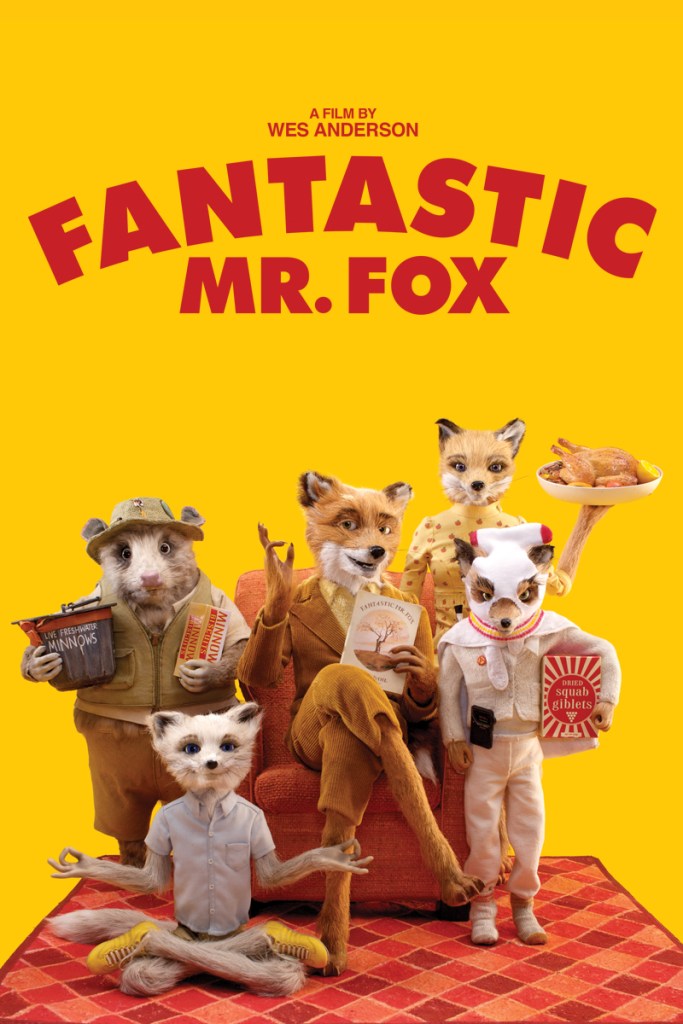
2. Fantastic Mr. Fox, director: Wes Anderson
1. A Serious Man, director: Joel Coen & Ethan Coen
“Receive with simplicity everything that happens to you.” These words, from 10th century Rabbi Rashi, appear toward the beginning of A Serious Man. Joel and Ethan Coens’ distinct take on the American Jewish male experience is bleak, cutting and very, very funny. It also might be the most personal picture from the filmmakers, as it zeroes in on a Jewish family in the brothers’ home state of Minnesota in the 1960s. Still, as Adam Cayman notes in The Coen Brothers, “the tone is not straightforwardly fond nor nostalgic — less a roman à clef than an act of knowing, detached anthropology.” Michael Stuhlbarg is perfect as the put-upon Larry Gopnik, drowning in an existential crisis and desperate for spiritual guidance.
 Cutting to the Chase with Phil Bacharach