The end of the silent era and the beginning of Hollywood’s Golden Age and the Production Code. Oh, and the Depression. And Hitler.
1930:

10. Morocco, director: Josef con Sternberg
9. King of Jazz, director: John Murray Anderson
8. Hell’s Angels, director: Howard Hughes
7. The Divorcee, director: Robert Z. Leonard
6. The Criminal Code, director: Howard Hawks
5. Animal Crackers, director: Victor Heerman
4. Murder!, director: Alfred Hitchcock
3. The Big House, director: George W. Hill
2. All Quiet on the Western Front, director: Lewis Milestone
1. The Blue Angel, director: Josef von Sternberg
Josef von Sternberg’s sadistic but mesmerizing melodrama stars German silent film great Emil Jennings as a pompous high school professor who is bewitched by — and eventually destroyed by — a sexy cabaret singer with a cruel streak. As the object of the prof’s desire, Marlene Dietrich’s Lola-Lola is the embodiment of sexual temptation, at least circa a debauched Europe of 1930. Germany’s first sound film, The Blue Angel catapulted Dietrich into international stardom.
1931:
10. The Public Enemy, director: William A. Wellman
9. Five Star Final, director: Mervyn LeRoy
8. Monkey Business, director: Norman Z. McLeod
7. Dracula, director: Tod Browning
6. À Nous la Liberté, director: René Clair
5. Night Nurse, director: William A. Wellman
4. Frankenstein, director: James Whale
3. Street Scene, director: King Vidor
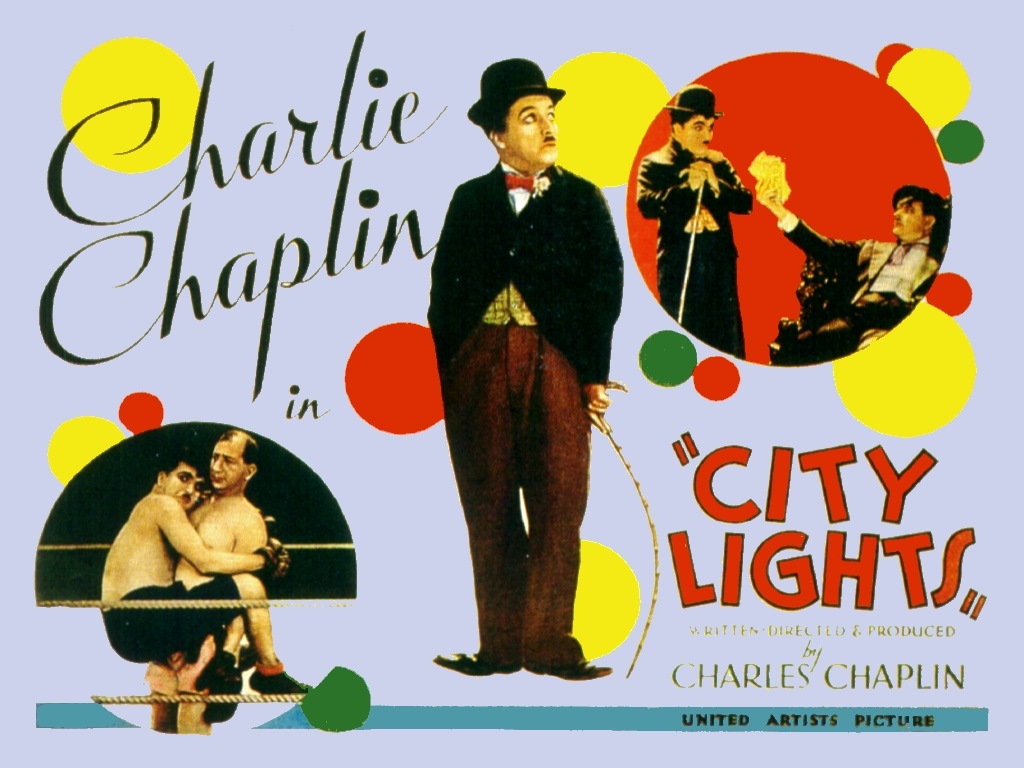
2. City Lights, director: Charlie Chaplin
1. M, director: Fritz Lang
Fritz Lang’s first sound picture in Germany, the highly stylized M showcases Peter Lorre as Hans Beckett, an awkward, diminutive serial killer preying on children — and yet the filmmaker manages to make Beckert’s fellow Germans nearly as menacing. Lang’s ability to wring sympathy for this evil creature is extraordinary. “M naturalizes the fantastic elements of Lang’s earlier films, turning myth into modern psychology and pulp into social documentary while deepening Lang’s pursuit of the bizarre and the irrational,” film critic Morris Dickstein wrote of M. “The murderer among us also becomes the murderer inside us, the gruesome power of instinct, obsession and aggression against which we have little real defense.”
1932:

10. A Farewell to Arms, director: Frank Borzage
9. Scarface, director: Howard Hawks
8. What Price Hollywood?, director: George Cukor
7. Three on a Match, director: Mervyn LeRoy
6. One Way Passage, director: Tay Garnett
5. The Old Dark House, director: James Whale
4. Freaks, director: Tod Browning
3. Shanghai Express, director: Josef von Sternberg
2. Trouble in Paradise, director: Ernst Lubitsch
1. Island of Lost Souls, director: Erle C. Kenton
Not many movies from the time period can match the fetishistic creepiness of Island of Lost Souls. OK, well, Freaks comes mighty close (which would make for a nifty double feature with it, for what it’s worth), but this adaptation of an H.G. Wells novel has the added zing of injecting intra-species coupling. The Pre-Code oddity boasts more hybrid animals than a day at Oklahoma’s Arbuckle Wilderness (if you know, you know). Charles Laughton is at his scenery-chewing best as the mad Doctor Moreau, with Bela Lugosi given the thankless role of Moreau’s cloddish sidekick. Erle C. Kenton orchestrates the extreme weirdness with so much conviction, the film was banned for decades.
1933:

10. Mystery of the Wax Museum, director: Michael Curtiz
9. Gold Diggers of 1933, director: Mervyn LeRoy & Busby Berkeley
8. Land Without Bread, director: Luis Buñuel
7. Baby Face, director: Alfred E. Green
6. Design for Living, director: Ernst Lubitsch
5. The Invisible Man, director: James Whale
4. International House, director: A Edward Sutherland
3. Duck Soup, director: Leo McCarey
2. 42nd Street, director: Lloyd Bacon & Busby Berkeley
1. King Kong, director: Merian C Cooper & Ernest B. Schoedsack
A pioneer for the technical wizardry that movies would eventually become, King Kong is hammer and tongs entertainment of the first order. The primitive stop-motion animation is irresistible, as is Fay Wray as the blonde beauty whom the big ape whisks away for an impulsive date atop the Empire State Building. Roger Ebert nicely articulated how this is more than a monster flick: “It is also a curiously touching fable in which the beast is not seen as a monster of destruction but as a creature that in its own way wants to do the right thing.” I’ve seen King Kong probably 40 times over the years, and could see it 40 more.
1934:

10. A Story of Floating Weeds, director: Yasujirō Ozu
9. Tarzan and His Mate, director: Cedric Gibbons
8. Cleopatra, director: Cecil B. DeMille
7. It’s a Gift, director: Norman Z. McLeod
6. The Scarlet Express, director: Josef von Sternberg
5. Imitation of Life, director: John M. Stahl
4. The Scarlet Pimpernel, director: Harold Young
3. The Thin Man, director: W.S. VanDyke
2. L’Atalante, director: Jean Vigo
1. Twentieth Century, director: Howard Hawks
An alchemic collaboration between Howard Hawks and the writing team of Ben Hecht and Charles MacArthur, Twentieth Century gets its chugging rhythm aboard the once-famed luxury train that ran from Chicago to New York. Hawks wisely lobbied hard for Columbia Pictures to give his second cousin, Carole Lombard, a chance to try her hand at being funny. The gambit paid off beautifully for arguably Hollywood’s first screwball comedy, but Lombard finds an equally hilarious foil with the great John Barrymore as an arrogant theatrical producer.
1935:
10. Alice Adams, director: George Stevens
9. Ruggles of Red Gap, director: Leo McCarey
8. Mutiny on the Bounty, director: Frank Lloyd
7. Mad Love, director: Karl Freund
6. The Devil Is a Woman, director: Josef von Sternberg
5. A Night at the Opera, director: Sam Wood
4. Les Misérables, director: Richard Boleslawski
3. Top Hat, director: Mark Sandrich
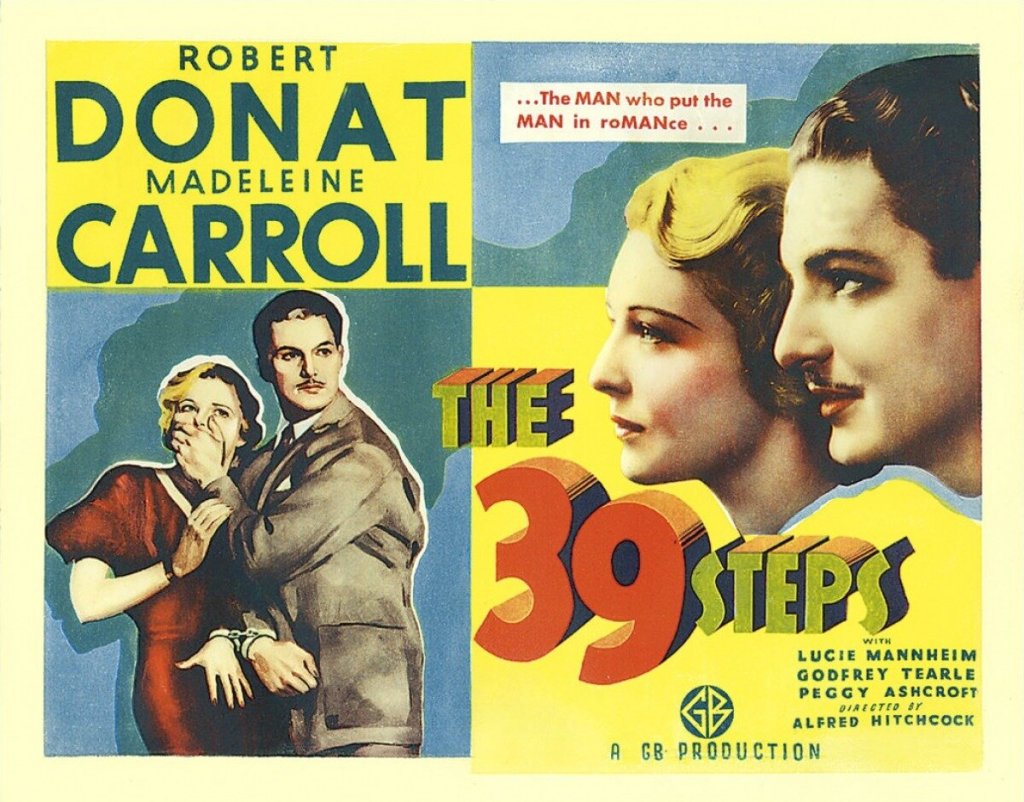
2. The 39 Steps, director: Alfred Hitchcock
1. Bride of Frankenstein, director: James Whale
Bride of Frankenstein finds director James Whale improving on his 1931 Frankenstein, indulging a cheeky (and surprising modern) sense of humor. Boris Karloff pulls off the nifty trick of making the Monster both fearsome and sympathetic, but not even ol’ flattop can match Dr. Pretorius, played by Ernest Thesiger, for sheer weirdness. Elsa Lanchester portrays both Frankenstein author Mary Shelley and the titular character who plays too hard to get for her own good. “Seen today,” wrote Roger Ebert, “Whale’s masterpiece is more surprising than when it was made, because today’s audiences are more alert to its buried hints of homosexuality, necrophilia, and sacrilege.”
1936:

10. The Petrified Forest, director: Archie Mayo
9. Sabotage, director: Alfred Hitchcock
8. Things to Come, director: William Cameron Menzies
7. The Prisoner of Shark Island, director: John Ford
6. Fury, director: Fritz Lang
5. Dodsworth, director: William Wyler
4. Modern Times, director: Charlie Chaplin
3. Theodora Goes Wild, director: Richard Boleslawski
2. San Francisco, director: W.S. VanDyke
1. My Man Godfrey, director: Gregory La Cava
An eccentric family of richies amuse themselves by bringing home a hobo from the city dump to turn into their butler. Sound like a borderline tasteless premise for a comedy? One might think so, but Gregory La Cava strikes a perfect tone. Moreover, William Powell and Carole Lombard are at their most sparkling, and that’s saying something. “We are dealing with one of the most amazing screwball comedies ever made,” wrote film historian David Thomson, “in which the poor behave decently and quietly and the rich are demented monkeys.” That was surely music to the ears of Depression audiences who couldn’t get enough of de-pantsing the affluent.
1937:
10. Easy Living, director: Mitchell Liesen
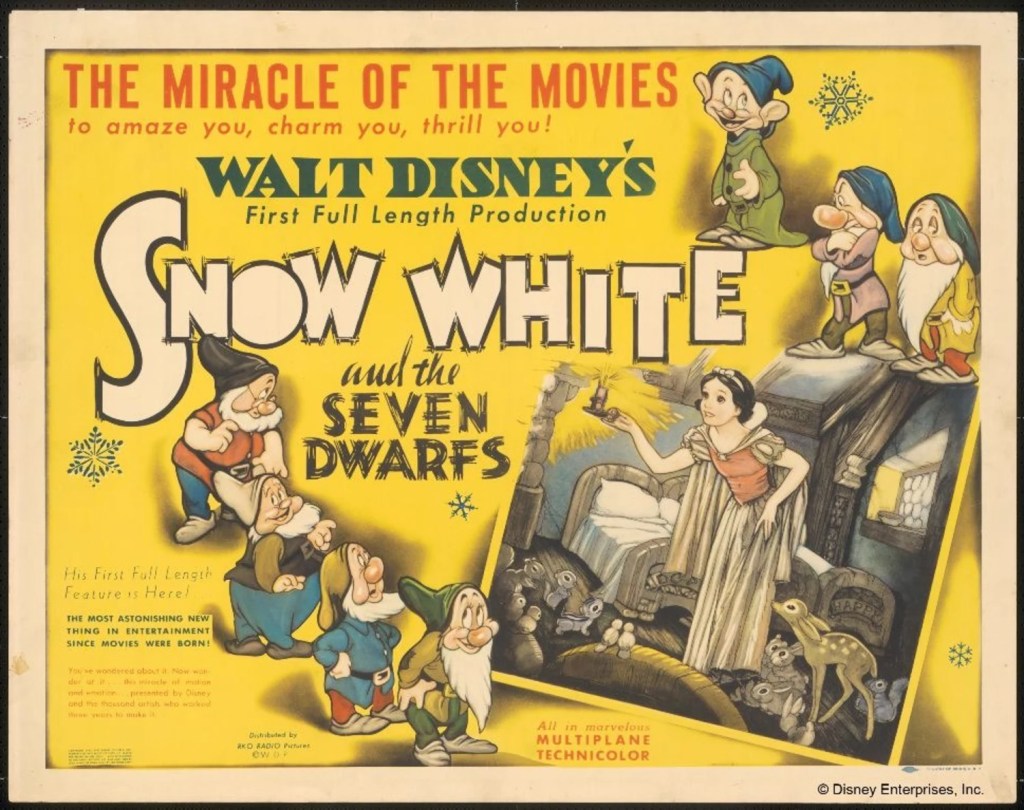
9. Snow White and the Seven Dwarfs, director: David Hand
8. The Prisoner of Zenda, director: John Cromwell
7. A Damsel in Distress, director: George Stevens
6. Way Out West, director: James W. Horne
5. Night Must Fall, director: Richard Thorpe
4. A Star Is Born, director: William A. Wellman
3. Make Way for Tomorrow, director: Leo McCarey
2. The Awful Truth, director: Leo McCarey
1. Grand Illusion, director: Jean Renoir
Jean Renoir’s first bona fide masterpiece chronicles French prisoners of war in a German POW camp during the Great War. Erich von Stroheim, no slouch as a director himself, portrays the German aristocrat who runs the prison camp and forms a bond with Pierre Fresnay’s French aristocrat stuck leading soldiers he doesn’t particularly like. The film is about a lot of things — class, language, friendship — but most of all, The Grand Illusion is about the insanity of war. Not that it made a difference. “In 1937, I was told I had made the greatest antiwar picture,” mused Renoir. “Two years later, war broke out.”
1938:

10. Port of Shadows, director: Marcel Carné
9. The Dawn Patrol, director: Edmund Goulding
8. Three Comrades, director: Frank Borzage
7. Carefree, director: Mark Sandrich
6. Jezebel, director: William Wyler
5. The Lady Vanishes, director: Alfred Hitchcock
4. The Adventures of Robin Hood, director: Michael Curtiz
3. La Bête Humaine, director: Jean Renoir
2. Pygmalion, director: Leslie Howard & Anthony Asquith
1. Bringing Up Baby, director: Howard Hawks
Howard Hawks didn’t invent the screwball comedy., but no one did it better (OK, maybe Lubitsch). Katherine Hepburn is the impetuous, delightfully wacky Susan Vance, with a very game and pratfall-happy Cary Grant as the absent-minded paleontologist whom Hepburn terrorizes/seduces. All that, and a leopard named Baby. The leads have tremendous chemistry (Hepburn is particularly terrific). Hawks uses his rapid-fire pace and overlapping dialogue to tremendous effect. The director remade Bringing Up Baby decades later as the lesser Man’s Favorite Sport, while Peter Bogdanovich had better luck replicating it in 1972 as What’s Up, Doc?
1939:

10. Young Mr. Lincoln, director: John Ford
9. Mr. Smith Goes to Washington, director: Frank Capra
8. Only Angels Have Wings, director: Howard Hawks
7. The Hunchback of Notre Dame, director: William Dieterle
6. Midnight, director: Mitchell Leisen
5. Destry Rides Again, director: George Marshall
4. The Women, director: George Cukor
3. Stagecoach, director: John Ford
2. The Wizard of Oz, director: Victor Fleming
1. Rules of the Game, director: Jean Renoir
“The awful thing about life is this: everyone has his reasons.” That line from The Rules of the Game deftly sums up Jean Renoir’s brilliant, caustic comedy of manners. The loosely structure plot concerns a host of upper-class French and their servants congregating at a country château for a weekend of rabbit hunts, a masked ball and romantic trysts. Buoyed by Renoir’s perceptive use of deep-focus cinematography and long takes, the framework provides plenty of room to explore how people navigate social norms. The ensemble cast, which includes the director, is masterful. But the movie, released when Europe was on the cusp of war, was a critical and commercial bomb. The French government even censored Renoir’s magnum opus for being demoralizing, but successive generations have rightly celebrated it as one of cinema’s all-time greats.
 Cutting to the Chase with Phil Bacharach