This week we commemorate the 95th anniversary of that fateful day seven members of the George “Bugs” Moran gang were mowed down, deep-dish Chicago style, by four of Al Capone’s Tommy gun-wielding henchmen.
Or to put it another way, this Wednesday marks Valentine’s Day. As such, it seems as appropriate a time as any to share with you my favorite love stories in cinema.
Admittedly these rankings are arbitrary and would likely be different on another day. For what it’s worth, I am not evaluating these movies by my overall love of them, but rather how I connect to them on the basis of their respective love stories. Got it?
Oh, and just because, here are honorable mentions that didn’t make my top 25 but easily could have on a different day: Amélie, Brief Encounter, Call Me by Your Name, If Beale Street Could Talk, In the Mood for Love, Moonlight, Moonstruck, Out of Sight, Past Lives, Return to Me, Roman Holiday and The Way We Were.
25. The Lunch Box (2013)

I previously wrote about this charming Hindi-language romantic comedy here.
24. WALL-E (2008)
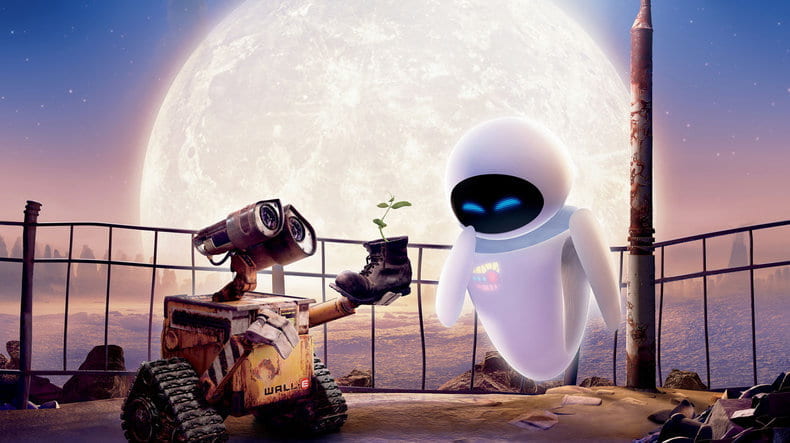
Robots have needs, too, y’know.
23. Petulia (1968)
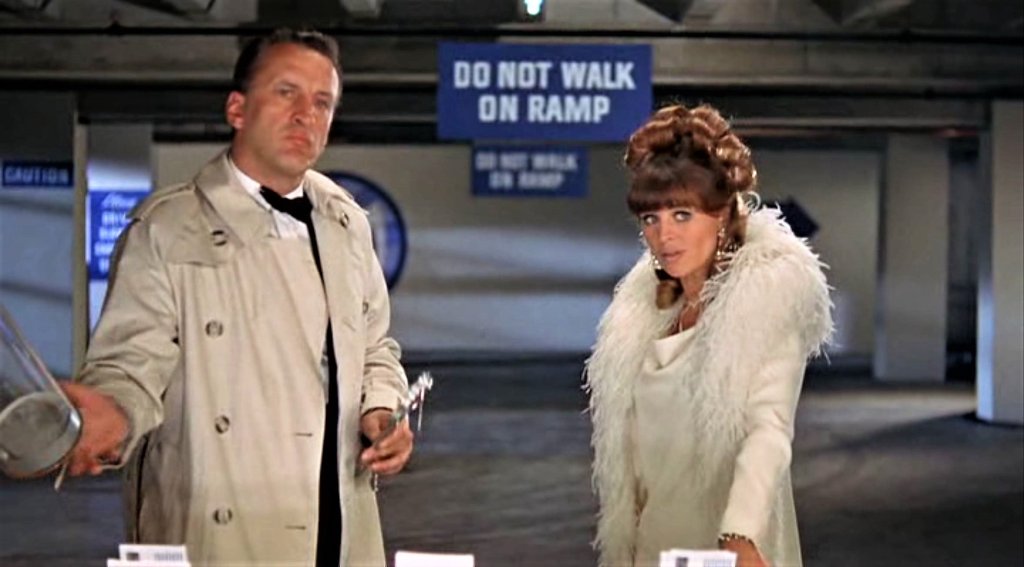
Petulia’s tempestuous affair between George C. Scott’s divorced surgeon and Julie Christie as the titular kook maybe only barely qualifies as a love story but, hey, this is my list and I’ll do what I like. Director Richard Lester’s art film has far more on its LSD-addled mind than old-fashioned movie romance, but the luminous Christie makes for a captivating early prototype of the manic pixie dream girl, and Nicolas Roeg’s splashy cinematography captures 1960s’ San Francisco at its most seductively groovy.
22. (500) Days of Summer (2009)
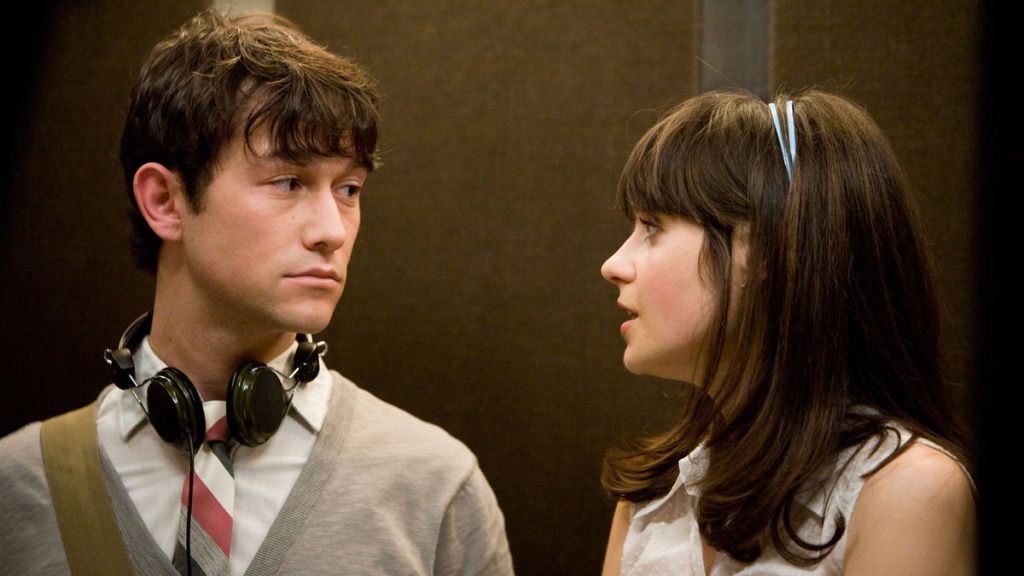
You’ve got to give it up for a romcom as cheerfully impish as (500) Days of Summer and the zeal with which director Marc Webb both embraces and undermines the tropes of the genre. Joseph Gordon-Levitt plays an incurable romantic who falls hard for Zooey Deschanel – perhaps the quintessential manic pixie dream girl – as Summer Finn, another employee in the greeting card company where they both work. A splintered narrative of shared moments and misread signals underscores the notion that a sizable chunk of love relies on self-delusion and unrealistic expectations. Somehow (500) Days of Summer makes that suggestion without spiraling into despair. It’s a neat trick of tone, one reflected in The Smiths music prominently featured throughout the soundtrack.
21. Ghost (1990)
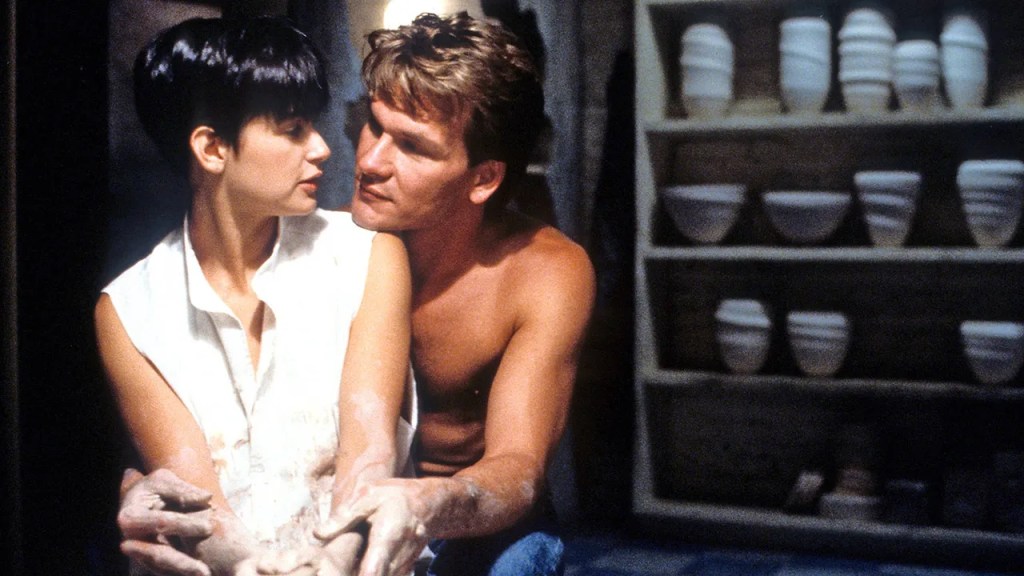
Ghosts can’t help but haunt. After all, it’s what they do – it’s in their blood ectoplasm (forgive me) – and few stories drip with romance more than that of a lovesick ghost trapped between planes of existence because of unresolved business with an ex-squeeze. Demi Moore and Patrick Swayze’s pottery-throwing throwdown remains one of moviedom’s most iconic sex scenes, and always ripe for parody, but it doesn’t overshadow the heart-thumping romanticism at the core of director Jerry Zucker’s Ghost.
20. It’s a Wonderful Life (1946)
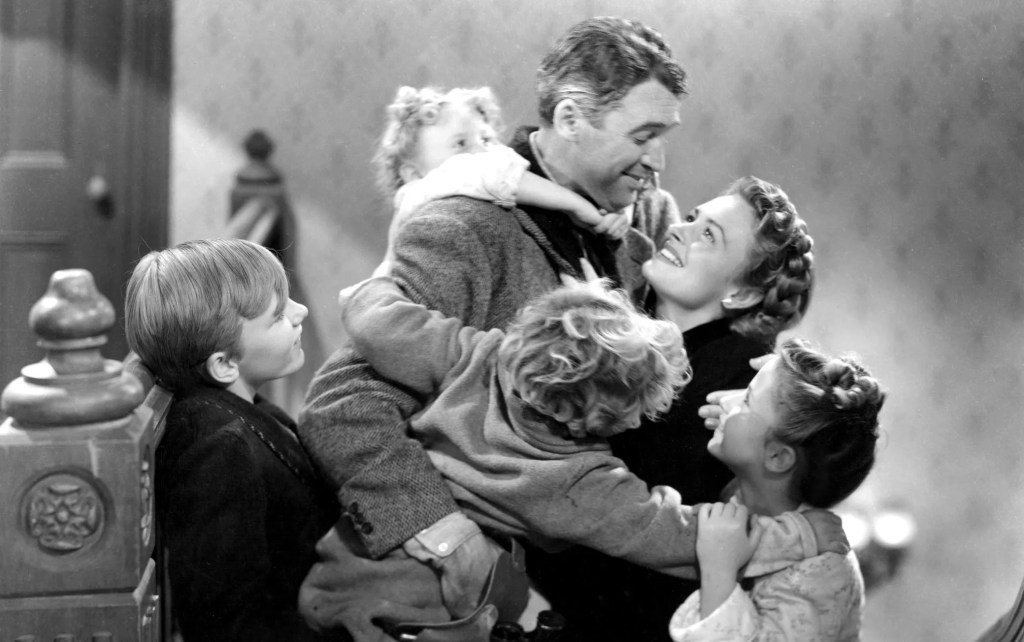
Frank Capra’s post-war masterpiece is such a Christmastime staple, it is easy to overlook the real subversiveness of this tearjerker. Not only does it culminate with the potential suicide of protagonist George Bailey (James Stewart), but our hero is allowed to lament, “Why’d we have all these kids?” The sour edge of It’s a Wonderful Life, however, simply makes its sweetness all the more delicious. Stewart and Donna Reed generate real chemistry and a fair amount of (chaste) passion. No wonder Reed’s Mary finds George so irresistible. Bedford Falls’ other most eligible bachelor, Sam Wainwright, never stood a chance. Hee haw, indeed.
19. Sweet Land (2005)

I discovered this little-known gem back when I was writing for DVD Talk in the 2000s and reviewing whatever obscure disc they mailed my way. Sweet Land was the rarely received treasure. Lyrical and lovingly crafted, this bittersweet love story follows a Norwegian mail-order bride (Elizabeth Reaser) brought to America by a Minnesota farmer (Tim Guinee) circa the 1920s. The only other person I know who has also seen Sweet Land is a friend who had the good fortune of taking a film class at Macalester College from its writer-director, Ali Selim, who worked on the film intermittently over 15 years. Sweet Land deserves much, much better.
18. Annie Hall (1977)
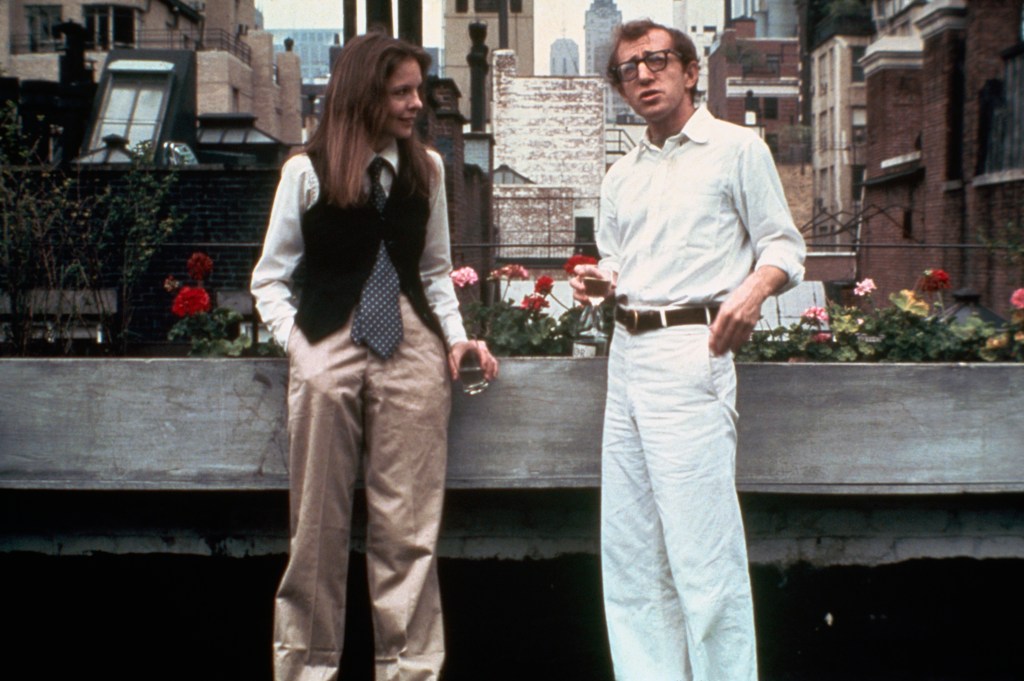
The relationship at the center of this Best Picture Oscar winner isn’t particularly unique, but the telling of it certainly is. Boy meets girl – or at least nebbishy New Yorker meets neurotic Midwesterner – then loses girl. Complications ensue. Breakups, reconciliations, etc. Writer-director Woody Allen and co-writer Marshall Brickman construct a meta, nonlinear delight of flashbacks and fantasies that not only skirt the fourth wall, but demolish it. As Alvy Singer, Allen routinely addresses the audience to comment on the proceedings, whether it’s a Freudian slip from the titular Annie Hall, in a superb performance by Diane Keaton, or enduring the pretentiousness of a guy standing in line at a movie theater. Annie Hall also boasts one of Allen’s best-ever ensembles, including great supporting work from Tony Roberts, Janet Margolin, Carol Kane, Shelley Duvall and an especially memorable Christopher Walken. Blink and you’ll miss Jeff Goldblum.
17. Amour (2012)
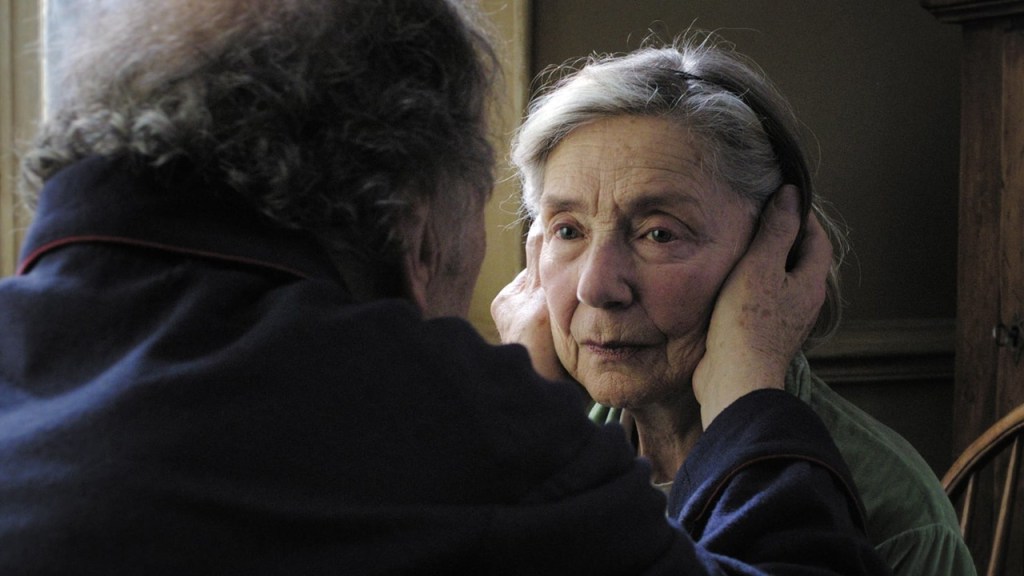
It’s not a movie I will probably ever feel the need to revisit but, then again, this wrenching French-language drama is already forever etched in my consciousness. Filmmaker-provocateur Michael Haneke’s story of an elderly Parisian couple (French acting greats Jean-Louis Trintignant and Emmanuelle Riva) navigating illness and old age is a devastating portrait of love at its most selfless. “There is a great deal that’s difficult to watch here, the indignities of a debilitating illness included, and the equally harsh pain of witnessing a great love, a longtime companion, slowly fade away,” wrote New York Times’ film critic Manohla Dargis. “But Amour, despite its agonizing subject, holds you willingly throughout.”
16. Let the Right One In (2008)

All scrawny, self-loathing preteen boys should be so lucky as to have a pretty vampire for an overly protective girlfriend. This Swedish-language horror export from director Tomas Alfredson takes youthful alienation to exhilarating new heights of weirdness. Two years later, American director Matt Reeves served up a wholly respectable Hollywood version with Let Me In, but that latter work lacks the original’s discomfiting atmospherics.
15. Brokeback Mountain (2005)
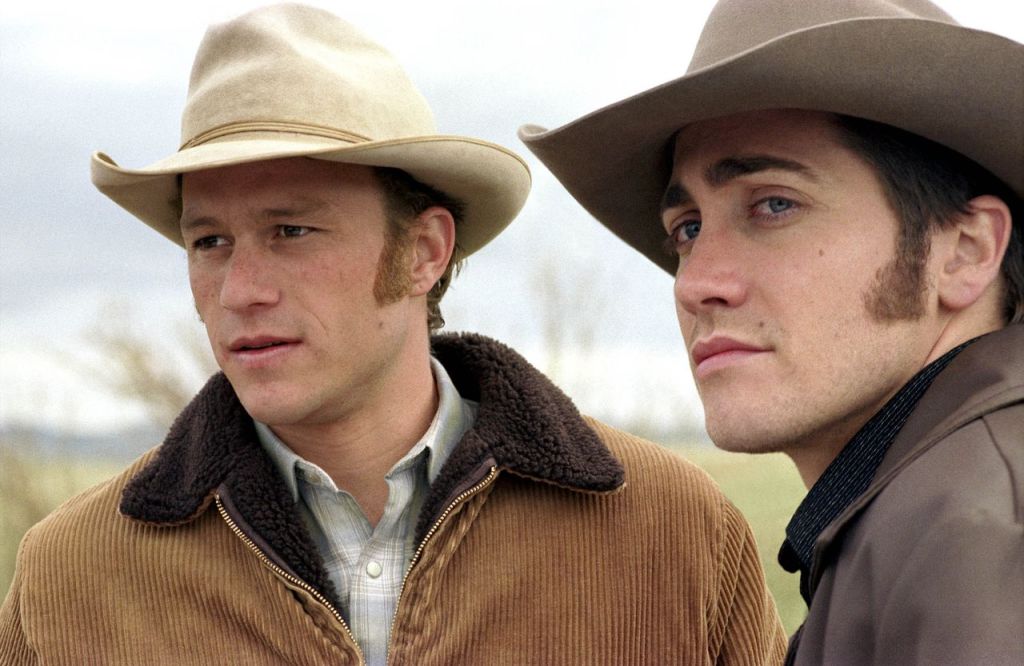
Director Ang Lee’s adaptation of an Annie Proulx short story made Hollywood history, but Brokeback Mountain also happens to be a deeply affecting, tragic tale even without its seismic impact on queer cinema. Jake Gyllenhaal is Jack and Heath Ledger is Ennis, two hardworking ranch-hands who first hook up on a cold Wyoming night in 1963. While they carve out ostensibly heterosexual lives by marrying their respective girlfriends (Anne Hathaway and Michelle Williams), the men continue to pine for each other and pursue a clandestine affair amid the homophobia of their time. The movie’s four principals give magnificent performances and Lee’s direction is sublime. “Brokeback Mountain is ultimately not about sex (there is very little of it in the film) but about love: love stumbled into, love thwarted, love held sorrowfully in the heart,” critic Stephen Holden wrote in The New York Times. Others were less enthralled, turning the film into fodder for America’s seemingly never-ending culture wars. In one of the Academy Awards’ more boneheaded decisions, the movie lost out to Crash for Best Picture that year.
14. La La Land (2016)
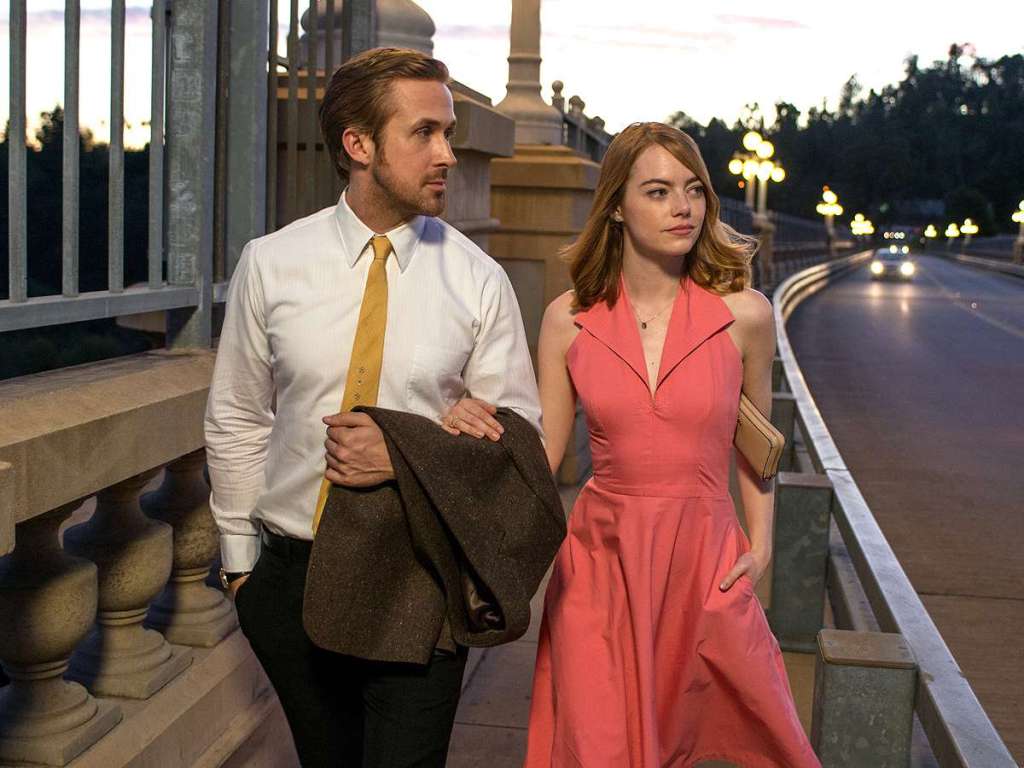
Damien Chazelle’s candy-colored retro musical is audacious, lush, playful and head over heels in love with the magic of movies (traits also applicable to Chazelle’s unfairly maligned 2022 masterwork, Babylon). Thanks to the overflowing charisma of leads Emma Stone and Ryan Gosling, La La Land also happens to be one helluva compelling love story. But as any incurable romantic knows, nothing brings on the tears like stories of love lost, and La La Land – spoiler alert – packs a heartbreaking wallop in its unforgettable ending montage. I’m not crying, you’re crying!
13. A Matter of Life and Death (1946)
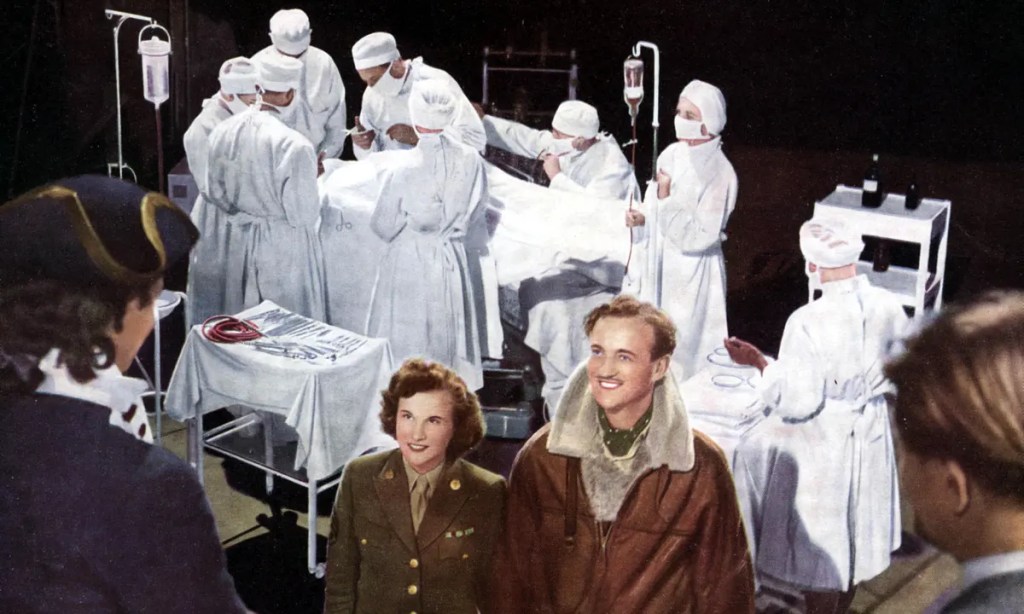
In the early 1980s, a film studies professor at the University of Central Oklahoma (then Central State University), the late John Pickard, periodically screened classic pictures at a local museum. It was there I had the opportunity to see this Michael Powell-Emeric Pressburge fantasia on a big screen like it was meant to be. Set during World War II, the picture stars David Niven as a Royal Air Force pilot plummeting to a certain fiery death when he quickly bonds with a female American radio operator (Kim Hunter) in what presumably will be his final moments on this mortal coil. Then the airman goes to Heaven, where cinematographer Jack Cardiff shifts from rich Technicolor to austere black-and-white. In a celestial court of law, the airman makes his case to stay alive. In the subgenre of people-having-to-defend-themselves-in-the-afterlife, A Matter of Life and Death edges out 1941’s Here Comes Mr. Jordan, its fine 1978 remake Heaven Can Wait, and Albert Brooks’ 1991 Defending Your Life. And that is pretty heavenly company to be in.
12. Punch-Drunk Love (2002)
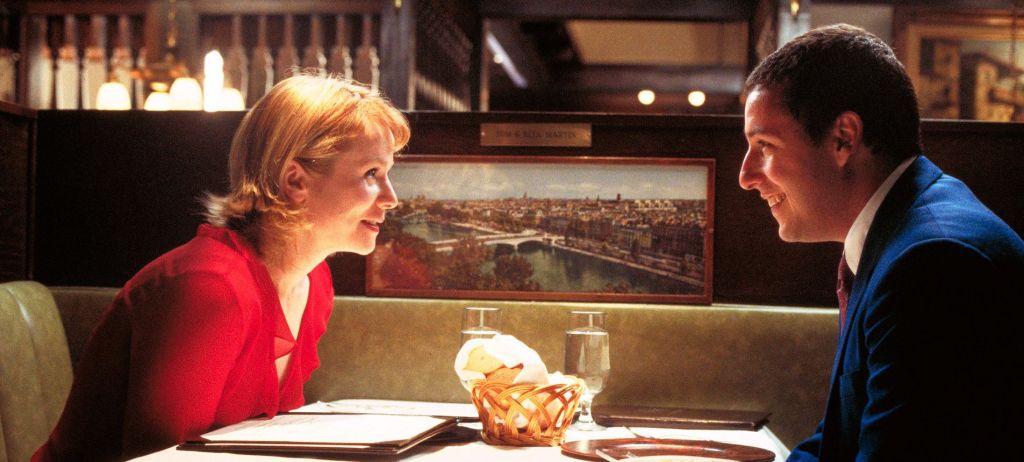
Adam Sandler brings his simmering mix of stilted maturity and barely repressed rage to the role of a lonely small businessman who strikes up an unlikely romance with Emma Watson as one of his sisters’ co-workers. Buoyed by Jon Brion’s enchanting score and the visual invention of writer-director Paul Thomas Anderson, Punch-Drunk Love is as delightfully strange and inexplicable as a piano falling from the heavens.
11. Her (2013)

Hopefully this offering from writer-director Spike Jonze doesn’t prove to be as eerily prescient as I suspect it will be. Set in an unspecified near-future, Her stars Joaquin Phoenix as a lonely ghost writer who slowly falls in love with his computer’s new operations system (marvelously voiced by Scarlett Johansson). Potent ideas swirl around this smart comedy. What is the role of artificial intelligence? What denotes a healthy relationship? Is intimacy strengthened or diminished by technology? What is love? Why does everyone in the future dress funny?
10. Carol (2015)

A brief scene in Carol encapsulates what for me is its dazzling allure. The title character (Cate Blanchett) and her lover-to-be (Rooney Mara) are leaving the city for the wintry charm of 1950s-era New England. Their car conversation is inaudible, but we catch a fleeting succession of images – a slender hand on a steering wheel, sunlight streaming through a windshield – that mimic the intoxication of a budding romance. Director Todd Haynes’ tale of forbidden love set in the repressed but oh-so-stylish 1950s, Carol is awash in the meticulous period detail that characterized his Far From Heaven in 2002. Blanchett is entrancing as the title character, but Mara is every bit her equal as a department store clerk who falls under her spell.
9. Lost in Translation (2003)
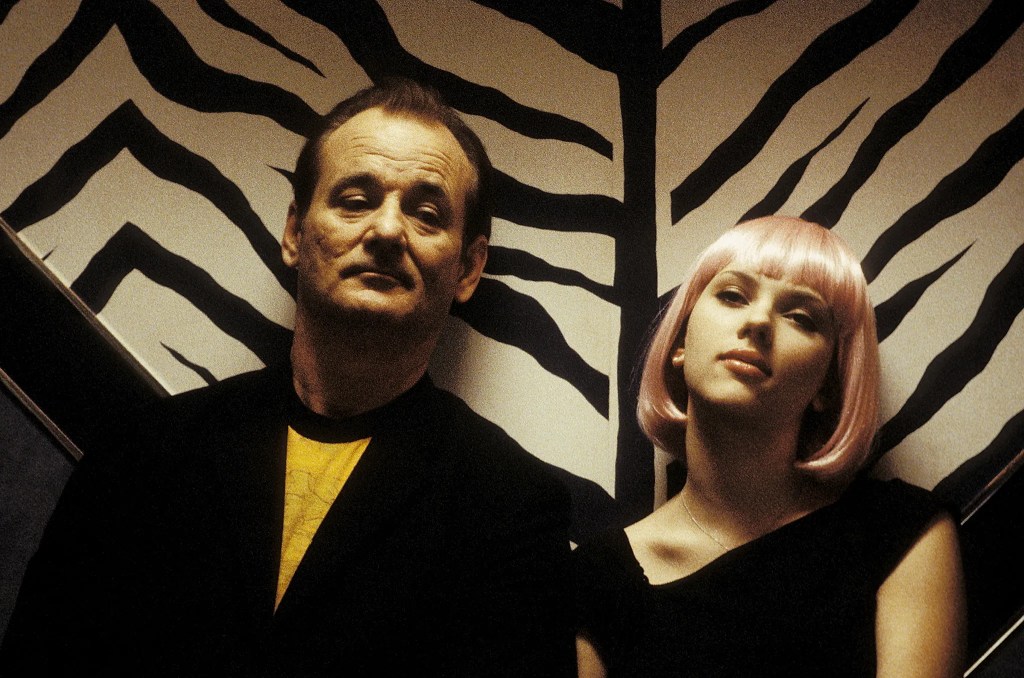
Sofia Coppola’s sophomore effort explores a chance encounter in a mammoth Tokyo hotel. Scarlett Johansson plays Charlotte, a bored young woman on a disappointing honeymoon, who meets a cynical, world-weary and aging movie star named Bob Harris (Bill Murray in vintage Bill Murray form) in town to shoot a whiskey commercial. Writing in The Ringer, Adam Layman opines that “what cuts like a double-edged sword is the feeling that Bob and Charlotte are meeting at exactly the wrong time as potential lovers and exactly the right time as soulmates.” Coppola deftly creates a woozy, jet-lagged vibe that gives the film a slightly dreamlike quality. And like most dreams, Lost in Translation can be tantalizingly opaque, as evidenced by a justly famous scene where Bob whispers something in Charlotte’s ear. What does he say? Sofia Coppola captures the mystery of humans making a connection.
8. Your Name. (2016)

I only recently caught up with this blockbuster anime and … wow. A teenaged boy living in Tokyo and a teenaged girl living in rural Japan change bodies intermittently (the movie wisely never explains why) but revert back to their actual selves when asleep. The gender-bending premise doesn’t take things to where it would if, say, Your Name was made in 2024, but writer-director Shinkai Makoto still gives viewers plenty to think about. Still, the metaphysical trappings don’t overwhelm the central romance, and Your Name gives us a big, honking love unfettered by constraints of time and space. No wonder Makoto’s film quickly became Japan’s second highest-grossing of all time. Oh, and the animation is truly ravishing.
7. When Harry Met Sally (1989)
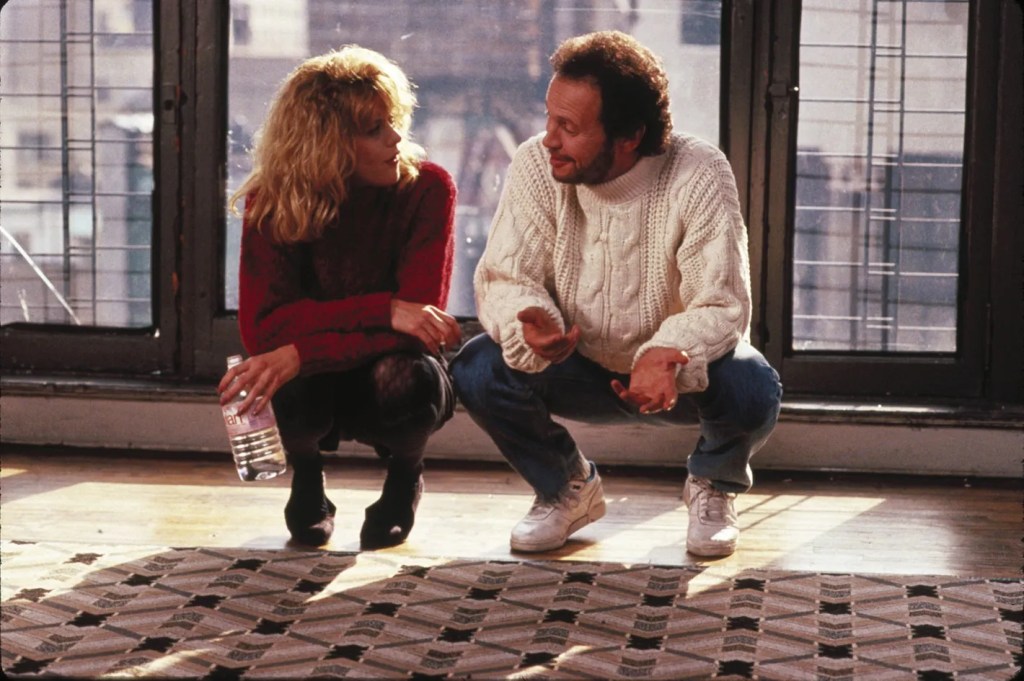
While When Harry Met Sally was a commercial and critical success during its theatrical run, there was a general consensus from the snooty that director Rob Reiner and screenwriter Nora Ephron were just trying to ape Woody Allen’s Annie Hall. Well, the successive years have not been too kind to the Woodman, but this funny, smart romcom continues to sparkle. Billy Crystal and Meg Ryan are terrific as the platonic friends who take a while to figure out they are meant to be together. More than that, When Harry Met Sally effectively celebrates the allure of a very scenic New York City (there are some legitimate similarities to Annie Hall). And thanks to one immortal scene, it has forever linked fake orgasms to a landmark New York deli.
6. Harold and Maude (1971)
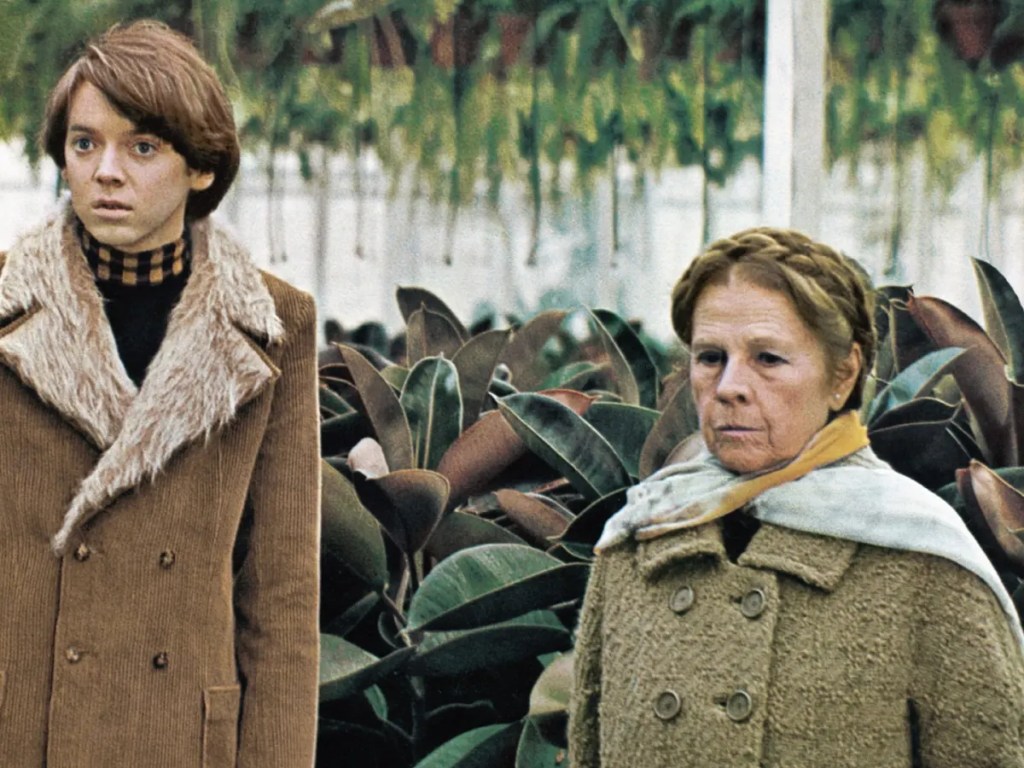
Director Hal Ashby and screenwriter Colin Higgins gave new meaning to May-December romances in this dark comedy about a morbid 20-year-old named Harold (Bud Cort, deadpan) who attends funerals in his spare time when he meets a feisty 79-year-old named Maude (Ruth Gordon, vivacious). Despite stellar performances and a lovely Cat Stevens soundtrack, not everyone appreciated Harold and Maude at the time. Variety sniffed that it “has all the fun and gaiety of a burning orphanage,” but knowing audiences quickly tuned into the life-affirming subtext of a black comedy preoccupied with death. Come to think of it, maybe one’s appreciation of life is always contingent on understanding our own mortality. Yeah, I can be pretty deep sometimes.
5. Notorious (1946)
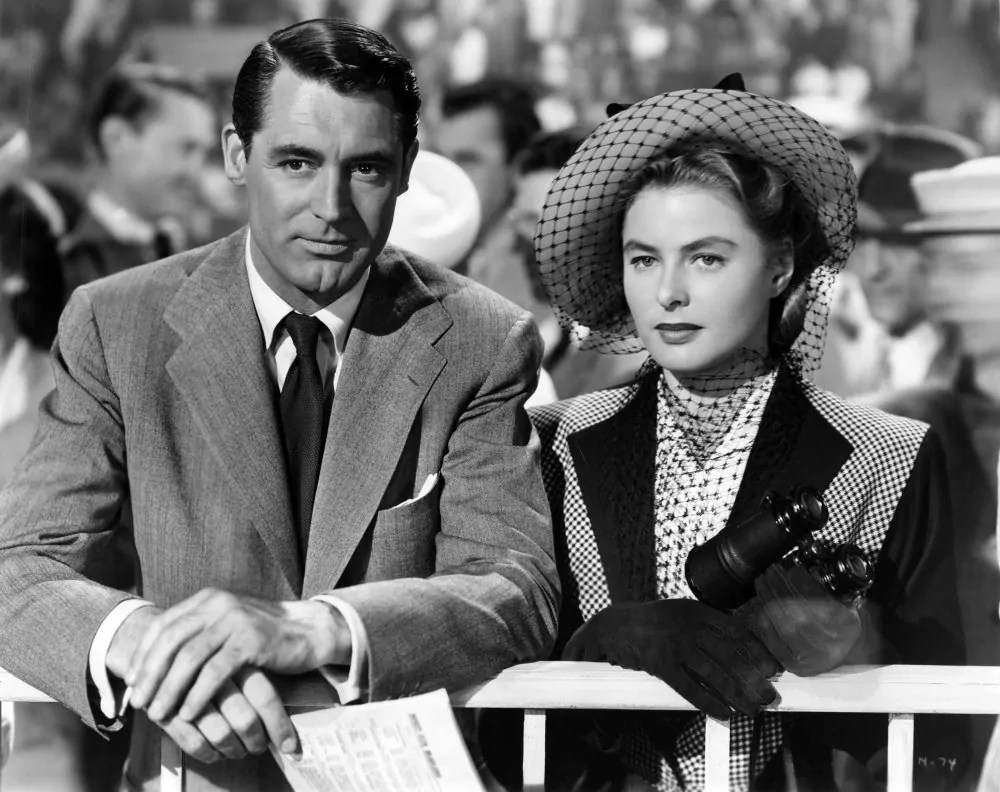
This espionage thriller is a one of the best from suspense master Alfred Hitchcock. Boasting a first-rate script by Ben Hecht, Notorious concerns a love triangle between Ingrid Bergman as Alicia, a troubled party girl who is forced by American intelligence to marry and spy on Claude Rains as the ringleader of Nazi fugitives living in South America. Cary Grant is the ice-blooded spy handler who loves Alicia when he isn’t treating her like shit. In a particularly notorious (ahem) two-minute and 40-second scene, Hitch gets as steamy as one could under the prudish eye of the Production Code. Bergman and Grant smooch it up with Hitch’s camera close enough to smell what the actors had for lunch in the RKO commissary that day. Pauline Kael raved about Notorious, “The honor of the American male is saved by a hairbreadth, but Bergman is literally ravishing in what is probably her sexiest performance.”
4. Before Sunset (2004)
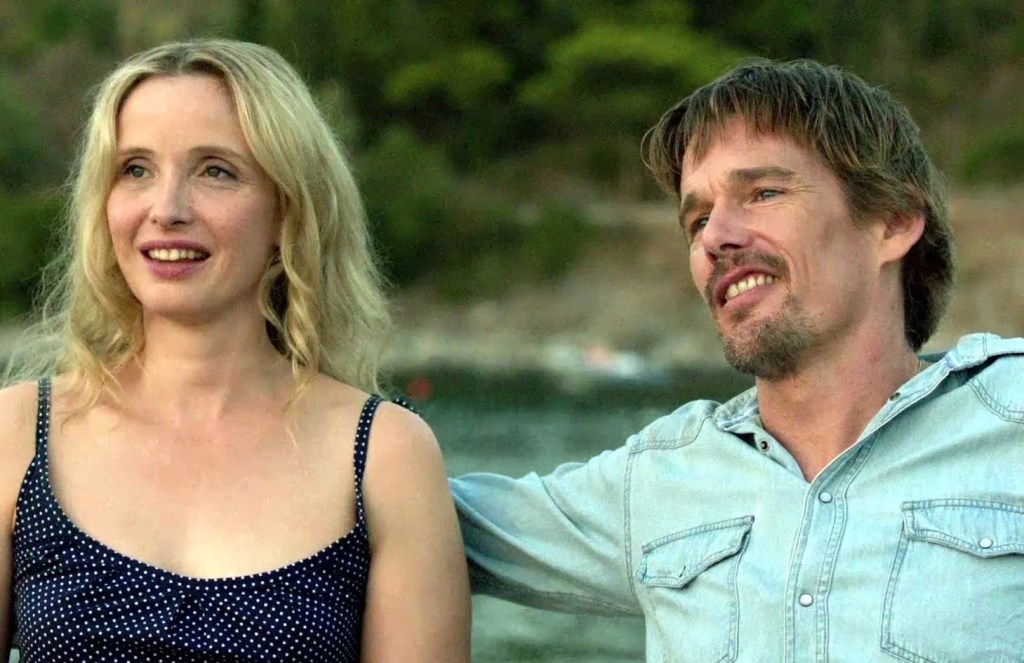
Director Richard Linklater’s Before trilogy is in the pantheon of cinema’s greatest love stories. Unconventional by Hollywood standards, the films brim with talk – incisive, funny and burgeoning with ideas – and diehard fans cherish each of the nine-years-apart installments. For me, Before Sunset easily resonates the most. Ethan Hawke and Julie Delpy (they share screenwriting credit with Linklater) return as Jesse and Céline, the same characters who fell in love over one momentous night in 1995’s Before Sunrise. Nine years have passed for Before Sunset, with the two having gone their separate ways. Jesse is a writer living in the United States with his wife and child; Céline is an environmental activist in her native France and in a relationship of her own. The couple reunite when Jesse visits Paris on a book-signing tour, take a languorous walk around the city, and realize that, well, you know. Followed nine years later by Before Midnight.
3. Wings of Desire (1987)
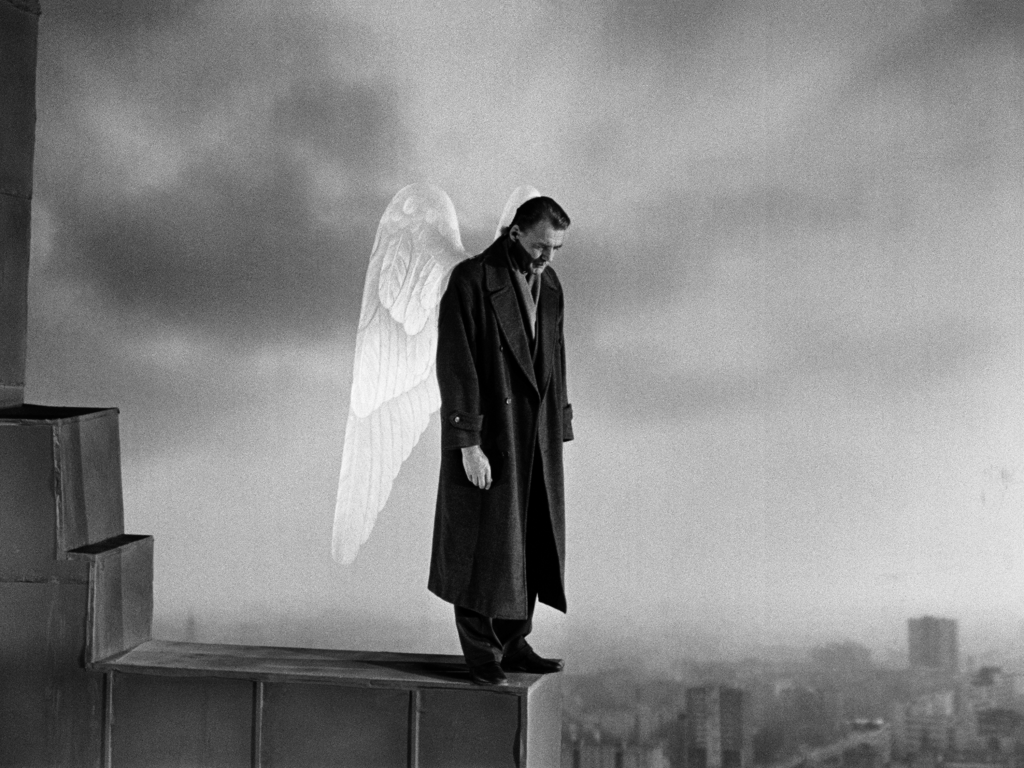
Wim Wenders has made several gloriously gorgeous odes to humanity (his most recent being Perfect Days – see it), but Wings of Desire is his hands-down masterpiece. Set in modern-day Berlin, it stars Bruno Ganz as Damiel, one of the masses of ubiquitous angels who monitor the messy lives of human beings as they go about their day-to-day. The existence of Damiel and his colleagues, meanwhile, is limited to one of removed observation. Wings of Desire “creates a mood of sadness and isolation, of yearning, of the transience of earthly things,” writes Roger Ebert in The Great Movies. “If man is the only animal that knows it lives in time, the movie is about that knowledge.” Damiel grows enamored with a trapeze artist (Soloveig Dommartin) in a traveling circus, and it is enough for this angel to trade in his wings for flesh and blood. Shot partly in sumptuous black-and-white by cinematographer Henri Alekan, the German-language movie is achingly beautiful. Look for a great cameo by Peter Falk.
2. Casablanca (1942)
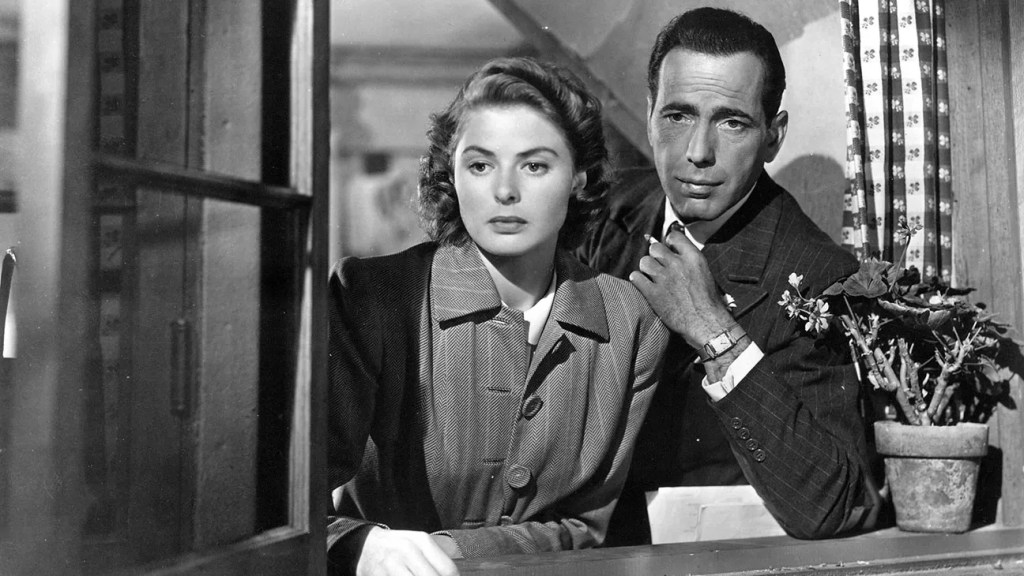
You may have heard of this one. It is arguably the greatest product from Hollywood’s first Golden Age. Humphrey Bogart is Rick Blaine, an embittered nightclub owner squirreled away in Morocco when who walks into his gin joint but none other than Ilsa Lund, played by Ingrid Bergman, the beautiful dame who ripped his heart out in Paris years earlier. Now Ilsa and her do-gooder husband Victor Laszlo (Paul Henreid) need Rick’s help to continue Victor’s work leading the Resistance against Hitler. As Saturday Night Live’s Stefon might say, Casablanca has it all: War, romance, Nazis, gambling, Vichy wine, “As Time Goes By” and a murderer’s row of great character actors including Claude Rains, Peter Lorre, Dooley Wilson, Conrad Veidt and Sydney Greenstreet. Casablanca is the ultimate story of love and sacrifice, and how the yearnings of two people don’t amount to a hill of beans when, say, the free world hangs in the balance. “What it’s saying is that normally love should find its way, but not when the world is in crisis. And it means it,” film scholar Richard Schickel writes in Keepers: The Greatest Films – and Personal Favorites – of a Moviegoing Lifetime. “Or it means it long enough for us to accept the possibility that every once in a while people can act out of their better natures. Even today the film can persuade us of this frankly dubious proposition.”
- Eternal Sunshine of the Spotless Mind (2004)
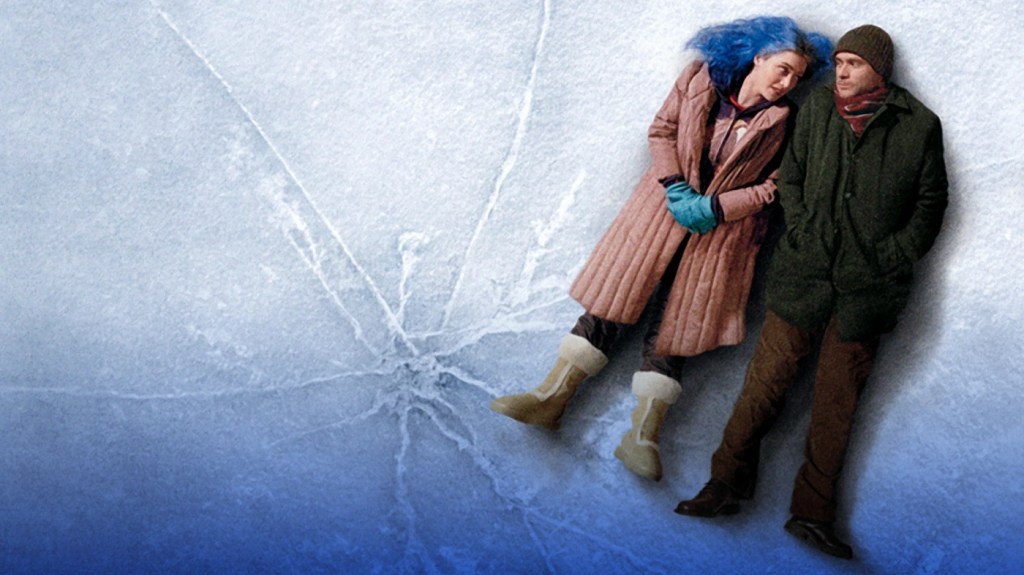
Eternal Sunshine of the Spotless Mind isn’t just my favorite movie love story, but also one of my all-time favorite movies, period. Jim Carey is aging slacker Joel Barish, who gets a radical memory-erasing procedure – did I mention this is science-fiction? – to eliminate any trace of ex-girlfriend Clementine, played with manic pixie dream-girl fervor by Kate Winslet, after she has had Joel thoroughly expunged from her noggin. Director Michel Gondry and supernaturally inventive screenwriter Charlie Kaufman use this highwire concept to muse on relationships, memory and the concept of free will. A few months ago, I revisited Eternal Sunshine for the first time since its theatrical release some 20 years ago. I wondered if it would hold up. And hot damn, it does. It remains mind-bogglingly brilliant, and with a decidedly complex take on affairs of the heart.
 Cutting to the Chase with Phil Bacharach