This just in: Moviegoers love romance. From the very start––beginning with The Kiss in 1896––cinema has excavated emotional gold from affairs of the heart. Big-screen love stories are so pervasive, in fact, that most of us know the tropes by heart (pun intended), from the meet-cute to that inevitable conclusion in which someone, usually male, is sprinting through city streets to profess their love. The mechanics of movies lend themselves to these tales. Film is an intimate medium, after all. Where else can your eyes linger on a close-up or swoon over the sight of two beautiful people locked in an embrace? Try doing that in real life, and you might wind up in handcuffs––and not in a good way.

With likely hundreds of thousands of love stories to choose from over a multitude of genres, here are my 25 selections for the most captivating love stories in cinema. These picks do not include tales of infidelity (that will be for another list), but the preponderance of great works in that taboo realm has prompted me to include some Honorable Mentions. Finally, just as the laws of attraction transcend easy explanation, so, too, is our response to such stories entirely subjective. That’s my way of saying you might not see some of your most beloved rom-coms here.
25. Mississippi Masala (1991, dir: Mira Nair)
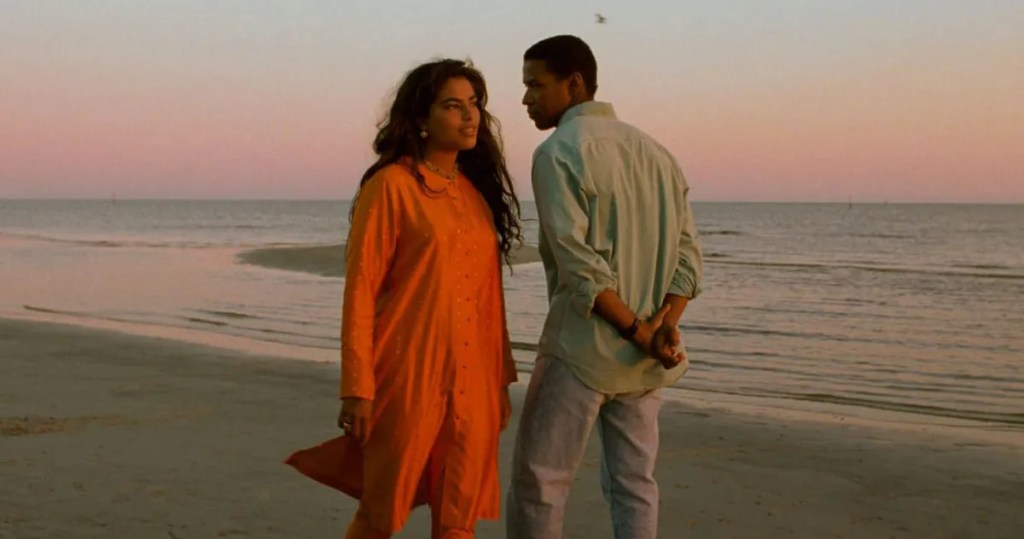
Small-mindedness and entrenched racism are no match for true love, especially when the lovers are Sarita Choudhury and Denzel Washington. Choudhury portrays Mina, whose Bengali family migrated to the United States in 1972 after Ugandan dictator Idi Amin expelled non-Africans from the country. Mina’s family has carved out a modest place for themselves residing with relatives in Greenwood, Mississippi. That fragile peace with the community is shattered when Mina falls for a Black man, Demetrius (Washington), the hardworking owner of a carpet-cleaning business. Director Mira Nair and screenwriter Sooni Taraporevala lay bare the insanity of racism on top of racism, but Mississippi Masala is also an affecting love story. Choudhury and Washington are tremendous, as is Roshan Seth as Mina’s father, who is still seething from the injustice done to him in Africa.
24. The Worst Person in the World (2021, dir: Joachim Trier)
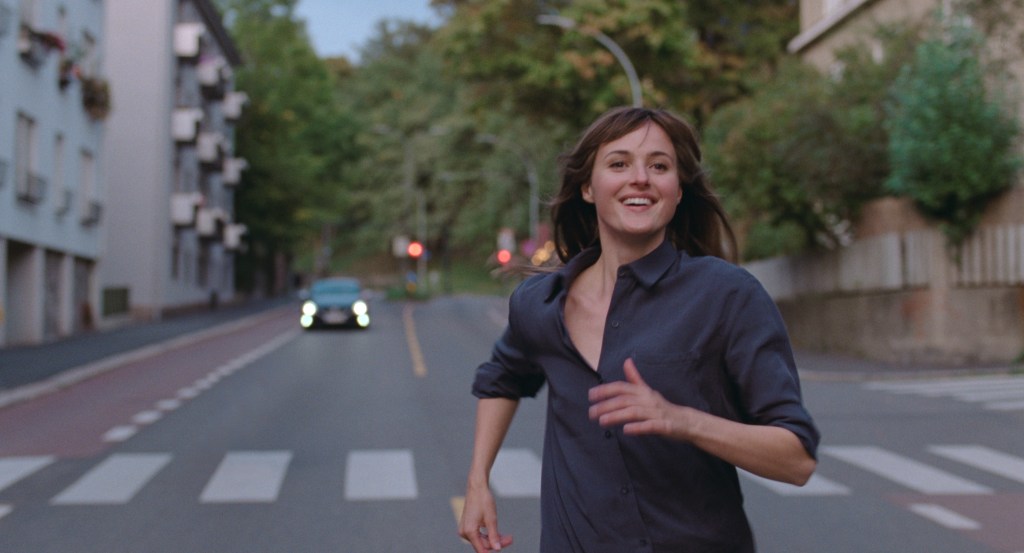
Take the title with a grain of salt. This feisty comedy-drama does not cast judgment on its characters. Julie (Renate Reinsve), a Norwegian woman nearing 30, certainly has her very human flaws. She is often self-absorbed, mercurial and indecisive (who isn’t?). Faced with a wealth of life options, she drifts from job to job and––more complicatedly––relationship to relationship. She falls for Aksel (Anders Danielsen Lie), an underground comic artist 15 years her senior. Julie dismisses his words of caution that they are bound to have issues about being in different stages of their lives. She learns he is right, however, and later hooks up with a sweet-natured barista (Herbert Nordrum) in one of the more scatalogical meet-cutes in movie history. Reinsve is phenomenal in a role that director Joachim Trier and co-writer Eskil Vogt wrote specifically for her.
23. One Way Passage (1932, dir: Tay Garnett)
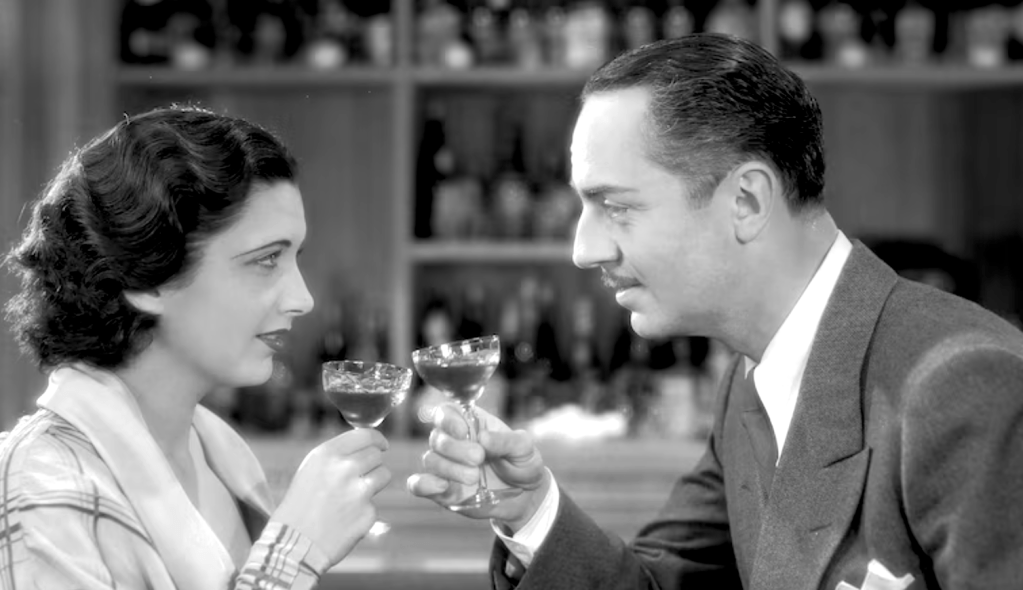
Dan Hardesty (William Powell) and Joan Ames (Kay Francis) meet in a Singapore bar and fall for each other almost instantly. As fate would have it, they soon find themselves aboard the same ocean liner steaming from Hong Kong to San Francisco. The operative word here is “fate.” Dan is in the custody of a tenacious but dimwitted cop (Warren Hymer) and on his way to the penitentiary to be hanged for murder––a perfectly justifiable homicide, mind you, but the law is the law, even in Pre-Code Hollywood. Joan faces her own mortality concerns, suffering from one of those nebulous movie maladies of yesteryear where just a shock to the system could kill the poor girl. On the high seas, however, the star-crossed lovers are determined to hide the tragic truth from one another. Can love forestall fate? Director Tay Garnett keeps the pace brisk, the laughs genuine, and the tears earned, all within a 67-minute running time.
22. Sweet Land (2005, dir: Ali Selim)
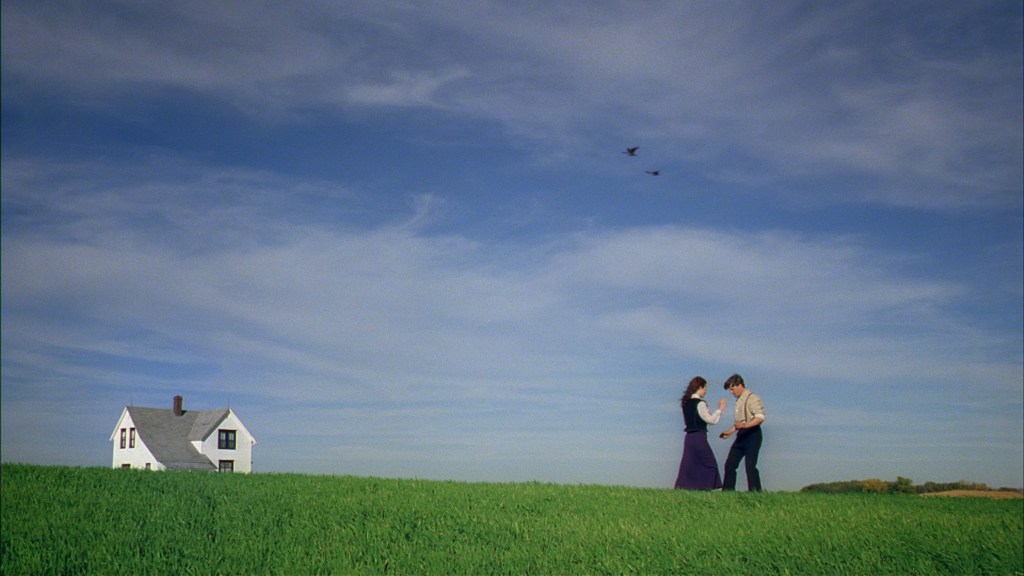
I discovered this underseen gem in the 2000s when I was writing for an online DVD review publication and reviewing whatever obscure disc they sent my way. Sweet Land was the rare treasure that seemingly came out of nowhere. It follows a Norwegian mail-order bride (Elizabeth Reaser) brought to America by a Minnesota farmer (Tim Guinee) circa the 1920s. Its bittersweet tone is set in the opening prologue, which comes from a Don Snyder memoir titled Of Time and Memory: “Let us hope that we are all preceded in this world by a love story.” Our lovers’ shared adversity strengthens the growing bond between them. Their onscreen devotion is mirrored by the commitment that writer-director Ali Selim obviously had for this project. A veteran director of TV commercials, he chipped away on Sweet Land intermittently over 15 years.
21. The Clock (1945, dir: Vincente Minnelli)
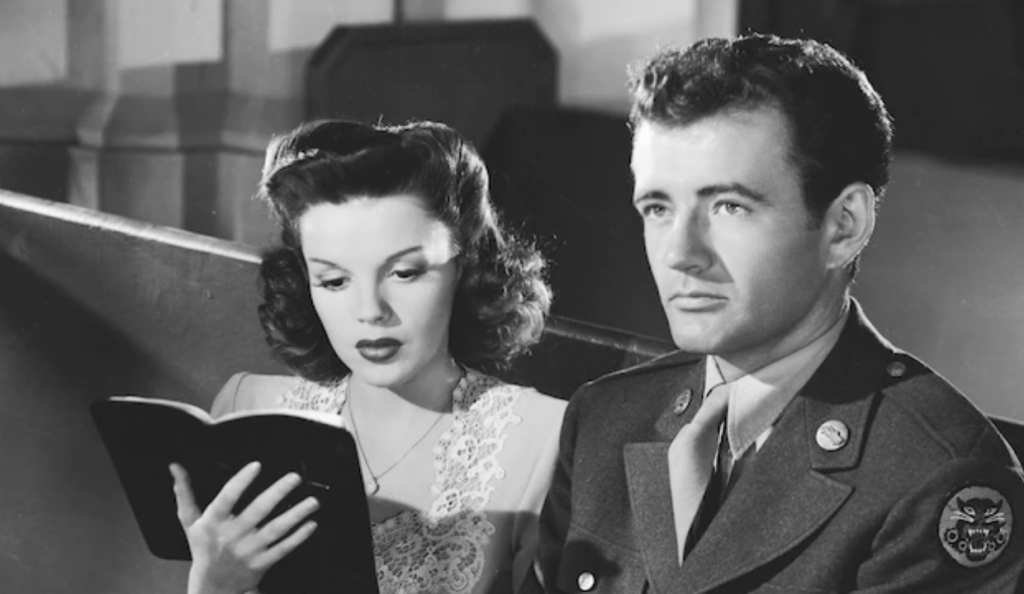
Robert Walker is Joe Allen, a soldier newly arrived in New York City for a two-day leave and ready to see the sights. But he is barely in town before meeting Judy Garland’s Alice Maybery, a working girl, beneath the clock in Penn Station. Alice initially doesn’t know what to make of this open-hearted fella, but thankfully she lets down her guard. Garland had successfully lobbied MGM for a dramatic, nonsinging role, but she was frustrated with The Clock’s initial director, Fred Zinnemann. She pulled strings to get a new director assigned: Vincente Minnelli, with whom she had just made Meet Me in St. Louis. The resulting film is a charming, poignant love story that, in its depiction of New Yorkers as kindly and incorrigible romantics, flirts with fairytale territory. Love was in the air off camera, too, as Garland and Minnelli were heading toward their marriage. Walker’s off-camera life was in collapse, however; his wife, actress Jennifer Jones, was leaving him for producer David O. Selznik. On screen, however, The Clock is a magical escape.
20. Say Anything… (1989, dir: Cameron Crowe)
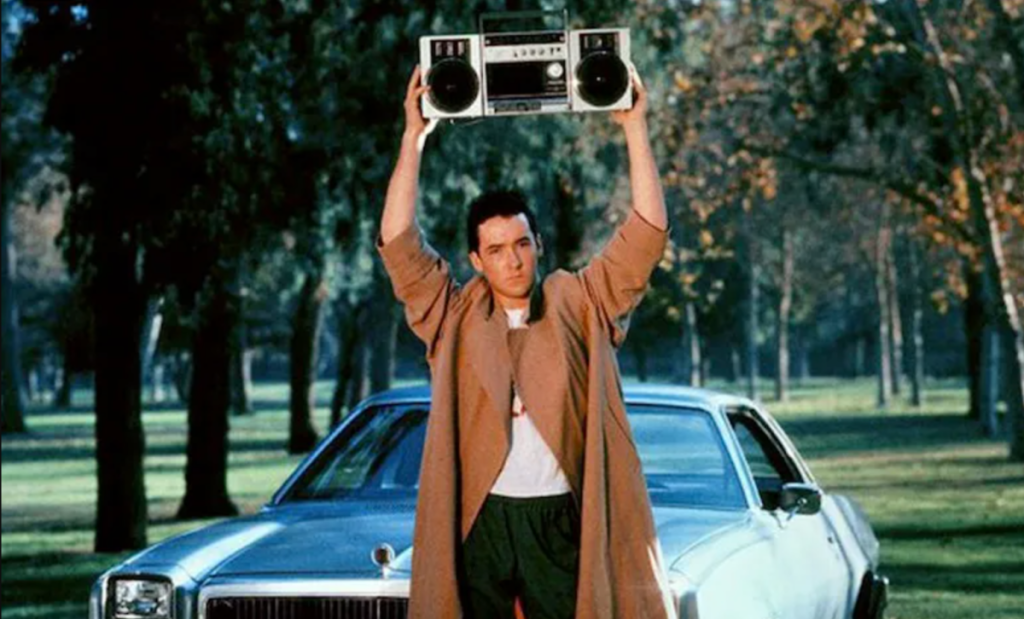
Even if you haven’t seen this winning romantic comedy, chances are you know its most enduring image: John Cusack outside the home of his beloved, holding a boombox over his head as it blasts Peter Gabriel’s “In Your Eyes.” But Say Anything… is much more than that oft-parodied scene. Cusack and Ione Skye are Lloyd Dobler and Diane Court, respectively, high school seniors who seemingly have little in common. Diane is an overachieving high school valedictorian; Lloyd, more devoted to kickboxing than academics, has no plans for college. Diane is close with her divorced and overly protective father (a great John Mahoney); Lloyd lives with his older sister (played by John’s real-life sister, Joan Cusack). Writer-director Cameron Crowe gives us believable, compelling teens who elevate the picture over most of its ilk. At its heart is Cusack in a breakthrough performance.
19. The Notebook (2004, dir: Nick Cassavetes)
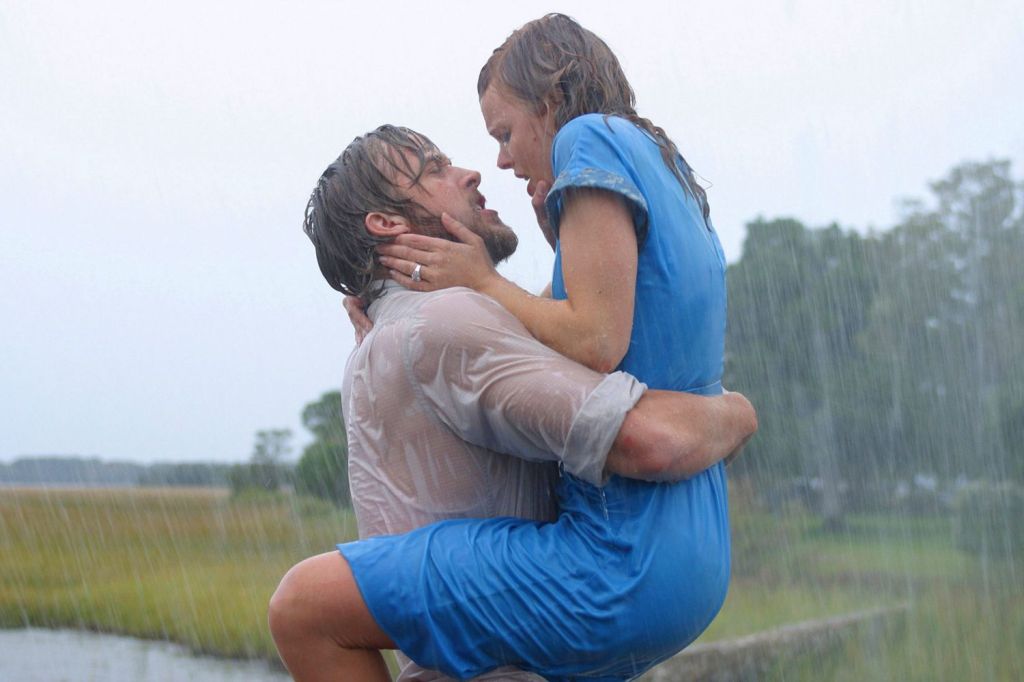
Nick Cassavetes’ workmanlike adaptation of Nicholas Sparks’ 1996 bestseller is shamelessly manipulative and sentimental. Its understanding of dementia is dubious at best. There isn’t a trope of the genre it can resist. But dammit, The Notebook accomplishes everything it sets out to do. We begin in a nursing home, where a kindly old man reads to an old woman with dementia from a notebook that details the 1940s love story between Noah (Ryan Gosling) and Allie (Rachel McAdams). Noah is a penniless blue-collar guy; Allie is from a wealthy family. She initially rejects his advances, but his persistence (stalking, we might call it today) eventually wins her over. It doesn’t take a rocket scientist to figure out where this tale is going, but honestly, The Notebook’s sweetly old-fashioned embrace of passion is wholly endearing. Gosling and McAdams are beautiful, magnetic and show real chemistry together. James Garner and Gena Rowlands (the director’s mother) deliver heartbreaking performances. You’ll weep, and maybe hate yourself for being such a pushover. C‘est la vie.
18. Lost in Translation (2003, dir: Sofia Coppola)
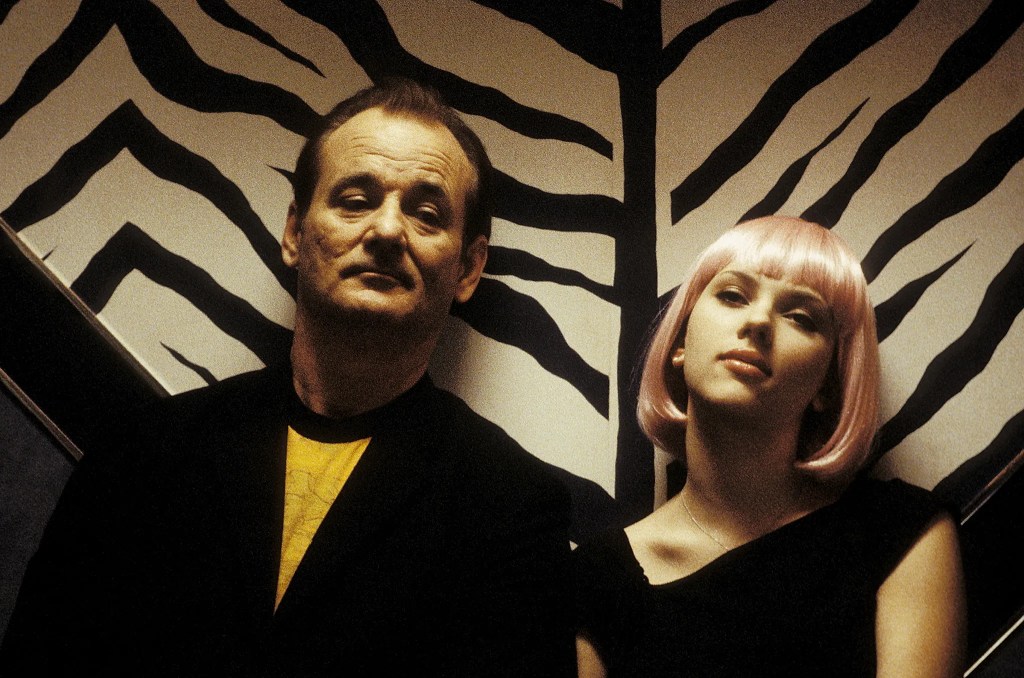
This May-December romance (see #12 for another) is one of moviedom’s greatest chaste love affairs. Stuck in a mammoth Tokyo hotel, Scarlett Johansson plays Charlotte, a bored, unhappily married young woman who meets an aging, unhappily married movie star, Bob Harris (Bill Murray), who is in town to shoot a whiskey commercial. These kindred spirits explore the city, karaoke and muse about life. Writing in The Ringer, Adam Layman opined that “what cuts like a double-edged sword is the feeling that Bob and Charlotte are meeting at exactly the wrong time as potential lovers and exactly the right time as soulmates.” Writer-director Sofia Coppola, in only her second work, creates a woozy, jet-lagged vibe that gives the film an enchanting, dreamlike quality. Like most dreams, Lost in Translation can be intriguingly opaque, as evidenced by its justly famous ending (spoiler alert!) where Bob whispers something to Charlotte that we cannot hear.
17. Wings of Desire (1987, dir: Wim Wenders)
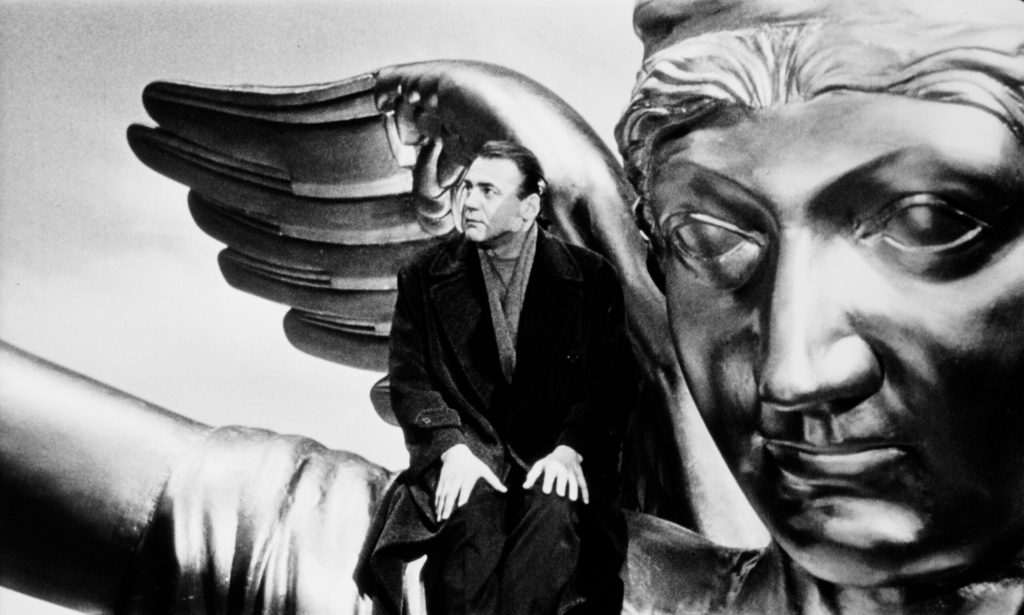
Set in Berlin, this Wim Wenders stunner stars Bruno Ganz as Damiel, one of the masses of ubiquitous angels who monitor the messy lives of human beings as they go about their day-to-day lives. The existence of Damiel and his colleagues, meanwhile, is a state of removed observations. They watch, listen and document, but they cannot interfere with the mortals. Wings of Desire “creates a mood of sadness and isolation, of yearning, of the transience of earthly things,” wrote Roger Ebert in The Great Movies. “If man is the only animal that knows it lives in time, the movie is about that knowledge.” Damiel grows enamored with a troubled trapeze artist, played by Soloveig Dommartin, whom he sees in a traveling circus. The celestial crush is enough for this lovelorn angel to trade in his wings for flesh and blood. Henri Alekan’s black-and-white cinematography is achingly beautiful. Look for a wonderful cameo from Peter Falk as himself.
16. Portrait of a Lady on Fire (2019, dir: Céline Sciamma)
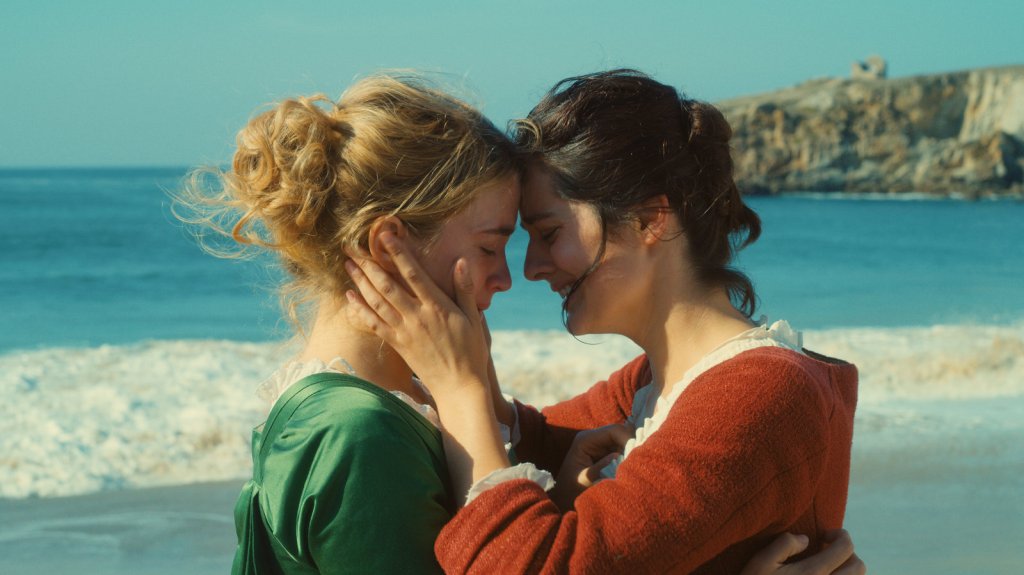
Set in late 18th century France, this sensual tale is told in a flashback that makes clear we likely are not in for a happy ending. Artist Marianne (Noémie Merlant) is commissioned to do a portrait of a young woman. The assignment isn’t a typical one. The would-be subject, a young woman named Héloïse (Adèle Haenel) recently out of a convent, has refused to pose for a portrait that she neither wants nor welcomes, since it is intended to secure marriage to a wealthy man she does not know. Marianne must keep her task secret from Héloïse and instead pretend to be a companion hired to keep her company. Longing looks and pregnant pauses lead inexorably toward a lesbian love affair that is passionate, poignant and ultimately heart-wrenching. The pace is exquisitely unhurried. Cinematographer Claire Mathon’s camerawork seduces us with sumptuous colors, textures of clothing and gorgeous seaside environs. Significantly, writer-director Céline Sciamma offers a lesbian relationship unencumbered by shame or societal norms of the time.
15. An Affair to Remember (1957, dir: Leo McCarey)
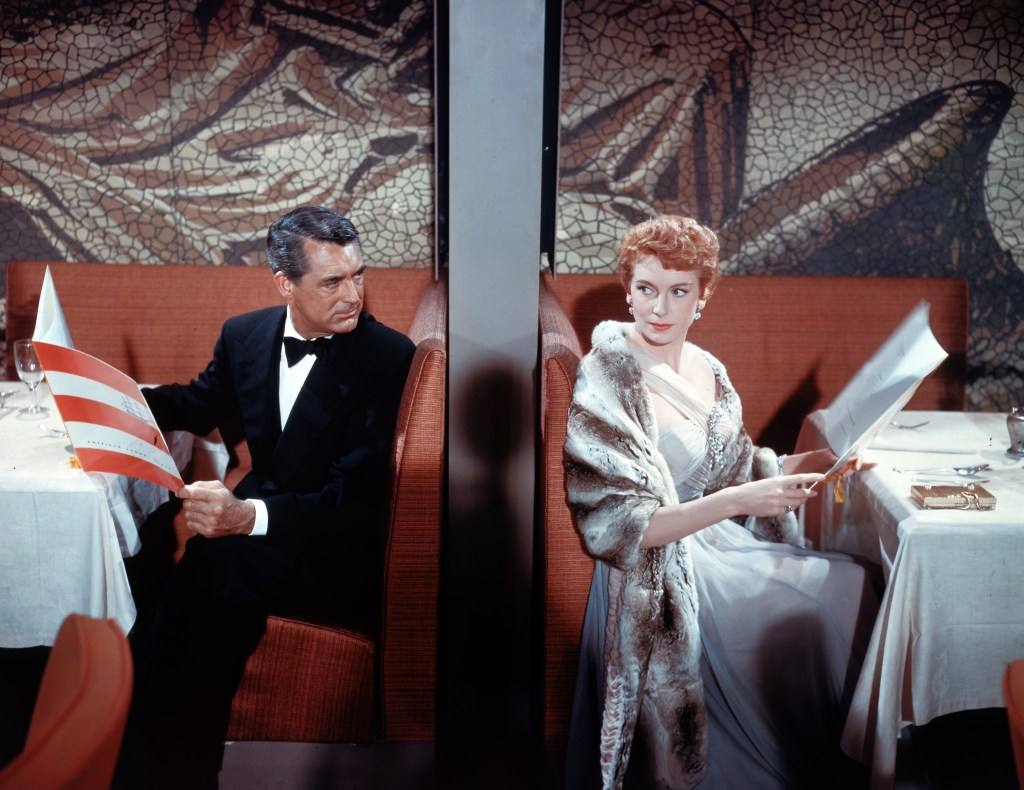
Director Leo McCarey’s unabashedly romantic remake of his own Love Affair (1939) wisely bets on the fizzy charm of Cary Grant and alluring refinement of Deborah Kerr. High-profile playboy Nickie Ferrante (Grant) and high-society dame Terry McKay (Kerr) meet on a transatlantic cruise ship. Nickie has a fiancé and Terry is in a long-term relationship, but the pair’s chemistry is immediate and strong. At the cruise’s end, the two disembark in New York City, agree to break up with their significant others, and reunite six months later at the top of the Empire State Building. Alas, if only it were that simple. Prepare for a dramatic turn, but have tissues on hand in case of waterworks. McCarey’s script with co-writer Delmer Daves is sophisticated and refreshingly adult. It’s no wonder writer-director Nora Ephron paid homage to it in 1993’s Sleepless in Seattle.
14. A Room with a View (1985, dir: James Ivory)
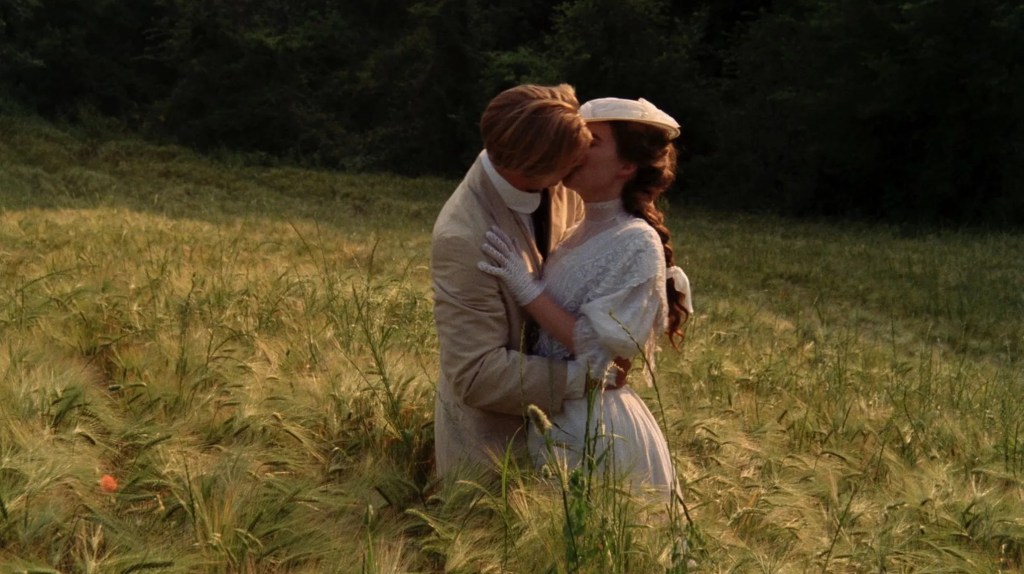
In the pantheon of tasteful, hyper-literate period pieces from producer Ismail Merchant and director James Ivory, A Room with a View is arguably the most fun. Sublime, even. Helena Bonham Carter was 19 when she made her film debut as Lucy Honeychurch, our ingénue feeling her way through romantic entanglements in Edwardian England. An adaptation of E.M. Forster’s celebrated 1908 novel, the movie opens with Lucy and her prim Aunt Charlotte (Maggie Smith) touring Italy when they meet the eccentric but spirited Mr. Emerson (Denholm Elliott) and his handsome son, George (Julian Sands). It’s love at first sight for Lucy and the impetuous George, but that doesn’t keep her from getting engaged to an insufferable ninny portrayed by Daniel Day-Lewis. Thankfully for affairs of the heart, happy coincidences were apparently abundant at the turn of the 20th century. The cast is a dream. Smith, Elliott and Day-Lewis are as superb as one would expect, with Simon Callow and Judi Dench rounding out the supporting players. The picture won Oscars for adapted screenplay, costumes and art design.
13. Punch-Drunk Love (2002, dir: Paul Thomas Anderson)
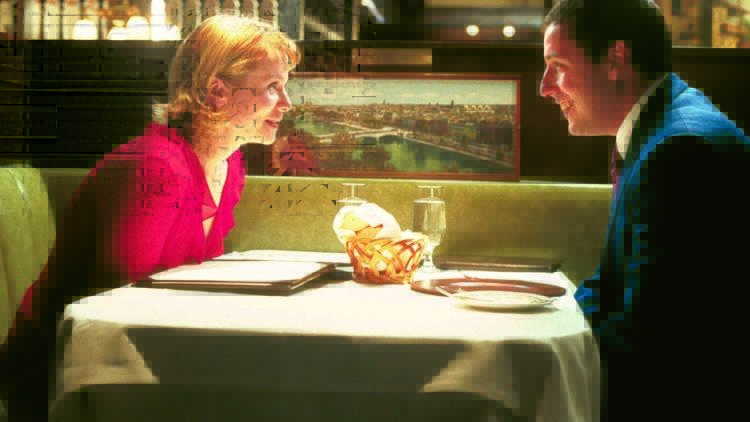
Adam Sandler brings his simmering mix of stilted maturity and barely repressed rage to the role of Barry Egan. A lonely, small-time entrepreneur who offices in a cavernous Los Angeles warehouse, he fills his days collecting Healthy Choice pudding coupons and placing awkward calls with a phone-sex service being run out of a sketchy mattress store. Barry’s fortunes change when he meets Lena (Emily Watson), a sweet, quirky co-worker of his sister’s. While it’s easy to see why Barry sees Lena as a dream come true, her affection for this misfit is a bit more challenging to buy. But we go with it because of the magical-realism vibe from writer-director Paul Thomas Anderson. Buoyed by Jon Brion’s enchanting score (which makes room for terrific use of Shelley Duvall’s “He Needs Me” from Robert Altman’s Popeye) and Anderson’s visual inventiveness, Punch-Drunk Love is as delightfully strange and inexplicable as a piano falling from the skies (IYKYK).
12. Harold and Maude (1971, dir: Hal Ashby)
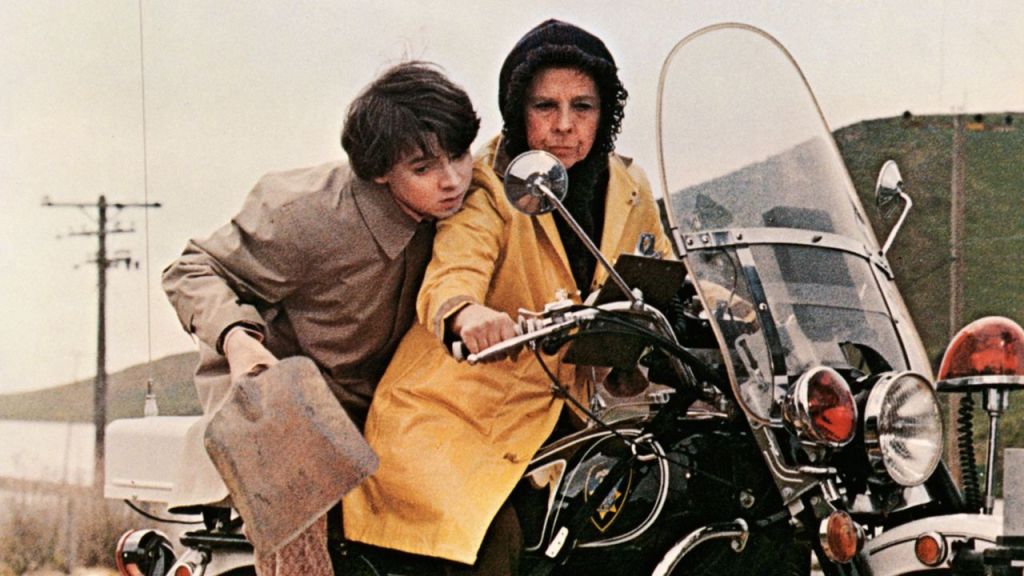
Director Hal Ashby and screenwriter Colin Higgins gave new meaning to May-December courtships in this unlikely romance about a depressive 20-year-old man and a vivacious 79-year-old woman. Bud Cort is deadpan perfection as the macabre Harold, who attends funerals in his spare time when he isn’t staging suicides to sabotage dates set up by his socialite mother (a scene-stealing Vivian Pickles). At one of Harold’s funereal outings, he meets Ruth Gordon’s feisty septuagenarian, Maude. A platonic relationship blossoms into something more. Despite stellar performances and a lovely Cat Stevens soundtrack, movie critics at the time savaged the picture. Variety sniffed that it “has all the fun and gaiety of a burning orphanage,” but smarter audiences eventually tuned into the life-affirming subtext of a black comedy preoccupied with death.
11. If Beale Street Could Talk (2018, dir: Barry Jenkins)
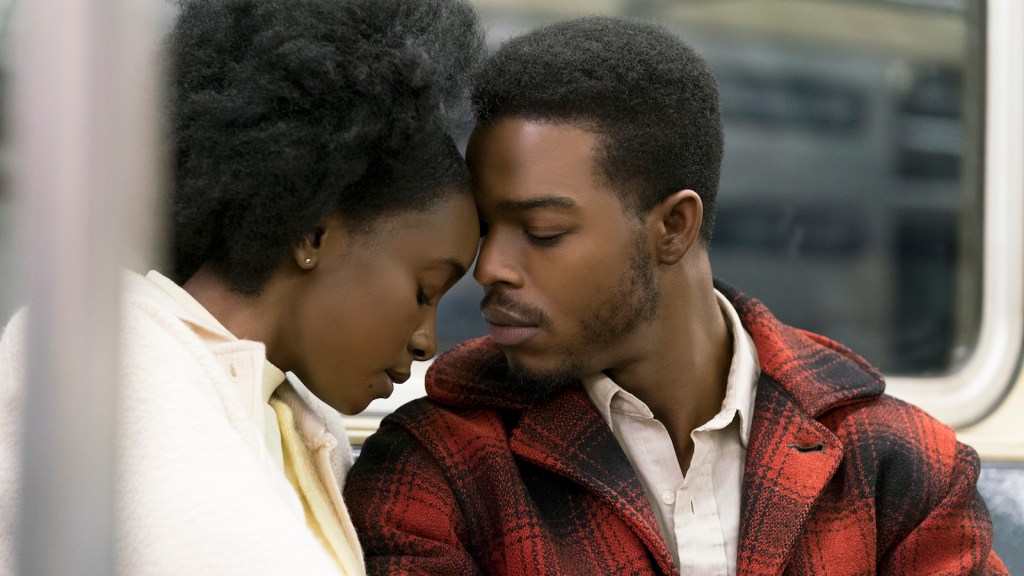
Barry Jenkins’ followup to his Oscar-winning Moonlight again demonstrates the writer-director’s mastery at setting a mood. The camera loves, and wisely luxuriates in close-up on, the faces of KiKi Layne and Stephan James as a young couple in 1970s Harlem ripped apart when the man is falsely accused of rape. “I hope that nobody has ever had to look at anybody they love … through glass,” Layne’s Tish tells us in voiceover during a prison visitation. Based on James Baldwin’s 1974 novel, If Beale Street Could Talk bathes in its romanticism without short-shrifting the author’s stark critique of America’s institutional racism. Layne and James are excellent, as is the entire cast, particularly Regina King. Her gut-wrenching performance as Tish’s mother earned an Academy Award for Best Supporting Actress.
10. Now, Voyager (1942, dir: Irving Rapper)
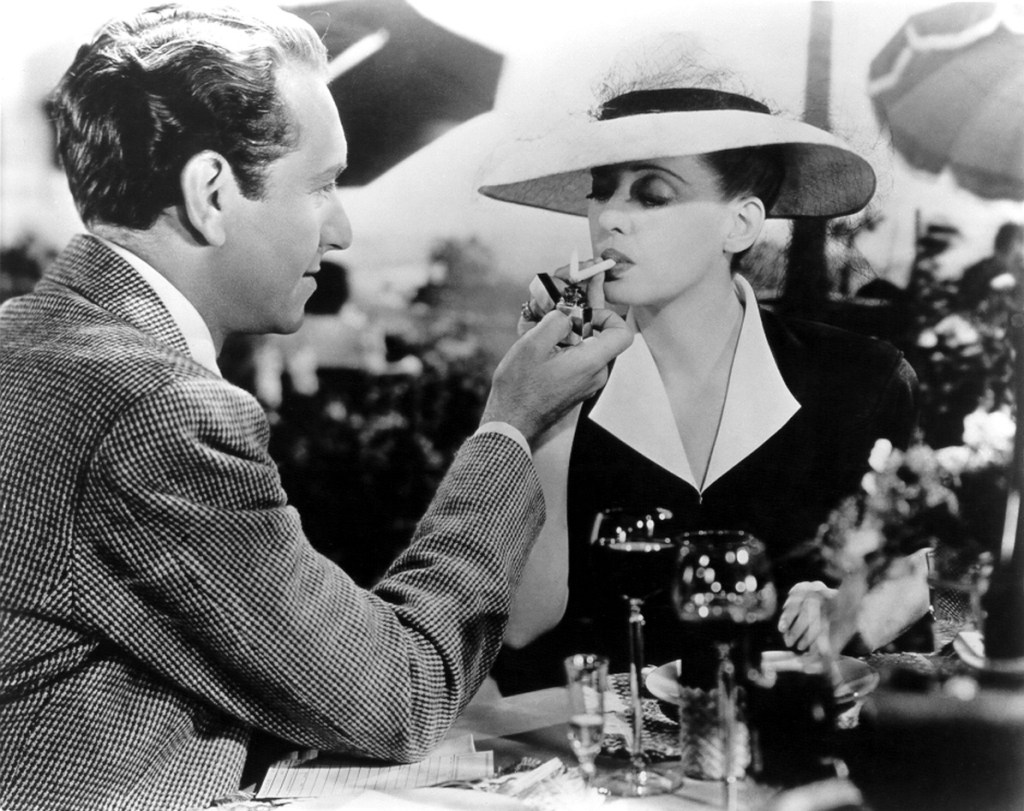
In this beloved melodrama, actor Paul Henreid lit two cigarettes, handed one to Bette Davis and prompted a nation of lovelorn smokers to do the same. Now, Voyager stars Davis as Charlotte Vale, a frumpy and despondent unmarried (or “old maid” to use the unfortunate parlance of the era) living under the thumb of a nastily dominating mother (Gladys Cooper). Claude Rains plays a nurturing psychiatrist who helps Charlotte find a new lease on life, even if the movie sort of suggests that all she needed was a makeover. On a cruise, Charlotte falls hard for the unhappily married Jerry (Henreid), and sparks fly. Weeping with joy as they embrace, she intones, “These are only tears of gratitude, an old maid’s gratitude!” It is hard to imagine anyone else but Davis—who won the part over the likes of Norma Shearer, Irene Dunne and Ginger Rogers—as Charlotte. Director Irving Rapper was known for grand soapers; Now, Voyager is among the most agreeably soapy.
9. Carol (2015, dir: Todd Haynes)
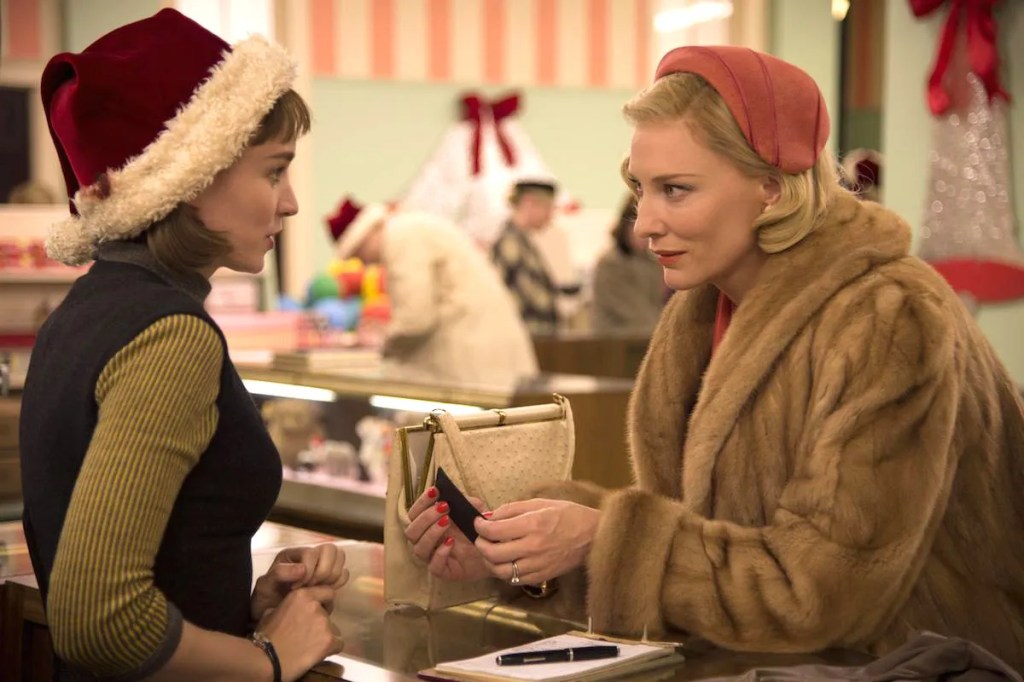
A quick, seemingly throwaway scene in Carol encapsulates its dazzling allure. Carol Aird (Cate Blanchett) and her lover-to-be (Rooney Mara) take a leisurely drive to enjoy the wintry charms of 1950s-era New England. Their car conversation is inaudible, but we catch a fleeting succession of simple images––a slender hand on a steering wheel, sunlight streaming through a windshield––that mimic the intoxicating feel of initial romance. Director Todd Haynes’ tale of a forbidden love affair set in the repressed but oh-so-stylish 1950s, Carol is awash in meticulous period detail. Cinematographer Ed Lachman and composer Carter Burwell are integral to building the sumptuous, bittersweet and achingly romantic feel. Blanchett is entrancing as the title character, but Mara is every bit her equal as a department store clerk who falls hard for that sophisticated, middle-aged woman. Carol lingers on the mind.
8. Titanic (1997, dir: James Cameron)
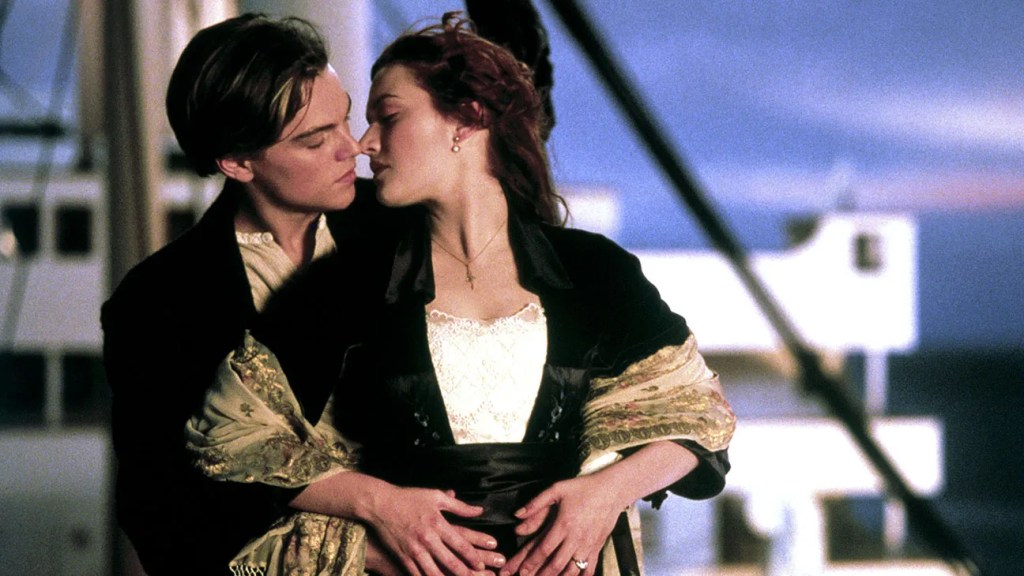
Rich girl and poor boy meet and fall in love aboard an ocean liner in 1912. Such steep class divisions in the 1910s were challenging enough, but make that ship the doomed RMS Titanic and you’ve got the makings of a thrill-and-tear-filled blockbuster. James Cameron’s $200 million epic became the first film to earn more than $1 billion. Kate Winslet shines as 17-year-old Rose DeWitt Bukater, betrothed to the fiendish Cal Hockley (Billy Zane) when she falls for starving-but-charming artist Jack Dawson, played by Leonardo DiCaprio in the role that propelled him to teen-heartthrob status. Jack and Rose consummate their passion in a car in the cargo hold, just in time before an iceberg signals a chaotic third act. Titanic is grandiose and sentimental, but the extraordinary production and emotional beats are hard to resist. Titanic’s epilogue, where an elderly Rose (Gloria Stuart) has some business with a priceless necklace dubbed “the Heart of the Ocean,” is so stirring that not even Céline Dion’s gooey ballad, “My Heart Will Go On,” can spoil it. Romance was brewing behind the camera, too. Cameron began dating actress Suzy Amis, who played Old Rose’s granddaughter; the two married three years later.
7. The Cranes Are Flying (1957, dir: Mikhail Kalatozov)
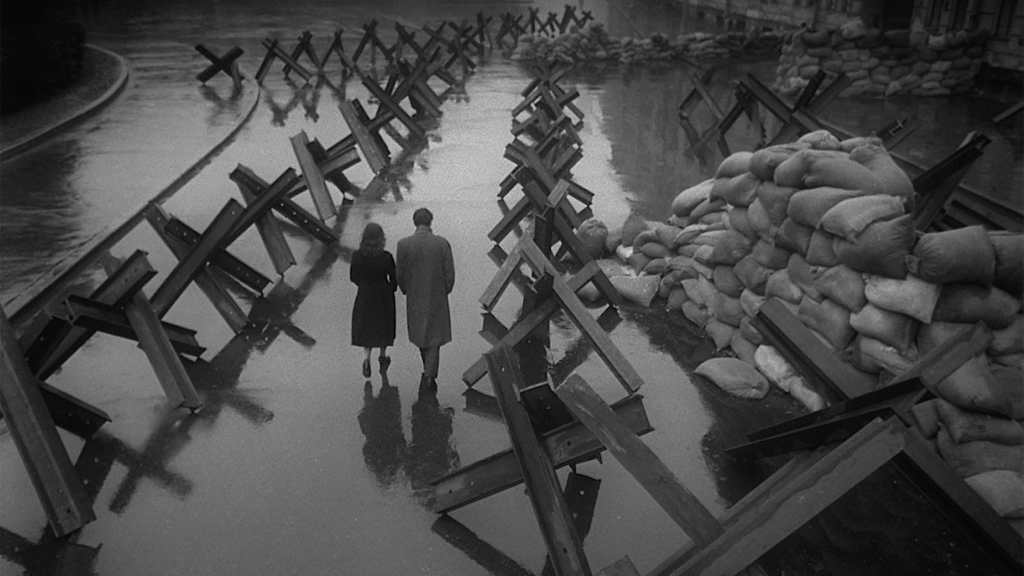
One of the great works of Soviet cinema, The Cranes Are Flying is propaganda that is also a gripping love story. The starry-eyed plans of young lovers Boris (Aleksey Batalov) and Veronika (Tatiana Samoilova) are placed on hold with Mother Russia’s entry into the Second World War. Boris bravely enlists in spite of his girlfriend’s entreaties. Unfortunately, Boris’ weaselly cousin Mark (Aleksandr Shvorin) avoids military service so he can hang back at the homefront with beautiful Veronika. Sacrifice and suffering follow. Director Mikhail Kalatozov and cinematographer Sergey Urusevsky, who went on to collaborate on 1964’s rhapsodic I Am Cuba, are masters of using camera movement to reveal character and heighten emotion. A winner of the Palme d’Or at the 1958 Cannes Film Festival, The Cranes Are Flying is aided mightily by Samoilova, whose deeply felt performance made her an international phenomenon.
6. Brokeback Mountain (2005, dir: Ang Lee)
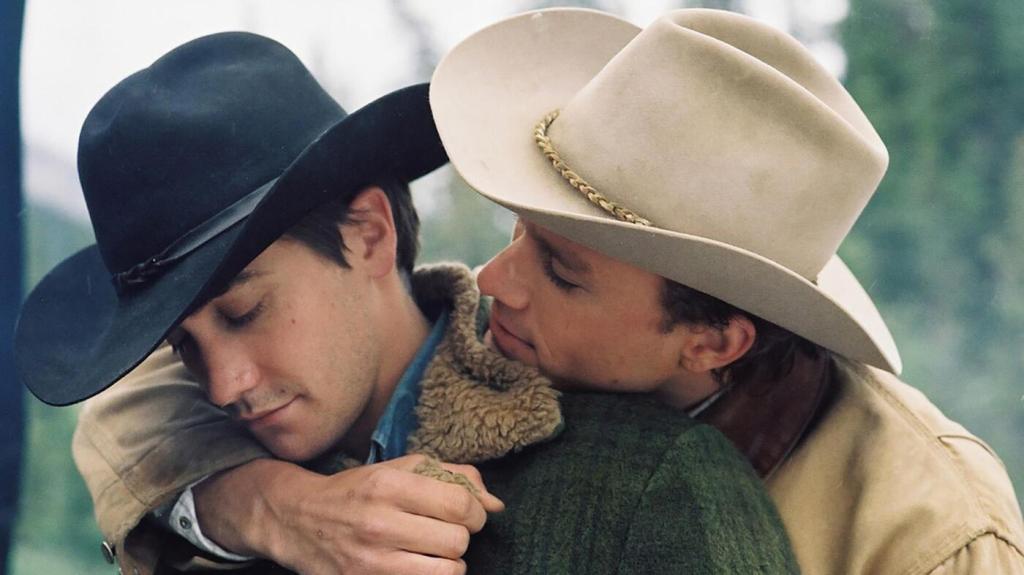
Director Ang Lee’s adaptation of an Annie Proulx short story made Hollywood history as the mainstream’s first major romantic tragedy centered on queer male love, but Brokeback Mountain also happens to be deeply affecting apart from its cultural significance. Jake Gyllenhaal is Jack and Heath Ledger is Ennis, two rugged, hardworking ranch-hands who first hook up on a cold Wyoming night in 1963. While they carve out ostensibly heterosexual lives by marrying their respective girlfriends (Anne Hathaway and Michelle Williams), the men maintain a clandestine affair amid the pervasive homophobia of the time. The movie’s four principals are magnificent; Lee’s direction is sublime. “Brokeback Mountain is ultimately not about sex (there is very little of it in the film) but about love: love stumbled into, love thwarted, love held sorrowfully in the heart,” critic Stephen Holden wrote in The New York Times. In one of the Academy Awards’ most notoriously boneheaded moves, Brokeback Mountain lost out to Crash for Best Picture that year.
5. Roman Holiday (1953, dir: William Wyler)
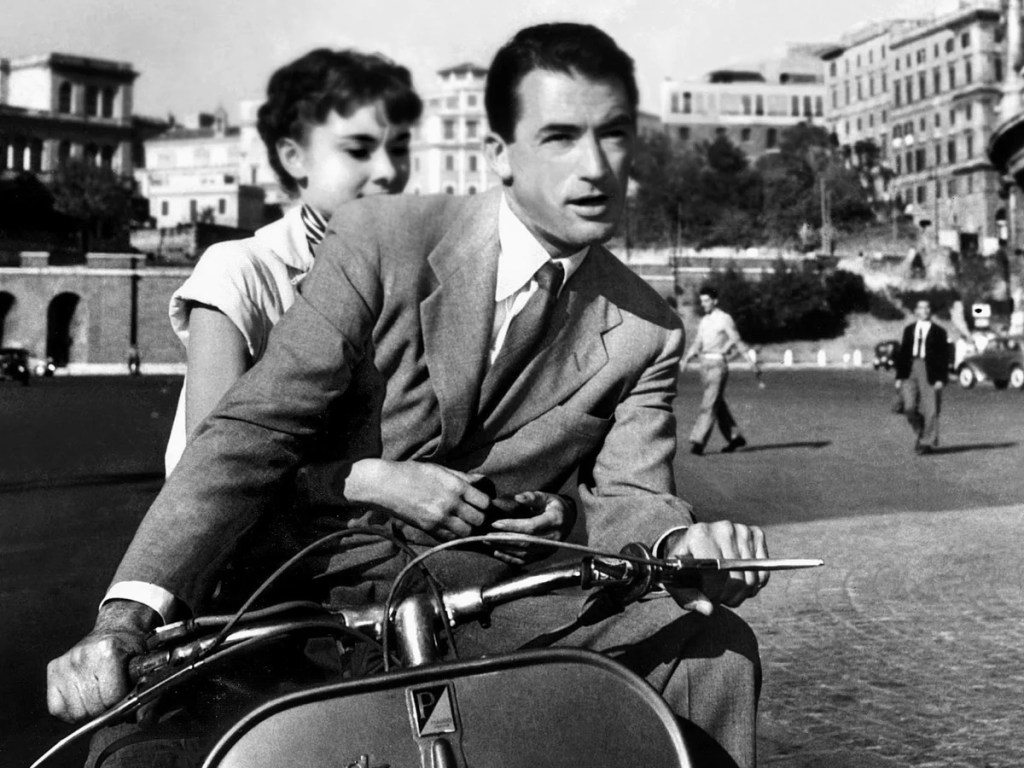
Dalton Trumbo said the idea for Roman Holiday was inspired by Princess Margaret’s early-1950s romance with Peter Townsend. In the screenplay’s reimagining, Audrey Hepburn is Princess Ann and her suitor is square-jawed Gregory Peck as Joe Bradley. An American reporter stationed in Rome, Joe stumbles onto a potential scoop when he catches the princess playing hooky from her regal responsibilities. Both conceal their identities from each other and set out for an adventure in Rome, certainly one of the best places for falling in love. And that’s exactly what happens to the princess and the journalist. Alas, duty to country trumps duty to heart, leading to a final scene that author Esther Zuckerman, in Falling in Love at the Movies: Rom-Coms from the Screwball Era to Today, likened to “an elegantly delivered punch to the gut. It’s gorgeous, but brutal, and thoroughly necessary.” The picture made Hepburn an international sensation and a Best Actress Oscar winner. The chemistry between her and Peck feels genuine. Gossip rags at the time claimed they had an affair during the shoot. Peck only offered years later that Roman Holiday “was the happiest experience I ever had on a movie set.”
4. Before Sunset (2004, dir: Richard Linklater)
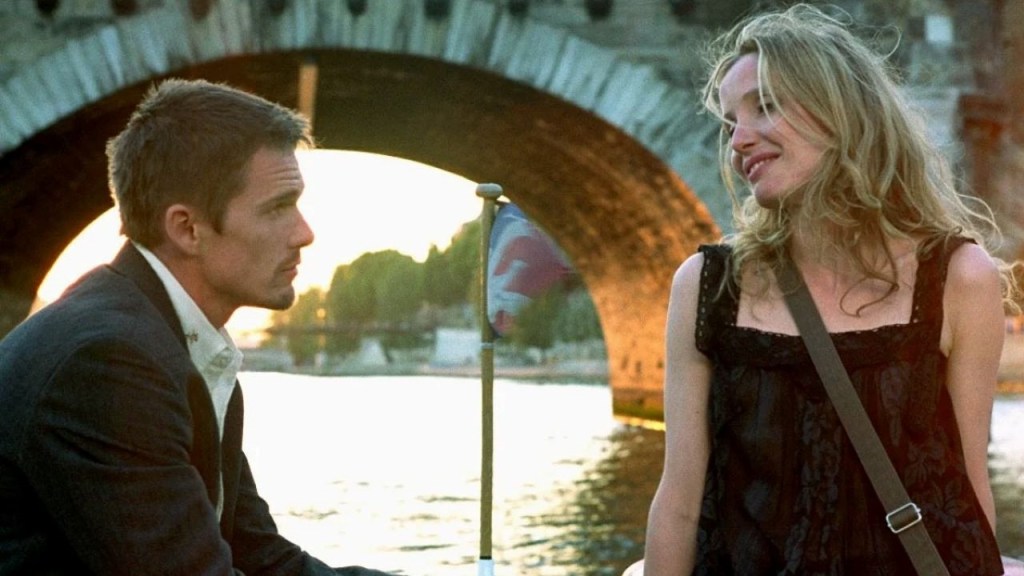
Unconventional by Hollywood standards, Richard Linklater’s trilogy of Before Sunrise, Before Sunset and Before Midnight bubbles over with talk—incisive, clever and burgeoning with ideas; diehard fans of this beloved series cherish each loquacious installment. For me, Before Sunset resonates most. Ethan Hawke and Julie Delpy (they share screenwriting credit with Linklater) reprise their roles as Jesse and Céline, the characters who in Before Sunrise (1995) fell in love over a momentous night in Vienna. Nine years have passed for Before Sunset, the two having gone their separate ways. Jesse is a writer living in the U.S. with his wife and child; Céline is an environmental activist in her native France and in a relationship of her own. They reunite when Jesse visits Paris on a book-signing tour. They take a languorous stroll around the city and realize time hasn’t dimmed their connection at all. Before Midnight (2013) does a respectable-enough job checking in with the now-married Jesse and Céline, but that third (final?) installment cannot help but pale beside its predecessors.
3. Annie Hall (1977, dir: Woody Allen)
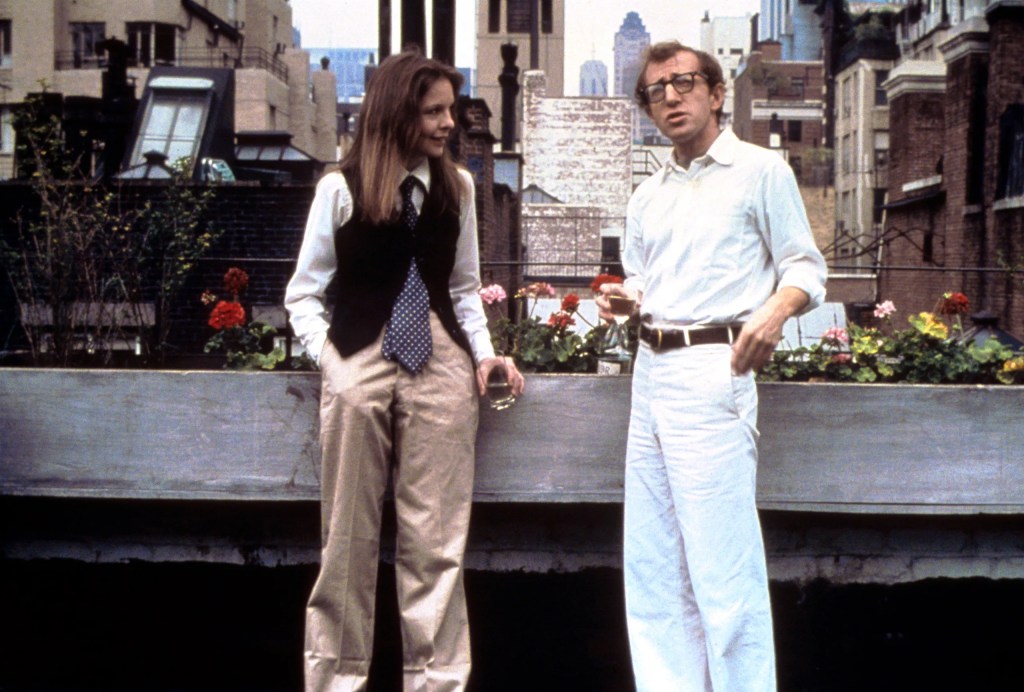
The plot of this Best Picture Oscar winner isn’t particularly off-the-charts creative. Boy meets girl—or, at least neurotic man meets neurotic woman—then loses girl. Complications ensue: breakups, reconciliations, whatnot. On that broad canvas, writer-director Woody Allen and co-writer Marshall Brickman construct a meta delight that not only skirts that fourth wall, it smashes it. In the editing room, the filmmakers saw that a compelling romantic comedy was emerging from what they thought was a comedy about a man’s midlife crisis. In fact, the picture’s original title was Anhedonia, the inability to experience pleasure. That condition describes Alvy Singer, played by Allen, who routinely addresses the audience to comment on the proceedings, whether it’s a Freudian slip from Annie (Diane Keaton) or, famously, reacting to the pretentiousness of a college professor behind him at a movie theater. Annie Hall is a confection of flashbacks and fantasies. Keaton, whose relationship with Allen had ended long before the movie was shot, rightly earned an Oscar. Allen wrote the part for her, although Annie was more of a composite of his ex-girlfriends. In its impressionistic, marvelously nonlinear narrative, the film presents a smart, urbane and flawed couple doing the best they can––or, at least, the best they are willing to give. Annie Hall also boasts one of Allen’s best-ever ensembles, including Tony Roberts, Janet Margolin, Carol Kane, Shelley Duvall and an especially memorable Christopher Walken. Blink and you’ll miss Jeff Goldblum.
2. When Harry Met Sally… (1989, dir: Rob Reiner)
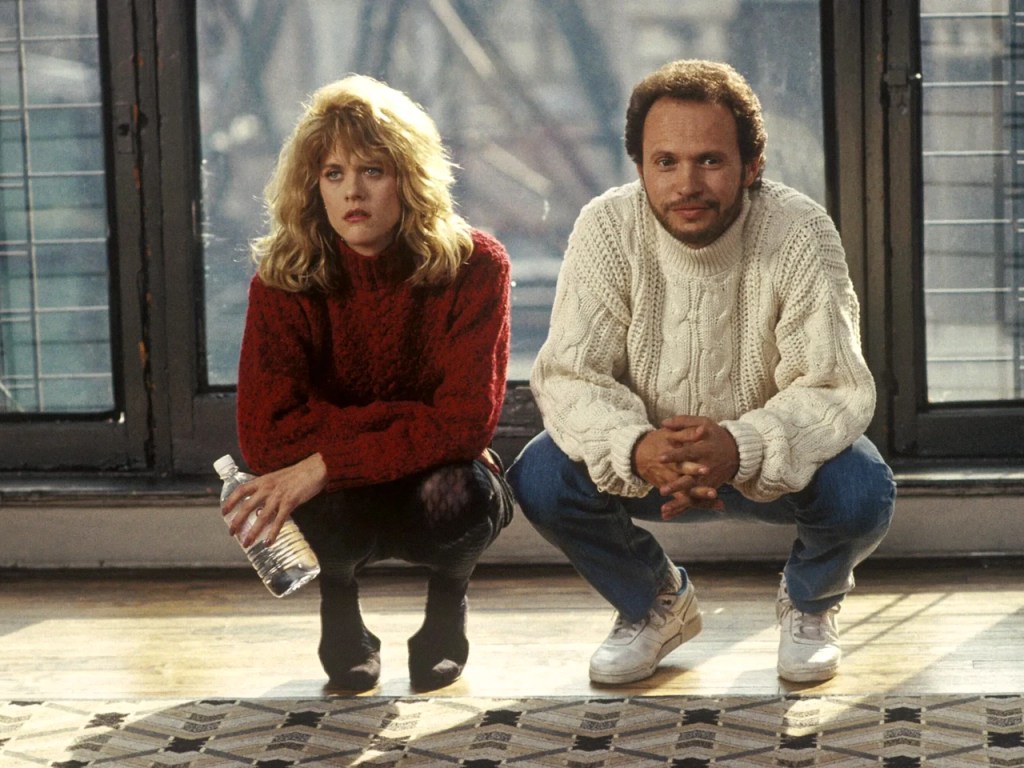
There’s a good case to be made that When Harry Met Sally… is the best romantic comedy of all time. Nora Ephron’s charming and funny script is an insightful window to how men and women approach love and friendship. As strong as the Oscar-nominated screenplay is, however, this friends-to-lovers odyssey boasts everyone at the top of their game, from Rob Reiner’s assured direction to Billy Crystal as prickly but funny Harry Burns and Meg Ryan as plucky but uptight Sally Albright. Crystal lacks the chops to fully make you forget he’s Billy Crystal, but he adds a shade of brooding misanthropy to Harry. Ryan is a revelation in a breakthrough performance. Her celebrated orgasm-at-Katz’s Deli scene alone is worth the price of admission. When Harry Met Sally… scores for its urbane flavor, hyper-verbal characters and travelogue of New York’s most scenic locales, but its endurance as a romcom masterpiece is rooted in its emotional honesty. No wonder such concepts as “high maintenance” and “transitional person,” terms introduced in the picture, have long since entered the collective consciousness. Oh, and it’s also damn romantic, as evidenced by Harry’s terrific line to Sally: “I came here tonight because when you realize you want to spend the rest of your life with somebody, you want the rest of your life to start as soon as possible.” Throat, meet lump.
1. Casablanca (1942, dir: Michael Curtiz)
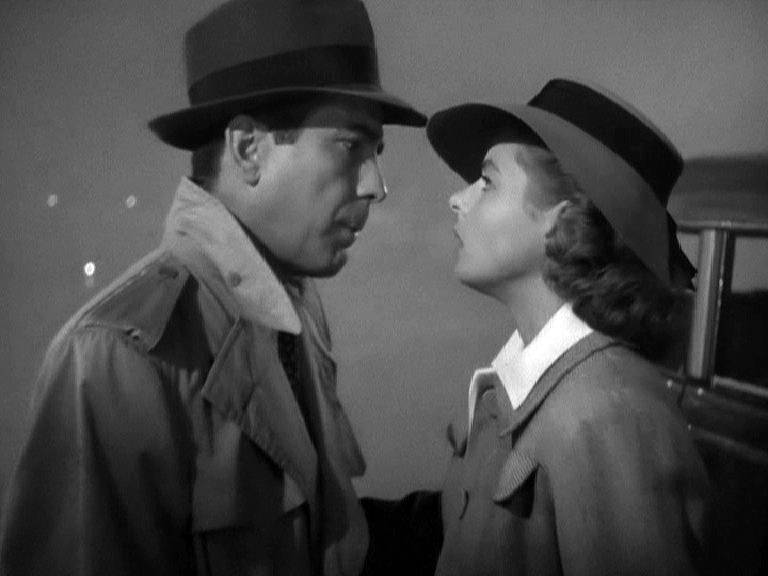
C’mon, like this wouldn’t be here? The Warner Brothers movie machine was humming along at full steam for this Best Picture Oscar winner and undisputed classic.Casablanca has it all: geopolitical intrigue, suspense, comedy and a murderer’s row of character actors that include Claude Rains, Peter Lorre, Conrad Veidt and Sydney Greenstreet. Most of all, it has the sort of potent love triangle that moviegoers have long found irresistible. Humphrey Bogart had the role of a lifetime as Rick Blaine, a world-weary cynic whose Casablanca nightclub is the focal point for every desperate personality wasting away in German-occupied Morocco. One night Rick’s ex-flame, Ilsa Lund (a luminous Ingrid Bergman), saunters into Rick’s Cafe American with her husband, the renowned ant-fascist freedom fighter Victor Lazslo (Paul Henreid). So begins a tug-of-war over whether Rick will sacrifice his personal happiness for the good of Nazi-hating mankind. Bogie wasn’t comfortable with his big foray into being the romantic lead, but you wouldn’t know it. Casablanca is the ultimate tale of love and sacrifice, and how the yearnings of two people don’t amount to a hill of beans when, f’r instance, the free world hangs in the balance. “What it’s saying is that normally love should find its way, but not when the world is in crisis. And it means it,” film scholar Richard Schickel writes in Keepers: The Greatest Films – and Personal Favorites – of a Moviegoing Lifetime. “Or it means it long enough for us to accept the possibility that every once in a while people can act out of their better natures. Even today the film can persuade us of this frankly dubious proposition.”
Honorable mention: Brief Encounter (1945, dir: David Lean), Broken Blossoms (1919, dir: D.W. Griffith), Comrades, Almost a Love Story (1996, dir: Peter Chan Ho-Sun), Dirty Dancing (1987, dir: Emile Ardolino), Fallen Leaves (2023, dir: Aki Kaurismäki), In the Mood for Love (2000, dir: Wong Kar-Wai), Jerry Maguire (1996, dir: Cameron Crowe), The Lady Eve (1941, dir: Preston Sturges), Moonstruck (1987, dir: Norman Jewison), The Remains of the Day (1993, dir: James Ivory), Sabrina (1954, dir: Billy Wilder), 7th Heaven (1927, dir: Frank Borzage), Something’s Gotta Give (2003, dir: Nancy Meyers), The Way We Were (1973, dir: Sydney Pollack), You’ve Got Mail (1998, dir: Nora Ephron)
 Cutting to the Chase with Phil Bacharach