Handwringing over Hollywood is as old as Hollywood itself. In 1930, the movie studios acquiesced to religious and civic organizations, and they promised to clean up their act. The Motion Picture Producers and Distributors of America (MPPDA), under the leadership of former U.S. Postmaster General Will H. Hays, established the Motion Picture Production Code to set clear parameters of what was and was not kosher in American movies. No explicit sexuality. No immoral behavior without consequences. No excessive violence. No drug use. No mocking of hallowed American institutions.

And that was that. Filmmakers paid little attention to the code, viewing it more as a suggestion than as directives. But pressure continued to mount, and the industry finally caved. Beginning July 1, 1934, the Production Code had teeth. No film could be released without a certificate of approval from the MPPDA’s Production Code Administration, headed by Joseph Breen. Screenplays had to be vetted and objectionable material cut if Hollywood wanted to get its wares into moviehouses.
But that Pre-Code era, roughly between 1930 and 1934, is vivid proof that Americans were not the puritanical prudes that Hays, Breen and their ilk imagined. Promiscuity, prostitution, abortion, infidelity and drug use all existed. Sometimes criminals, particularly gangsters who had prospered during Prohibition, lived the high life without reprisal. There was homosexuality, interracial love, even sexually assertive women who pursued what they wanted. And the mightiest institutions––government, the church, marriage––were subject to scrutiny.
In other words, Pre-Code movies can be a lot of fun. Here are my picks for 20 of the best.
20. Cleopatra (1934, dir. Cecil B. DeMille)
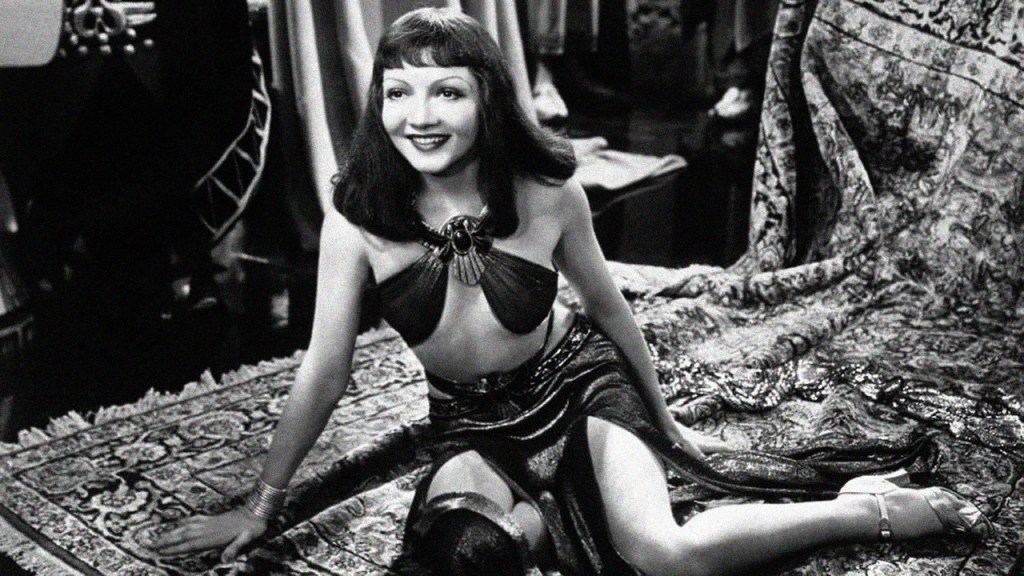
This silly, historically inaccurate take on the legendary Egyptian queen is a far cry from the 1963 epic that nearly bankrupted 20th Century Fox. Cecil B. DeMille’s Cleopatra is a hoot, all sex and vivaciousness and the director’s trademark excess. As the titular character, Claudette Colbert is more coquette than ruler, first with Julius Caesar (Warren William) and later Mark Antony (Henry Wilcoxon). While technically released just months before strict enforcement of the Production Code began, its pervasive sensuality surely gave the Hays Office conniptions.
19. Blonde Venus (1932, dir. Josef von Sternberg)
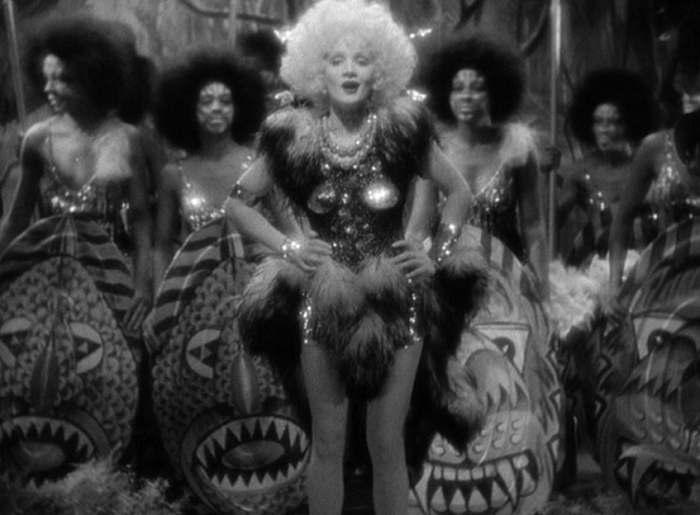
Josef von Sternberg always took care to light his onscreen and offscreen muse, Marlene Dietrich (see #15’s Shanghai Express) to perfection, even when the German-born beauty was just aping around. As nightclub performer Helen Faraday, Dietrich steps out of a gorilla costume to reveal herself in a tight, shimmering dress and platinum blonde wig. She then performs “Hot Voodoo” in a stage show loaded with appallingly inappropriate cultural stereotypes. The remainder of Blonde Venus can’t hope to rival that weirdness, but Dietrich’s sex appeal practically smolders through the celluloid. “A little of you is worth a lifetime with any other woman,” she is told by Nick (Cary Grant in an early performance), Helen’s illicit lover. The wife and mother takes up with Nick to help pay for her husband’s medical treatment for radium poisoning. Herbert Marshall plays the cuckold, but he landed a more fun role later in 1932 (see #1).
18. The Story of Temple Drake (1933, dir. Stephen Roberts)
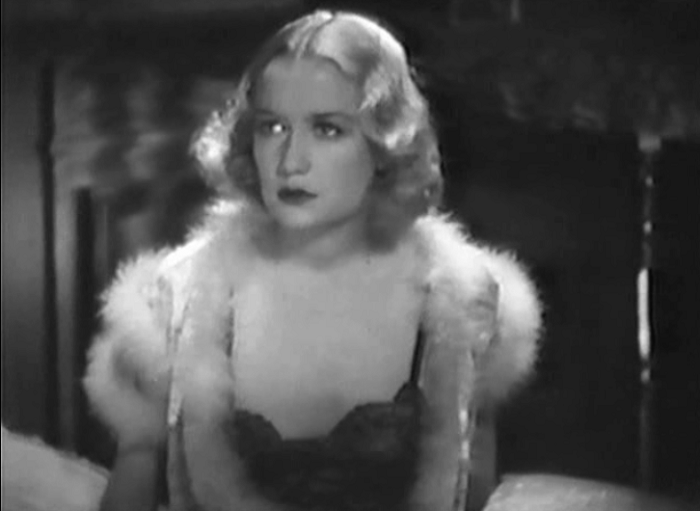
This adaptation of William Faulkner’s controversial novel Sanctuary revels in its tawdriness—so much so that it became one of the final straws prompting enforcement of the Production Code. There’s nothing trashy about Miriam Hopkins’ performance, however. She is extraordinary here. The daughter of a respectable Southern judge, Temple Drake is a party girl and a flirt whose world spirals out of control after a drunk-driving accident puts her in the company of unsavory bootleggers and gangsters. Temple is raped, then trafficked into a life of prostitution. Only later, after she is able to return to her family, does Temple face a moral dilemma in which she must choose between admitting her dark ordeal or letting a bad man go to the electric chair for a crime he did not commit. Paramount virtually ignored the Hays Office during the making. Hays himself wasn’t amused. “We must not allow the production of a picture that will offend every right-thinking person who sees it,” he wrote.
17. The Public Enemy (1931, dir. William A. Wellman)
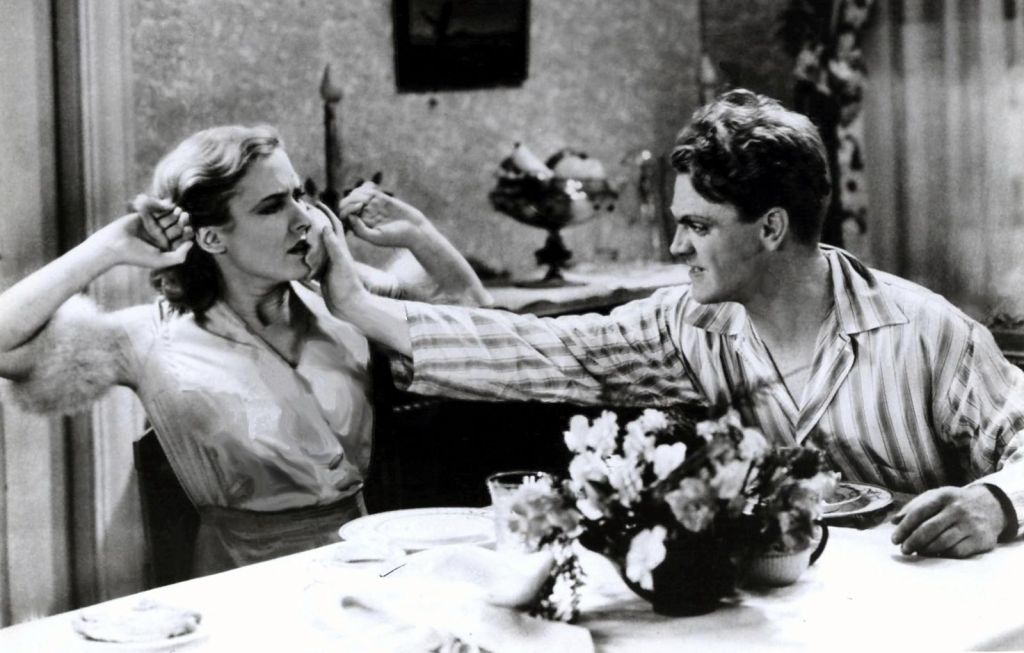
The Public Enemy codified the Warner Bros. gangster flick and catapulted James Cagney to superstardom. Producer Daryl F. Zanuck, who came up with the story idea, told director William Wellman he wanted no sentimentality and no character to have even a whiff of morality. Sure enough, The Public Enemy racked up complaints from organizations such as the Daughters of the American Revolution, the Veterans of Foreign Wars and the National Federation of Men’s Bible Classes. While the film’s violence, shocking in 1931, may feel dated to modern audiences, a notable exception is when Cagney, as mobster Tom Powers, smashes a grapefruit in the face of his girlfriend (Mae Clarke). The actress rued years later that the action overshadowed her entire career. Cagney is electrifying. He actually had been cast as Tom’s best friend, with Edward Woods to play the lead. But it quickly became clear that Cagney’s magnetism could not be contained, and Wellman switched the roles.
16. The Bitter Tea of General Yen (1932, dir. Frank Capra)
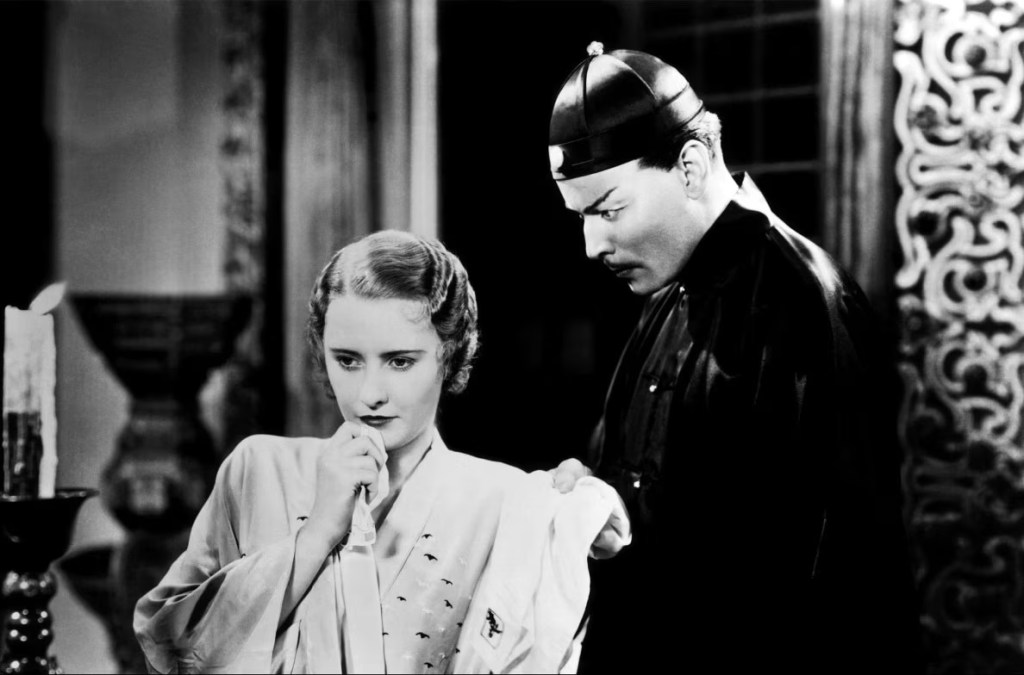
Set amid the Chinese Civil War, The Bitter Tea of General Yen features Barbara Stanwyck as Megan, an American missionary newly arrived in Shanghai to wed her fiancé. Before the nuptials, however, they get caught up in the conflict and are separated. Megan lands in the care of General Yen (Nils Asther), a severe warlord who falls for the blonde beauty. Frank Capra’s exotic melodrama is an odd (Peking) duck of a film. It is ostensibly an admonishment of racism that does so by exoticizing interracial desire, which, by the way, was still illegal in some 30 states when the movie opened in New York. Audiences stayed away, and the picture left Radio City Music Hall a week early. The film has some difficult elements when evaluated in the 21st century, particularly its use of non-Asian actors as Chinese characters. Accepted norms change, and The Bitter Tea of General Yen certainly strives for an ideal uncommon for its era.
15. Shanghai Express (1932, dir. Josef von Sternberg)
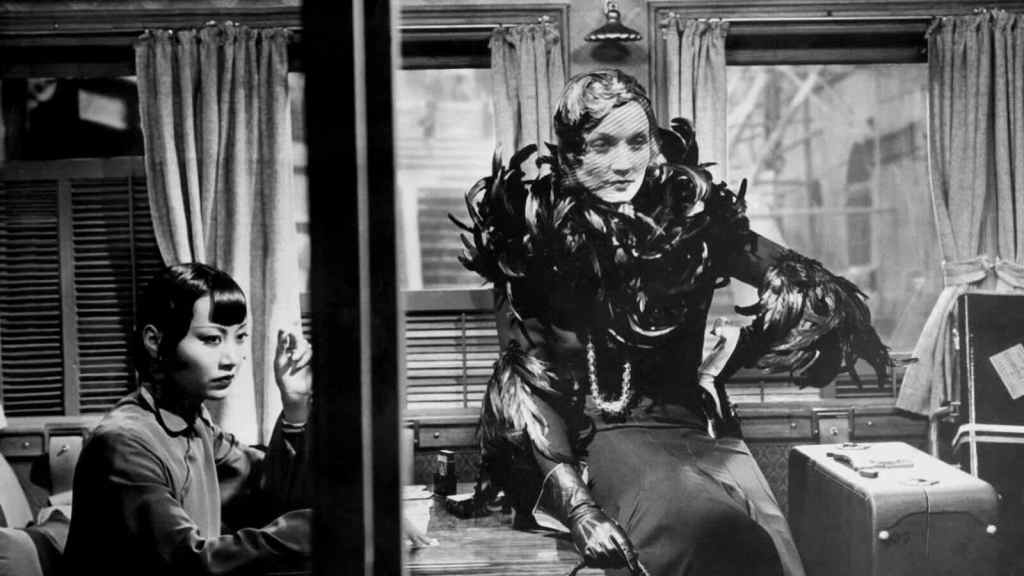
Josef von Sternberg knew how to make the camera love Marlene Dietrich. Among the most visually lush movies of the Pre-Code era, Shanghai Express features Dietrich at her most bewitching as Madeline, an infamous prostitute better known as “Shanghai Lily.” Just how did you get that nickname?, asks her ex-lover, a British army surgeon played by Clive Brook (in a wooden performance of extraordinary proportions). “It took more than one man to change my name to Shanghai Lily,” is her cagey reply. Anna May Wong and Warner Oland have memorable supporting turns in this tale of rape and murder amid the Chinese Civil War. In spite of such a lurid plot, however, the main attraction is Dietrich herself and the evocative cinematography of Lee Garmes, who earned an Oscar for his work. Film scholar David Thomson has called the film “still a monument of erotic art.” Von Sternberg’s gaze makes love to Dietrich. We, the audience, are invited to watch.
14. Red Dust (1932, dir. Victor Fleming)
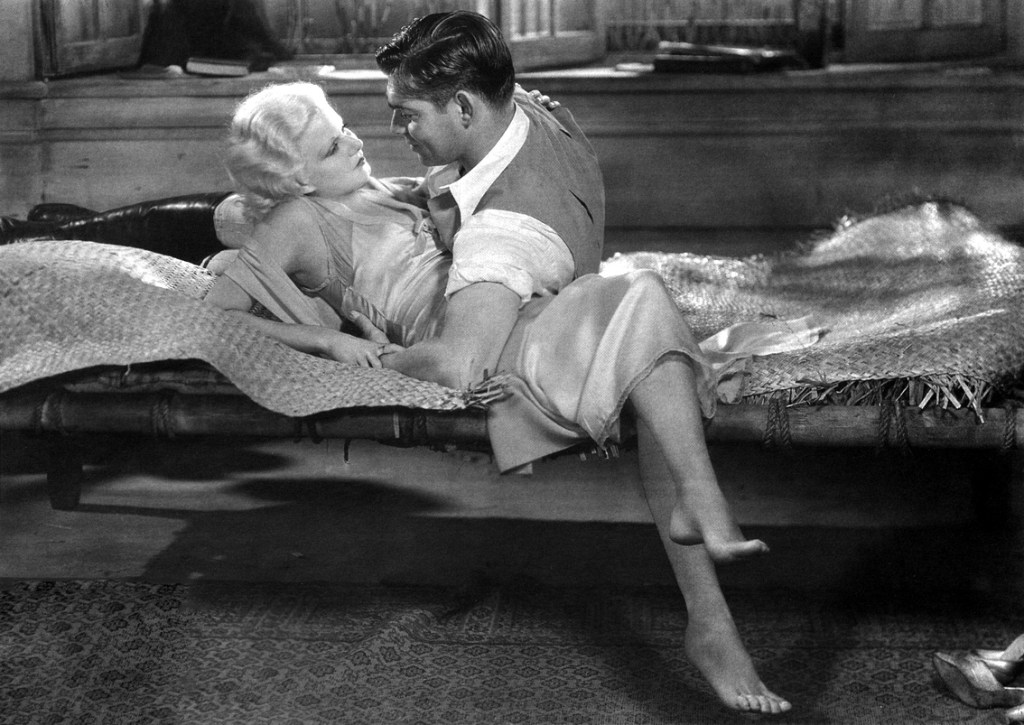
Clark Gable is at his most unlikable as Dennis Carson, a self-involved pig of a rubber plantation manager in French Indochina whose off-hours are spent bedding sex worker Vantine Jefferson (Jean Harlow). That convenient state of affairs for Dennis is upended with the arrival of Gary and Barbara Willis (Gene Raymond and Mary Astor), a husband-and-wife engineering team. When Gary takes ill, Dennis wastes no time seducing the ostensibly prim Barbara, rankling Vantine in the process. The steamy tropical setting––MGM staff even released swarms of moths on set to heighten the humid rainforest atmosphere––is reflected in the steaminess of the love triangle. Red Dust was the second of six films that Gable and Harlow made together as co-stars. Even viewed through a contemporary prism, Red Dust is still hot stuff. Dennis and Barbara’s tryst during a tropical storm remains one of moviedom’s great erotic scenes.
13. Female (1933, dir. Michael Curtiz)
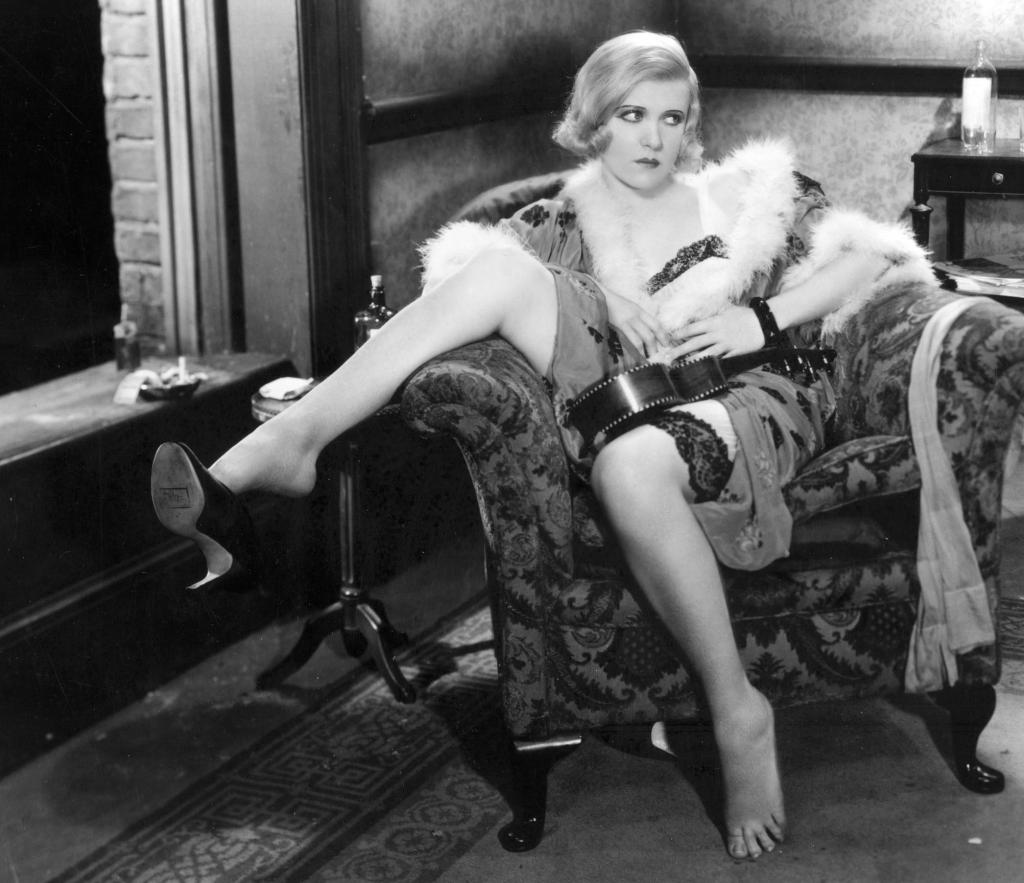
The car-manufacturing magnate at the center of Female is one tough cookie, a take-no-prisoners mogul by day and take-no-guff seductress by night. That, in a nutshell, sums up this comic gem starring Ruth Chatterton. Strong-willed Alison Drake commands the boardroom as well as the bedroom. Come evening, she lures handsome male employees to her mansion under the auspices of discussing business, only to turn them into her playthings, with the help of her wiles and generous quantities of vodka. The conquests are short-lived. The boy toys invariably profess their love to her the following morning, but Alison has none of it. “To me, a woman in love is a pathetic spectacle,” she says. That stance is tested when she falls for George Brent as a newly hired engineer. Screenwriter Gene Markey, who also penned Baby Face (see #6), blends sophistication with bawdiness, and Chatterton does a bold, sexy turn.
12. Scarface: The Shame of a Nation (1932, dir. Howard Hawks)
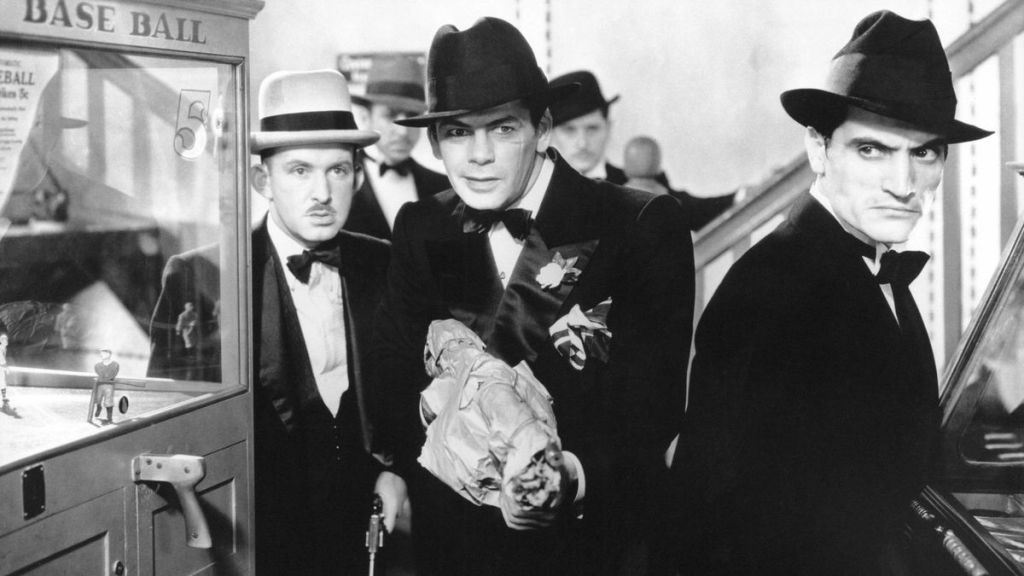
Paul Muni was the era’s most chameleon-like actor, but there was no mistaking the inspiration for his character in Scarface: The Shame of a Nation. His Tony Camonte was a thinly veiled riff on Chicago mobster “Scarface” Al Capone, who by 1932 was cooling his heels in prison for tax evasion. Tame by today’s standards, Scarface’s tommygun-riddled violence delighted moviegoers who couldn’t get enough gangster flicks. Business tycoon Howard Hughes, who produced the picture, demanded that Howard Hawks deliver the genre goods. “Screw the Hays office,” Hughes wrote the director. “Start the picture and make it as realistic, as exciting, as grisly as possible.” And the cherry on top? Our bad guy is pathologically protective of his kid sister, played by Ann Dvorak, when she takes up with his coin-flipping second-in-command (George Raft). Tony’s obsessiveness borders on incestuous longing—subtext that director Brian De Palma brought to the fore in his 1980 remake.
11. Three on a Match (1932, dir. Mervyn LeRoy)
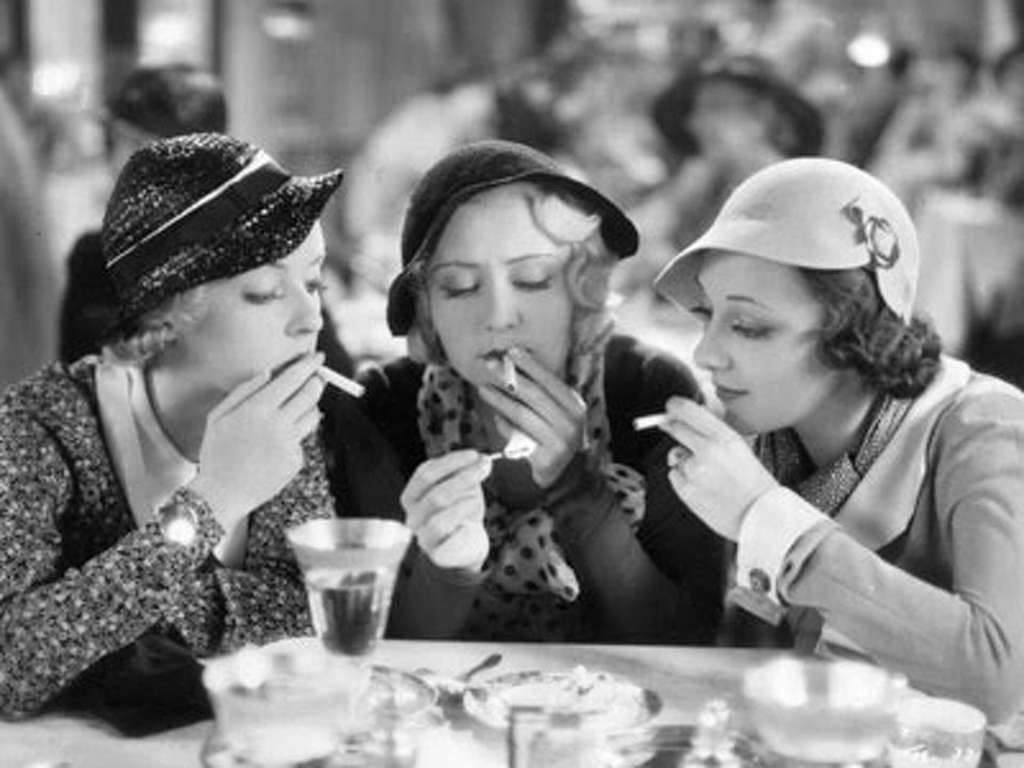
This fast-paced melodrama is packed with promiscuity, alcoholism, drug use, crime, and even a little boy in peril. It’s tawdry and unsubtle, but director Mervyn LeRoy’s hammer-and-tongs approach keeps things humming. We follow three young women who have been friends since grade school. Ruth (Bette Davis) is a stenographer, while Mary (Joan Blondell) has gone from reform-school bad girl to wisecracking chorus girl with a heart of gold. Then there is Vivian (Ann Dvorak), a popular and pretty childhood friend now the bored, restless wife of a prominent attorney. “Somehow the thing that makes other people happy leaves me cold,” she confides to her friends. Soon thereafter, Vivian takes up with a smooth-talking ladies’ man (Lyle Talbot) and dives headfirst into moral turpitude. Dvorak’s descent is too over the top to be anything but mesmerizing. The movie’s underlying message appears to be that Mary’s adult levelheadedness is the result of having gotten her youthful naughtiness out of her system. Conversely, repressed “good girl” Vivian turns into a no-good tramp the minute she gets a taste of the wild side. How’d you like them apples, Will Hays?
10. Grand Hotel (1932, dir. Edmund Goulding)
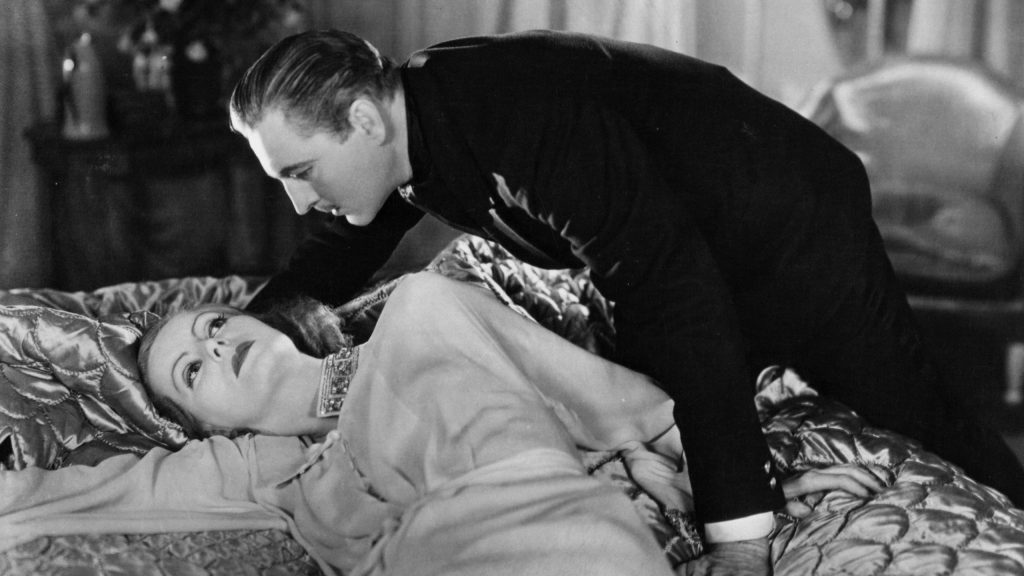
MGM’s marketing department promised moviegoers “more stars than there are in heaven,” and they proved it by doling out some serious dollars for this all-star ensemble. Based on a 1929 novel and stage play by Vicki Baum, a former hotel chambermaid who drew upon her professional experiences, Grand Hotel conjures up a posh Berlin hotel rife with boudoir intrigue. John Barrymore is a down-on-his-luck baron scheming to steal jewels from Greta Garbo’s disillusioned star ballerina. Wallace Beery is a pompous industrialist desperate to salvage an important business deal, but he makes time to try making time with Joan Crawford as his fetching stenographer. Rounding out the cast is Lionel Barrymore as a mild-mannered, terminally ill accountant splurging on one final extravagance before he’s gone. Garbo almost refused to do the picture when the studio declined to cast her offscreen lover, John Gilbert. Fortunately, she and John Barrymore found a quick chemistry, and Grand Hotel gave the famously reclusive Garbo her infamous “I want to be alone” line. The picture netted only one Academy Award nomination, but it was a biggie, winning Best Picture.
9. Design for Living (1933, dir. Ernst Lubitsch)
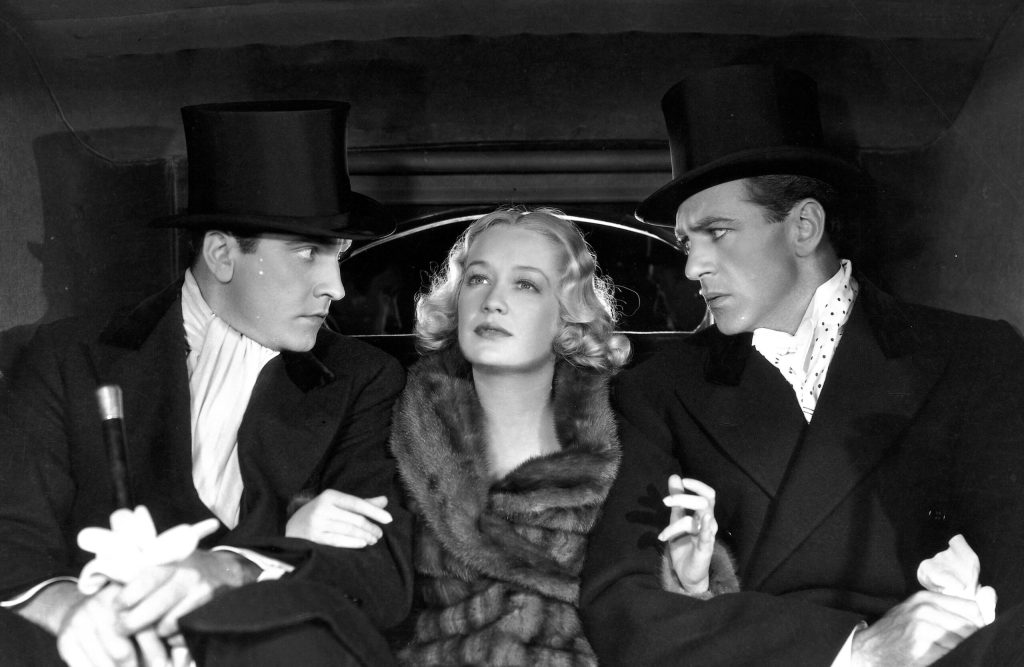
If the studios had been paying much attention to the Production Code, it’s unlikely Paramount would have greenlit a film about a ménage à trois. Then again, you never knew what would pass muster with censors when it involved the moviemaker whose “Lubitsch touch” could win over even the most priggish pearl-clutcher. Design for Living, Ernst Lubitsch’s spunky adaptation of Noël Coward’s play, written by Ben Hecht, explores a love triangle when Gilda (Miriam Hopkins), a free-spirited illustrator for an advertising firm, meets two penniless creative types: starving artist George (Gary Cooper) and starving playwright Tom (Fredric March). Why choose one? Things invariably get messy with jealousies and resentments. “It’s true we had a gentleman’s agreement,” Gilda tells them, “but unfortunately, I am no gentleman.” The romantic comedy is fizzy, funny and sophisticated––though not enough to prevent it from running afoul of the Catholic Legion of Decency.
8. Gold Diggers of 1933 (1933, dir. Mervyn LeRoy)
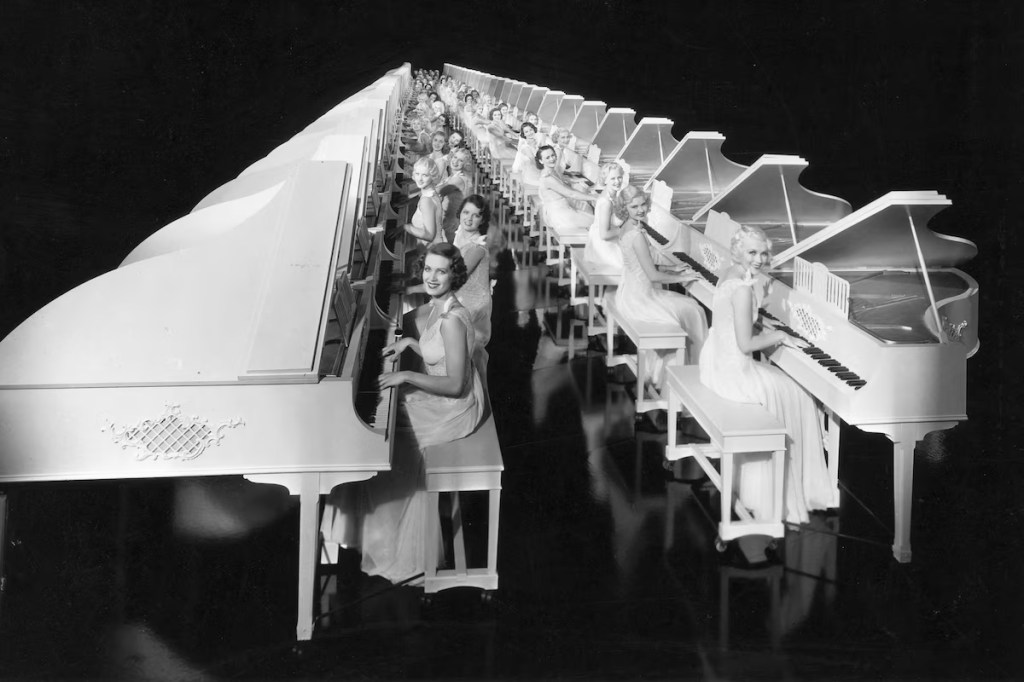
Launched with 42nd Street, the Warner Bros. backstage musicals of the early 1930s followed a general checklist: struggling chorus girls; a cigar-chomping, ulcer-ridden producer; romance between two sweet, apple-cheeked (as apple-cheeked as possible in black and white) kids, some sex appeal and racy double entendres and catchy tunes. Mervyn LeRoy’s Gold Diggers of 1933 has it all. Its opening is a riot, with Ginger Rogers singing “We’re in the Money,” complete with a brief—and slightly surreal—aside in Pig Latin. Ruby Keeler and Dick Powell are the requisite straightlaced innocents in love. Busby Berkeley’s kaleidoscopic dance numbers are terrific eye candy; standout songs include “Pettin’ in the Park,” replete with chorus girls clad in tin bras, and the Depression-era social consciousness of the closer, “Remembering My Forgotten Man.” The movie was among the first in which Hollywood modified several versions for distribution to specific regions of the country in an effort to get around notoriously scissors-happy censors.
7. Freaks (1932, dir. Tod Browning)
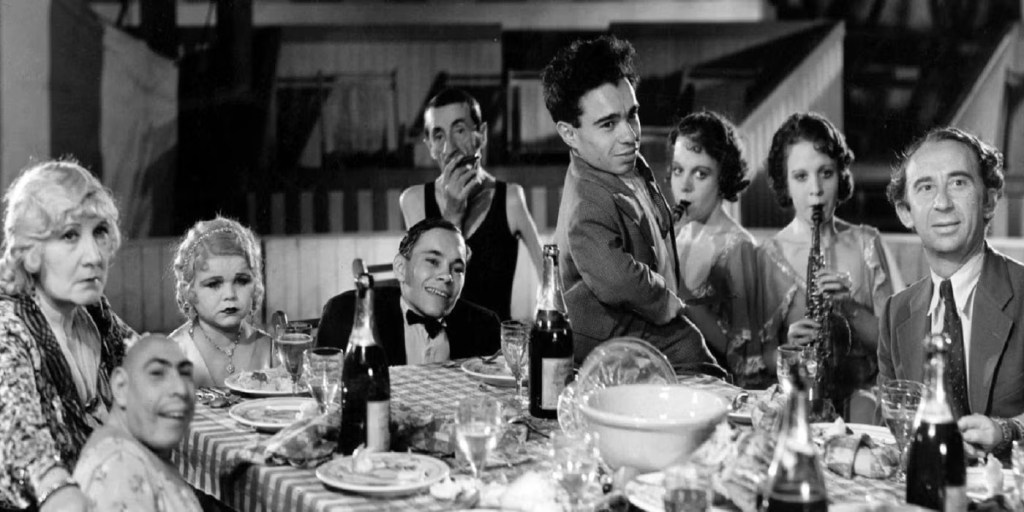
When it came time for MGM to compete with the profitable monster movies that Universal was cranking out, MGM wunderkind executive Irving Thalberg turned to the man who had helmed Dracula. Director Tod Browning, who as a youth had worked in a traveling carnival, seemed ideal for a macabre tale about sideshow attractions who befriend, then enact a monstrous comeuppance on, a golddigging floozy. Browning filled Freaks with real-life carnival acts, from Prince “the Living Torso” Randian to conjoined twins Daisy and Violet Hilton. MGM leadership treated the performers shabbily, denying them entry to the studio commissary. To call Freaks problematic is an understatement; its cast of sideshow acts largely accounts for the film’s enduring cult status. If you find that morbid curiosity to be indecent in the 21st century, rest assured that it was equally controversial upon its release in 1932. Moviegoers fled an early test screening, with one audience member later claiming the film induced her miscarriage. The movie that the Los Angeles Times called more “revolting” than frightening was banned in such cities as San Francisco and Atlanta. Be that as it may, the ending scenes are spectacularly unsettling.
6. Baby Face (1933, dir. Alfred E. Green)
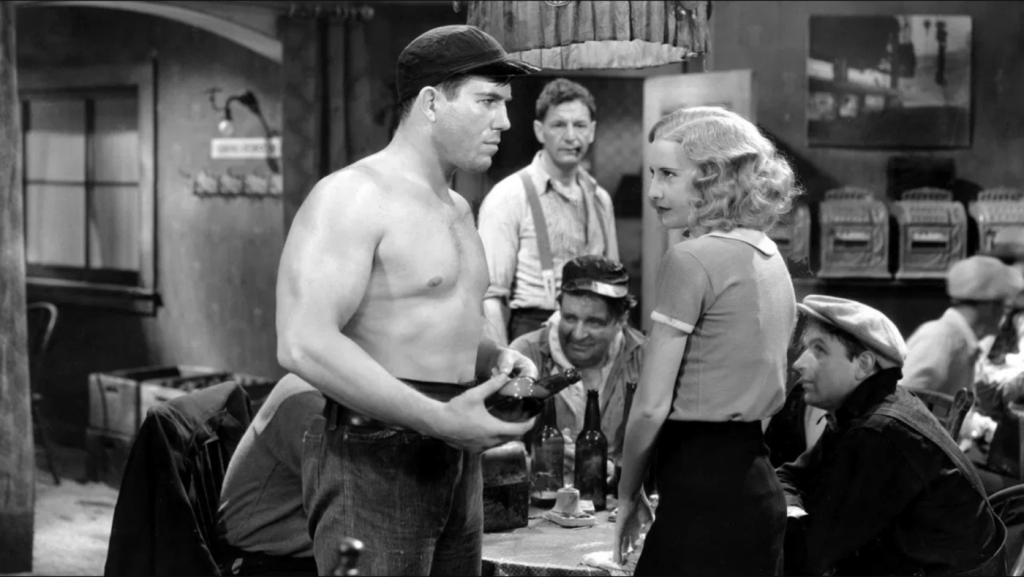
Barbara Stanwyck brings the heat to Baby Face, a slice of quintessential Pre-Code sordidness. Stanwyck’s Lily leaves home after the death of the no-good father who had pimped her out to speakeasy customers since she was 14. After a helpful cobbler and Nietzsche fan (Alphonse Ethier) advises her to use sex to get what she wants, Lily hightails it to the big city, where she deploys her feminine wiles to flit from rich man to even richer man. Morality in Baby Face has the relevance of a pastrami sandwich. “She had it and made it pay,” proclaimed the movie’s tagline. Liberty magazine was untroubled by Lily’s use of “it,” enthusing, “Three cheers for Sin! If you don’t think it pays, get a load of Barbara Stanwyck as she sins her way to the top floor of Manhattan’s swellest bank!” Censors in Ohio and Virginia were not amused. They banned the picture, which became a key catalyst that ultimately convinced the studios to enforce the Production Code. Even now, the no-holds-barred bad behavior of Baby Face can still shock.
5. Night Nurse (1931, dir. William A. Wellman)
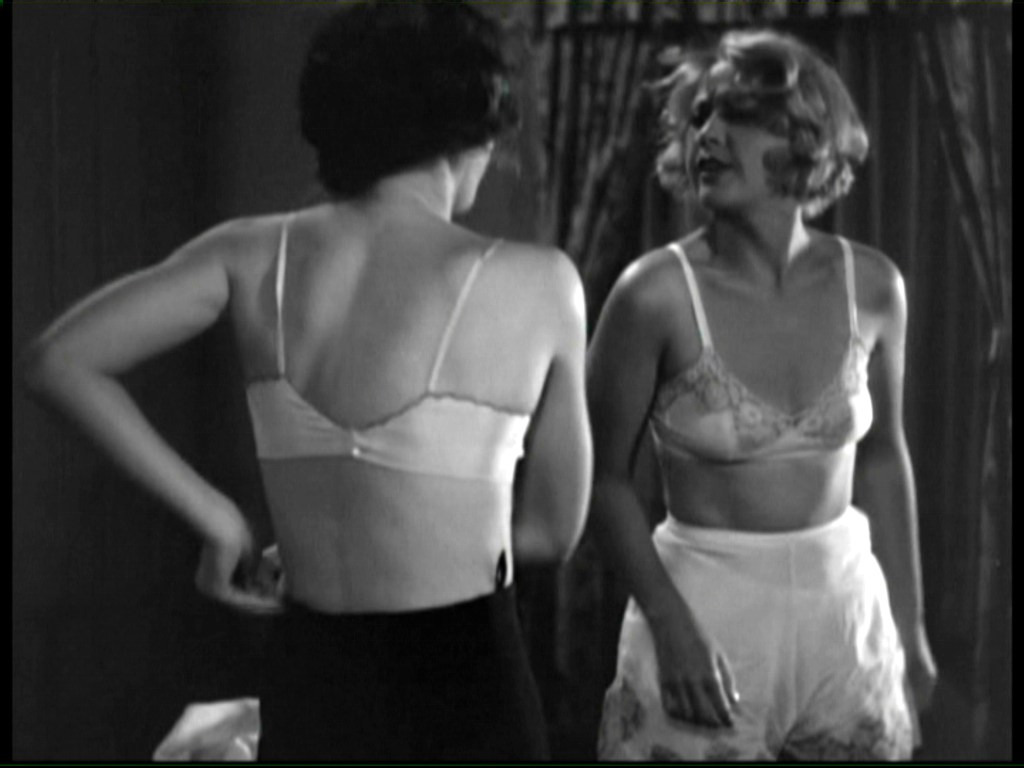
The gloriously lurid Night Nurse envisions a world seedy enough to make most film noirs look like Mother Goose outings. Barbara Stanwyck is in top form as dedicated hospital nurse Lora Hart. That’s about all we need to know. She’s pretty, strong-willed and often needs to disrobe. For that latter task, she is often joined by scene-stealing Joan Blondell as Lora’s wisecracking roommate. Eventually, the gals become in-home nurses for two kids apparently dying of malnourishment. The children’s mother (Charlotte Merriam) is a drunken floozy entwined in an unsavory relationship with her vicious lug of a chauffeur (Clark Gable). As for the sick kids, they are receiving shamelessly incompetent treatment from a twitchy doctor (Ralf Harolde) whose career counseling to Lora includes such nuggets as “the successful nurse is the one who keeps her mouth shut.” Beginning with an opening shot from the point of view of an ambulance barreling toward the hospital, the film’s dynamic visual flair was rare among early talkies. Gable makes a properly menacing heavy. “It was Gable who brought the crowds to see Night Nurse,” Stanwyck said later. “The public couldn’t get enough of him.”
4. Dinner at Eight (1933, dir. George Cukor)
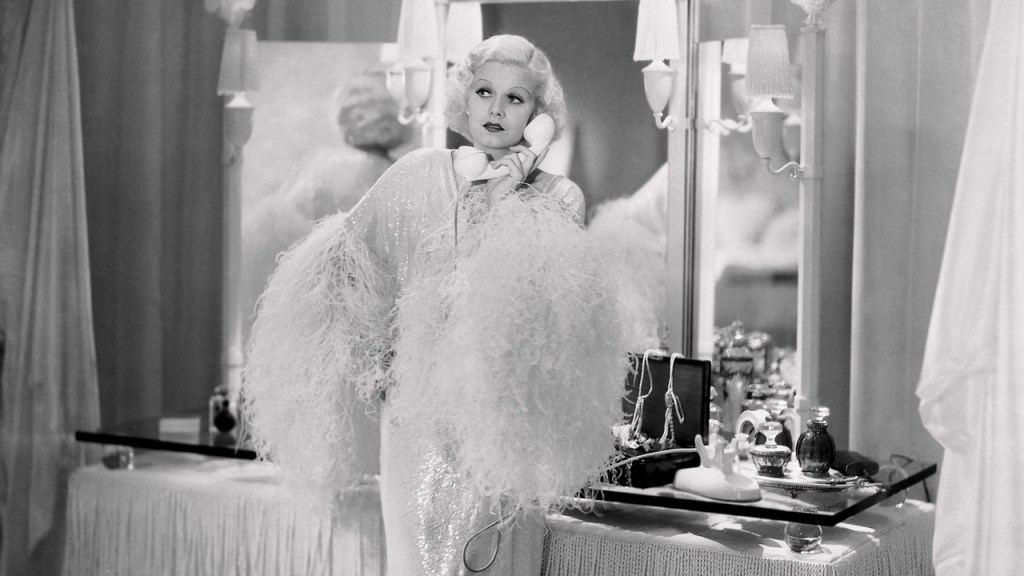
A flowchart could help a viewer keep track of all the bedroom shenanigans in this MGM comedy of manners from director George Cukor and screenwriters Frances Marion and Herman Mankiewicz. Shipping magnate Oliver Jordan and his status-obsessed wife Millicent (Lionel Barrymore and Billie Burke) schedule a big dinner party to welcome a wealthy British couple to New York, but little do they realize all the complications the event will kick into motion. Among their guests is Wallace Beery as a gauche millionaire whose trophy wife (Jean Harlow) seems to be a hypochondriac, but is actually diddling the Jordans’ dashing doctor (Edmund Lowe). The Jordans, meanwhile, don’t suspect their 19-year-old daughter (Madge Evans) is throwing down with another invitee, a thrice-divorced, has-been movie star played by John Barrymore. That affair has been sniffed out by Oliver’s ex-flame, a faded theater queen—played by Marie Dressler in one of her final films. All this, and melodrama, too!
3. Footlight Parade (1933, dir. Lloyd Bacon)
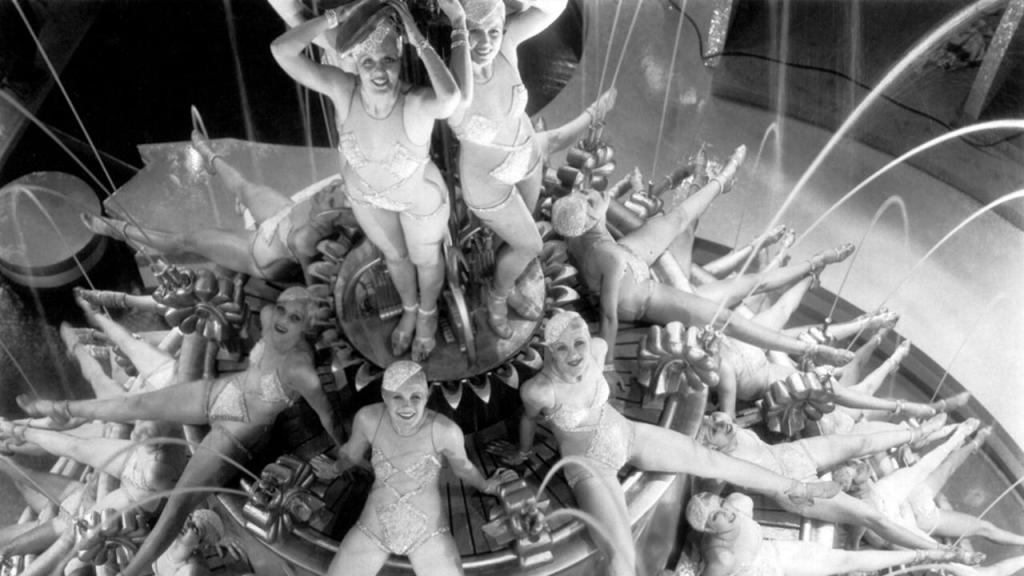
Footlight Parade is goofy showbiz fun at its zenith. James Cagney is Chester Kent, a fast-talking producer of “prologues,” live musical productions staged in movie theaters before the feature attraction. Chester’s idea of scaling them up goes gangbusters—so much so that his company must watch out for shady competitors. It’s a good thing, then, he has help from the likes of wisecracking Nan (Joan Blondell, who else?), up-and-coming dancer Bea (Ruby Keeler) and the earnest young tenor (Dick Powell) whose rich benefactor got him the gig. The dialogue is a celebration of sexual innuendo. When sultry Vivian (Claire Dodd), Nan’s rival for Chester’s affection (he’s married, but c’mon, it’s Pre-Code), makes a play, Nan puts the tramp in her place: “As long as there’s sidewalks, you’ve got a job.” The Busby Berkeley-directed numbers, risibly gargantuan in scope, are wildly entertaining. The elaborately bonkers “By a Waterfall” must be seen to be believed. All this and a fawning musical tribute to President Franklin D. Roosevelt. Some aspects haven’t aged well, the most glaring being Keeler in yellowface for “Shanghai Lil.” It must have been questionable even in 1933. According to Kim Luperi and Danny Reid’s Pre-Code Essentials, Warner Bros. omitted it from the print screened for a Chinese advocacy group. That’s showbiz.
2. Island of Lost Souls (1932, dir. Erle C. Kenton)
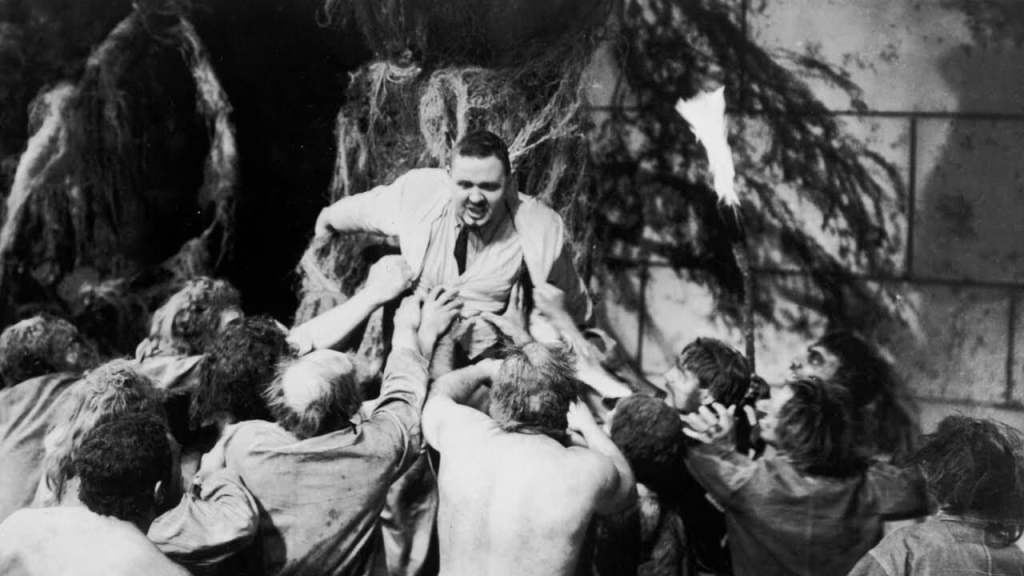
With apologies to Paul Simon, this bizarro adaptation of H.G. Wells’ 1896 novel The Island of Doctor Moreau is most definitely still crazy after all these years. Not many movies from the Pre-Code era can match the fetishistic creepiness of Island of Lost Souls. OK, well, Freaks (see #7) comes close, but this one has the added zing of injecting intra-species coupling. Charles Laughton feasts on the scenery as the sadistic––and quite mad––scientist Moreau, off on his remote island creating human-animal hybrids he keeps in line through routine torture sessions inside his ominously named House of Pain. Richard Arlen is Edward Parker, a strapping sailor stranded on the island when he catches on to the doctor’s pernicious experiments. Moreau hopes to win Edward over by encouraging him to get it on with the exotic Lota (Kathleen Burke). Exotic is one word for it; “panther-human mutant” is another. Not surprisingly, some censors were not keen on the suggestion of bestiality. As if this wasn’t kooky enough, there is Bela Lugosi as the ultra-hirsute leader of the amalgamated creatures that Moreau has engineered.
1. Trouble in Paradise (1932, dir. Ernst Lubitsch)
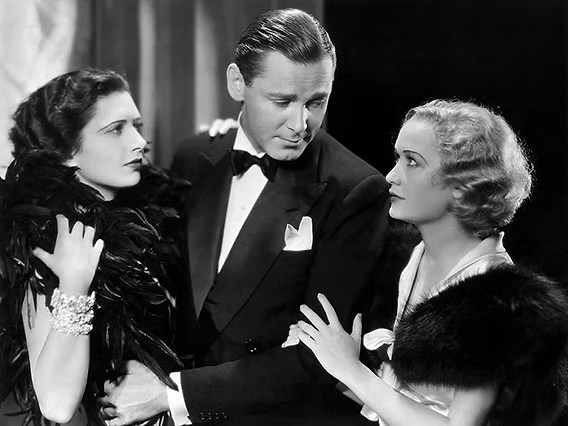
Thieves who rob each other when they’re not seducing each other—what’s not to love? Director Ernst Lubitsch and screenwriter Samson Raphaelson serve up this elegant, stylish romantic comedy. Jewel thief Gaston Monescu (Herbert Marshall) and pickpocket Lily Vautier (Miriam Hopkins) meet when each mistakes the other for an affluent mark ripe for fleecing. Realizing they’re kindred crooked spirits, their thievery turns amorous and they conspire to rob the wealthy and beautiful Madame Mariette Colet (Kay Francis). Trouble in Paradise is rich in innuendo as well as larcenous charm, particularly when sparks fly between Monescu and Madame Colet. A sample exchange says it all: Monescu tells Colet that if he were her father and she tried to conduct her own business affairs, “I would give you a good spanking—in a business way, of course.” She asks what he would do if he were her secretary. “The same thing,” Monescu answers. Colet, not missing a beat: “You’re hired.” Lubitsch later proclaimed Trouble in Paradise his favorite of all his films. It is easy to understand why. The “Lubitsch touch” was no myth.
Honorable mention: Back Street (1932, dir. John M. Stahl), The Black Cat (1934, dir. Edgar G. Ulmer), Dr. Jekyll and Mr. Hyde (1931, dir. Rouben Mamoulian), Employees’ Entrance (1933, dir. Roy Del Ruth), 42nd Street (1933, dir. Lloyd Bacon), Heroes for Sale (1933, dir. William W. Wellman), I Am a Fugitive from a Chain Gang (1932, dir. Mervyn LeRoy), Little Caesar (1931, dir. Mervyn LeRoy), Love Me Tonight (1932, dir. Rouben Mamoulian), Merrily We Go to Hell (1932, dir. Dorothy Arzner), Queen Christina (1933, dir. Rouben Mamoulian), Red-Headed Woman (1932, dir. Jack Conway), Safe in Hell (1931, dir. William A. Wellman), Tarzan and His Mate (1934, dir. Cedric Gibbons), Wild Boys of the Road (1933, dir. William A. Wellman)
 Cutting to the Chase with Phil Bacharach