The decade of Vietnam, the civil rights movement, assassinations, hippies, mods, the British Invasion, Dylan, drugs, the counterculture, man lands on the moon, Woodstock, the Manson family. It was a tumultuous decade, to put it mildly, and movies reflected it.
1960:
10. The Virgin Spring, director: Ingmar Bergman
9. Spartacus, director: Stanley Kubrick
8. Inherit the Wind, director: Stanley Kramer
7. The Housemaid, director: Kim Ki-young
6. Purple Noon, director: René Clément
5. Peeping Tom, director: Michael Powell
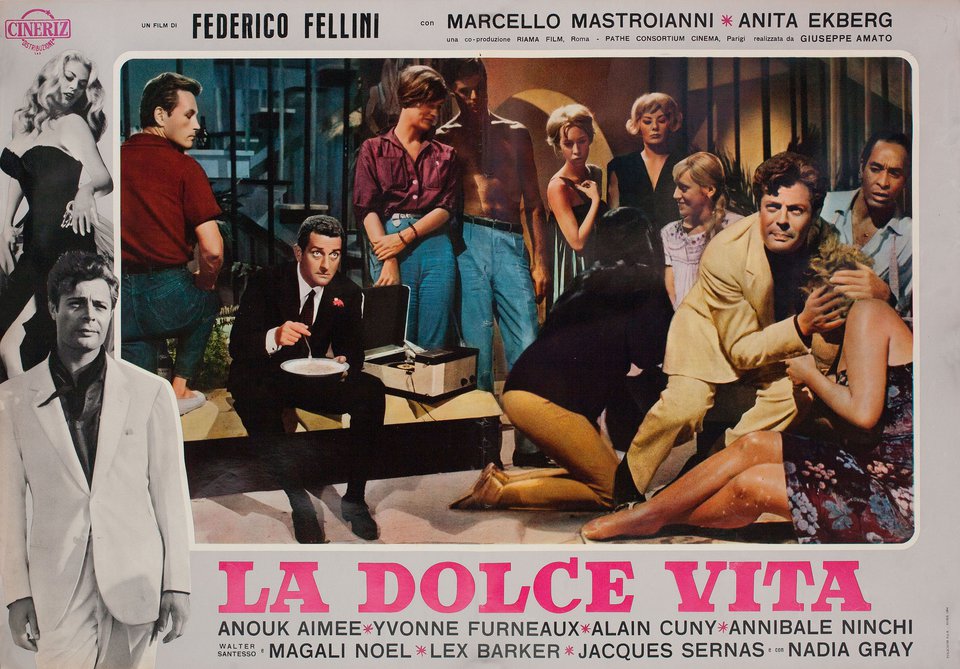
4. La Dolce Vita, director: Federico Fellini
3. Eyes Without a Face, director: Georges Franju
2. The Apartment, director: Billy Wilder
1. Psycho, director: Alfred Hitchcock
Alfred Hitchcock employed the no-frills aesthetic of television for this lean and mean adaptation of Robert Bloch’s pulpy novel. The shower scene is justly celebrated and proved massively influential, of course, but the genius of Psycho is apparent in every shot. As Danny Peary put it in Cult Movies 3, “Every director who makes suspense-horror films should study Hitchcock’s work on Psycho, to see how he works his audience, to see how he keeps it off-balance.” The misdirection of our following Marian Crane (Janet Leigh) in the first act is brilliant. Bernard Hermann’s music score is piercingly perfect. The movie’s only real stumble, in fact, is Simon Oakland’s eye-rolling, dated monologue at the end. While Anthony Perkins is wonderful as the iconic Norman Bates, Hitch is Psycho’s true star. Hell, he even stars in the trailer (see above).
1961:
10. Judgment at Nuremberg, director: Stanley Kramer
9. Through a Glass Darkly, director: Ingmar Bergman
8. La Notte, director: Michelangelo Antonioni
7. Something Wild, director: Jack Garfein
6. Victim, director: Basil Dearden
5. One, Two, Three, director: Billy Wilder
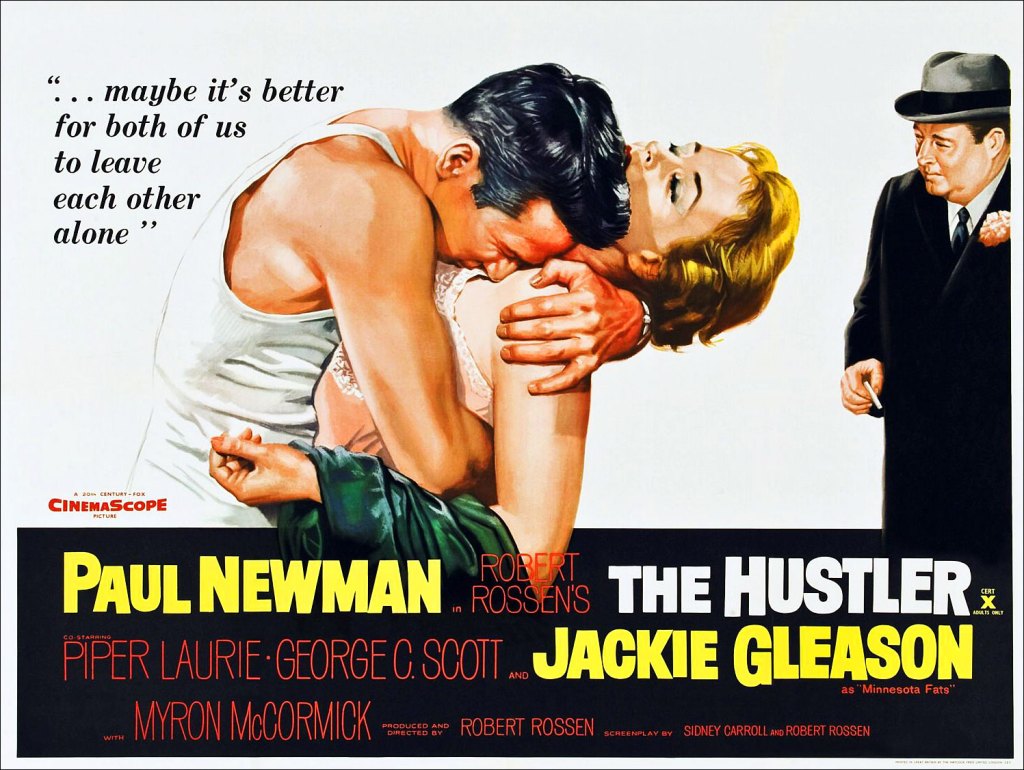
4. The Hustler, director: Robert Rossen
3. Viridiana, director: Luis Buñuel
2. Yojimbo, director: Akira Kurosawa
1. The Innocents, director: Jack Clayton
This adaptation of the Henry James novella, The Turn of the Screw, finds Deborah Kerr as Miss Giddens, a newbie governess increasingly unsettled by the two strange children she is tasked with taking care of in a sprawling English countryside mansion. Are the kids possessed by ghosts? Is Miss Giddens freaked out by her own sexual oppression? Jack Clayton’s Gothic chiller, co-scripted by Truman Capote, excels in the creation of a thoroughly menacing atmosphere. Freddie Francis’ immaculate, black-and-white cinematography deserves much of the credit for what makes The Innocents so memorable.
1962:
10. Cléo from 5 to 7, director: Agnès Varda
9. To Kill a Mockingbird, director: Robert Mulligan
8. Lolita, director: Stanley Kubrick
7. Ride the High Country, director: Sam Peckinpah
6. Advise & Consent, director: Otto Preminger
5. The Miracle Worker, director: Arthur Penn
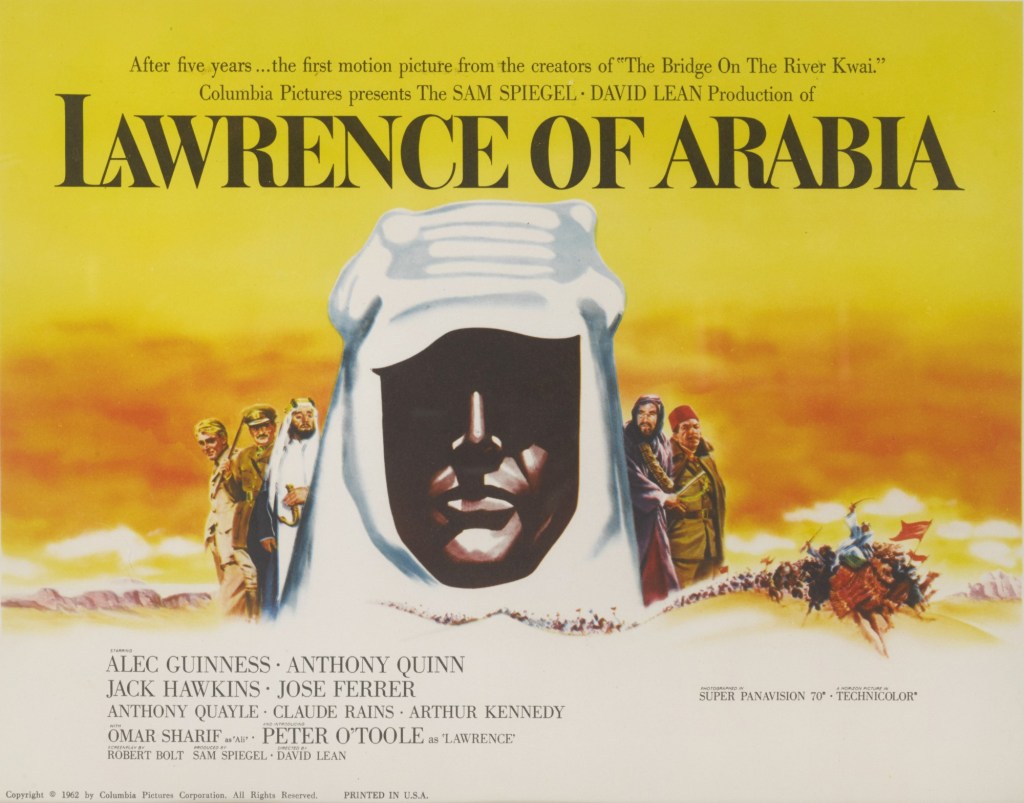
4. Lawrence of Arabia, director: David Lean
3. The Exterminating Angel, director: Luis Buñuel
2. The Man Who Shot Liberty Valance, director: John Ford
1. The Manchurian Candidate, director: John Frankenheimer
The New Yorker’s Pauline Kael declared The Manchurian Candidate to be “the most sophisticated political satire ever made in Hollywood.” The movie is extraordinary on several levels. Angela Lansbury gave the performance of her career as the conniving, powerbroker mother of Raymond Shaw (Lawrence Harvey), a prickly Korean War hero-turned-brainwashed assassin. John Frankenehimer and co-screenwriter George Axelrod tweak McCarthyism and the Cold War in their depiction of a Machiavellian universe mired in paranoia and the pursuit of power. It’s a tantalizingly opaque thriller, largely thanks to Lionel Lindon’s stunning camerawork and a vibe of sustained dread. Even its lighter moments feel ominous, such as when our hero, nicely played by Frank Sinatra, meets Janet Leigh aboard a commuter train.
1963:
10. It’s a Mad, Mad, Mad, Mad World, director: Stanley Kramer
9. The Fire Within, director: Louis Malle
8. Contempt, director: Jean-Luc Godard
7. High and Low, director: Akira Kurosawa
6. Shock Corridor, director: Samuel Fuller
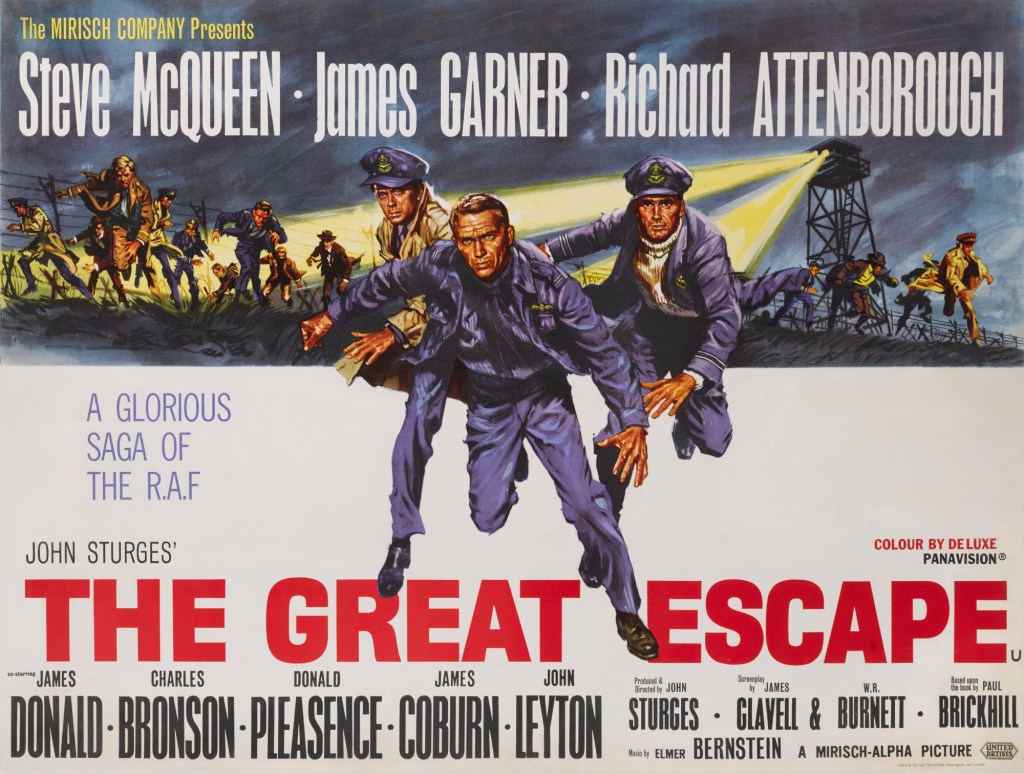
5. The Great Escape, director: John Sturges
4. The Haunting, director: Robert Wise
3. The Big City, director: Satyajit Ray
2. Charade, director: Stanley Donen
1. 8½, director: Federico Fellini
My introduction to Federico Fellini’a 8½ was through an English-dubbed VHS tape when I was 15, and it quickly stoked my desire to be a moviemaker (which I carried until leaving film school for the much more, ahem, lucrative career of journalism). Marcello Mastroianni is sublime as Guido, the Italian film director and Fellini surrogate struggling with a creative block while hiding out at a spa. Sure, this ultra-hip, often surreal confection exploring the artist’s life is also a bit of a male fantasy — the parade of beauties in Guido’s life includes Claudia Cardinale, Anouk Aimée, Sandra Milo and Barbara Steele — but Fellini makes no apologies for digging into the depths of his own selfish, hypocritical, male-centric psyche. “Ultimately,” wrote Michael Newton in The Guardian, “8½ is a comedy of guilt, of a life riven by untruths.” Asa nisi masa!
1964:
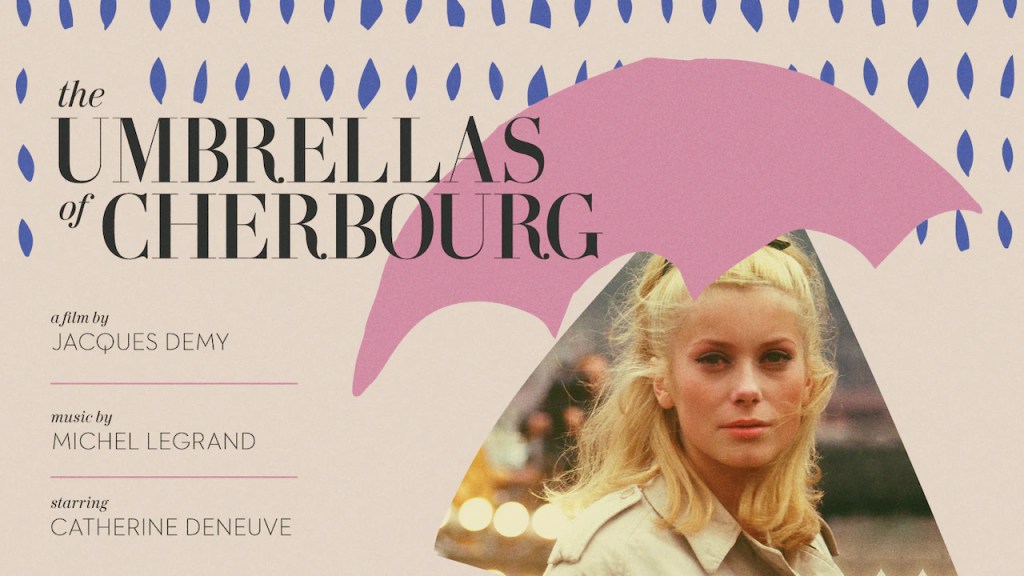
10. The Killers, director: Don Siegel
9. Seven Days in May, director: John Frankenheimer
8. I Am Cuba, director: Mikhail Kalatozov
7. One Potato, Two Potato, director: Larry Peerce
6. The Umbrellas of Cherbourg, director: Jacques Demy
5. Mary Poppins, director: Robert Stevenson
4. Onibaba, director: Kaneto Shindo
3. Seance on a Wet Afternoon, director: Bryan Forbes
2. A Hard Day’s Night, director: Richard Lester
1. Dr. Strangelover or How I Learned to Stop Worrying and Love the Bomb, director: Stanley Kubrick
Stanley Kubrick’s bruising satire of the Cold War and nuclear holocaust stretched the boundaries of black comedy at the time. If Dr. Strangelove seems a little tame today, it’s only because reality became more batshit in the years since. Peter Sellers demonstrates his genius in three roles (including the titular Dr. Strangelove) but George C. Scott, Sterling Hayden and Slim Pickens all contribute ultra-inspired performances. The oddly sexualized opening, in which an in-flight B-52 refuels to the strains of “Try a Little Tenderness,” sets the tone for the curious sex-is-war ethos that follows. There are many unforgettable moments here. For me, every scene in the Pentagon’s War Room is comic perfection. My personal favorite: President Merken Muffley (Sellers) on the phone with a drunk Russian premier explaining how an Army general ordered a nuclear attack.
1965:
10. The Sound of Music, director: Robert Wise
9. Mudhoney, director: Russ Meyer
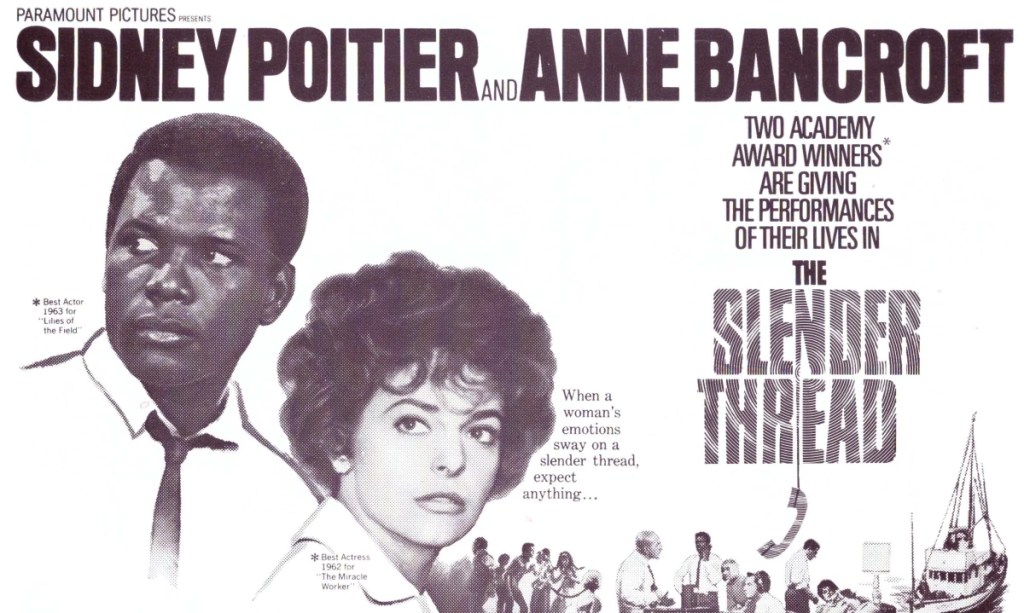
8. The Slender Thread, director: Sydney Pollack
7. The Loved One, director: Tony Richardson
6. I Knew Her Well, director: Antonio Pietrangeli
5. Loves of a Blonde, director: Miloš Forman
4. The Hill, director: Sidney Lumet
3. Faster, Pussycat! Kill! Kill!, director: Russ Meyer
2. A Patch of Blue, director: Guy Green
1. Repulsion, director: Roman Polanski
Catherine Deneuve is a paranoid, delusional, and pretty darn dangerous young woman housesitting in her sister’s London flat when things go very awry. Roman Polanski’s English-language debut after leaving his native Poland, Repulsion confirmed his reputation as a world-class visionary and invariably led to his triumph with Rosemary’s Baby. “It is at least in the class of Psycho for its creative confusion over the genres of horror, suspense, and love,” wrote movie historian-scholar David Thomson. “Yes, I think it’s love, the need for which aches in Deneuve’s eyes.”
1966:
10. You’re a Big Boy Now, director: Francis Ford Coppola
9. The Battle of Algiers, director: Gillo Pontecorvo
8. Au Hasard Balthazar, director: Robert Bresson
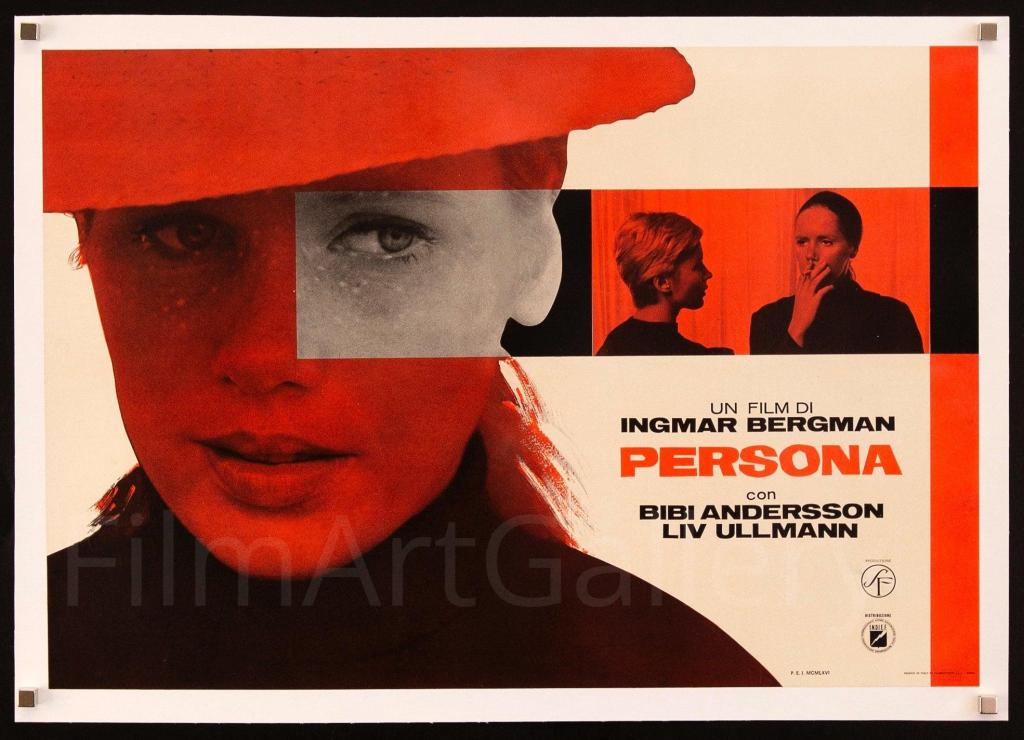
7. Persona, director: Ingmar Bergman
6. Who Are You, Polly Magoo?, director: William Klein
5. A Man for All Seasons, director: Fred Zinnemann
4. Who’s Afraid of Virginia Woolf?, director: Mike Nichols
3. Seconds, director: John Frankenheimer
2. The Good, the Bad and the Ugly, director: Sergio Leone
1. Blow-Up, director: Michelangelo Antonioni
Michelangelo Antonioni ensconces this elliptical mystery within the hermetically sealed time capsule of London in the swinging Sixties. David Hemmings is a high-dollar fashion photographer who may have inadvertently photographed a crime, but the rewards of Blow-Up are what viewers will find in the margins of plot. “It remains a deadpan delight — witty, sexy, nasty, tricky, and one of the best movies to use in teaching film studies that anyone has ever made,” wrote David Thomson (my apologies on quoting Thomson twice in the same post, but I’m a big fan of his filmic writings). Just be forewarned: Mimes play an integral role in the picture.
1967:
10. Wait Until Dark, director: Terence Young
9. Don’t Look Back, director: D.A. Pennebaker
8. To Sir, with Love, director: James Clavell
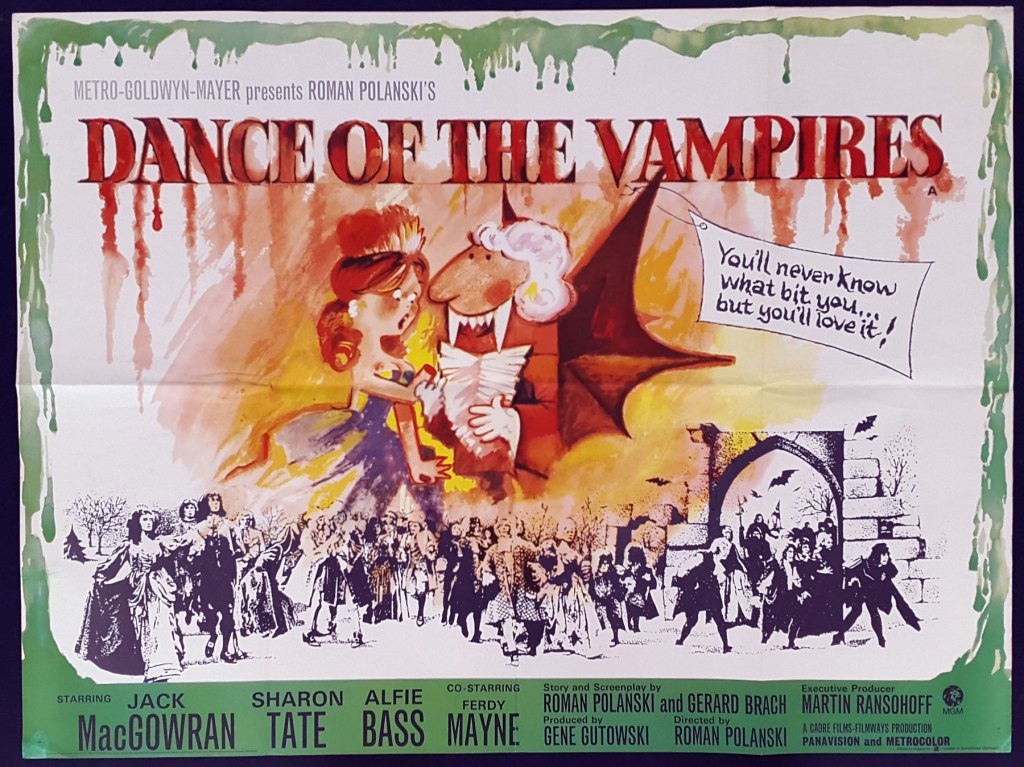
7. Dance of the Vampires, director: Roman Polanski
6. Belle de Jour, director: Luis Buñuel
5. Le Samouraï, director: Jean-Pierre Melville
4. Bonnie and Clyde, director: Arthur Penn
3. Cool Hand Luke, director: Stuart Rosenberg
2. The Producers, director: Mel Brooks
1. The Graduate, director: Mike Nichols
Newly minted college graduate Benjamin Braddock has his sexual awakening thanks to Mrs. Robinson, the wife of his dad’s business partner. From this concept, The Graduate captured a generation’s disaffection and angst. The Simon & Garfunkel songs certainly helped, as did Mike Nichols’ expert comic sensibility and a terrific screenplay by Buck Henry and Calder Willingham. Credit also goes to standout performances by Dustin Hoffman, who was launched into superstardom overnight, as Benjamin and Anne Bancroft as the seductive older woman (even though the 35-year-old actress was only six years Hoffman’s elder). When I discovered the movie while in middle school, I immediately developed a crush on Bancroft and Katherine Ross, who is stunning as Mrs. Robinson’s daughter, Elaine.
1968:
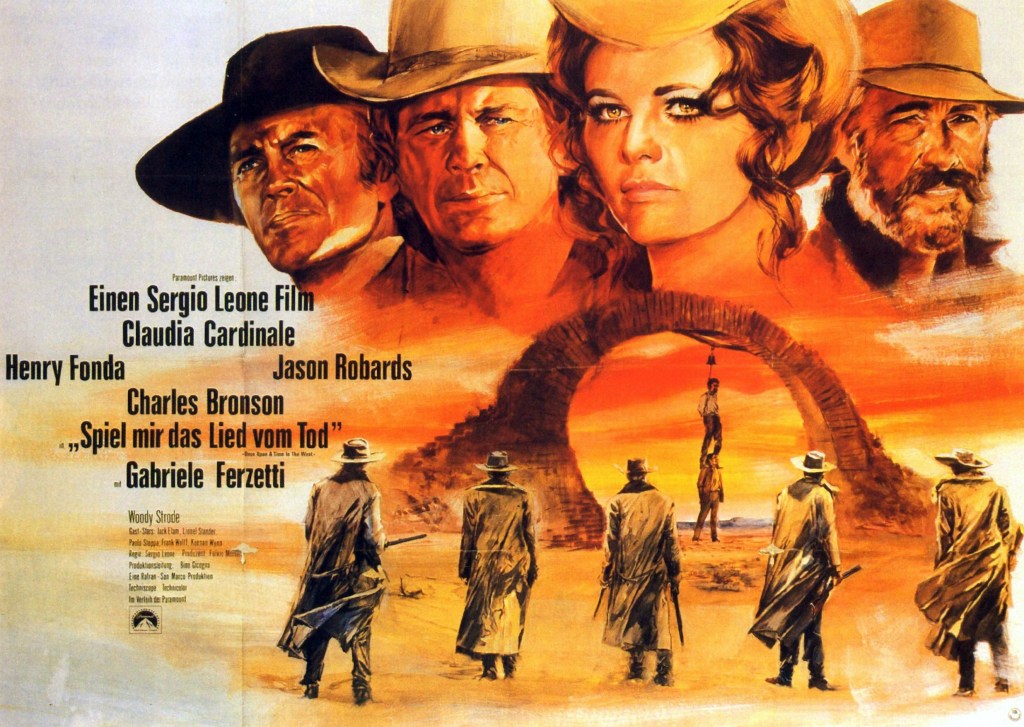
10. Planet of the Apes, director: Franklin J. Schaffner
9. Targets. director: Peter Bogdanovich
8. Yellow Submarine, director: George Dunning
7. The Swimmer, director: Frank Perry
6. Bullitt, director: Peter Yates
5. Once Upon a Time in the West, director: Sergio Leone
4. Night of the Living Dead, director: George A. Romero
3. Petulia, director: Richard Lester
2. Rosemary’s Baby, director: Roman Polanski
1. 2001: A Space Odyssey, director: Stanley Kubrick
2001: A Space Odyssey is Stanley Kubrick’s hypnotic, enigmatic and staggeringly brilliant treatise about … um, what? Humankind? Space travel? Evolution? The filmmaker himself called it a “mythological documentary.” Much ink has been spilled (not to mention many a bong has been hit) exploring the meanings and themes of this masterpiece. In the end, it is a movie to be experienced more than comprehended, a magnificent achievement of sound and image. “2001 is not concerned with thrilling us,” Roger Ebert wrote, “but with inspiring our awe.” On that count, Kubrick more than succeeded. Let’s just hope 2001’s HAL-9000 doesn’t foretell the future of AI. We need those pod bay doors to open.
1969:
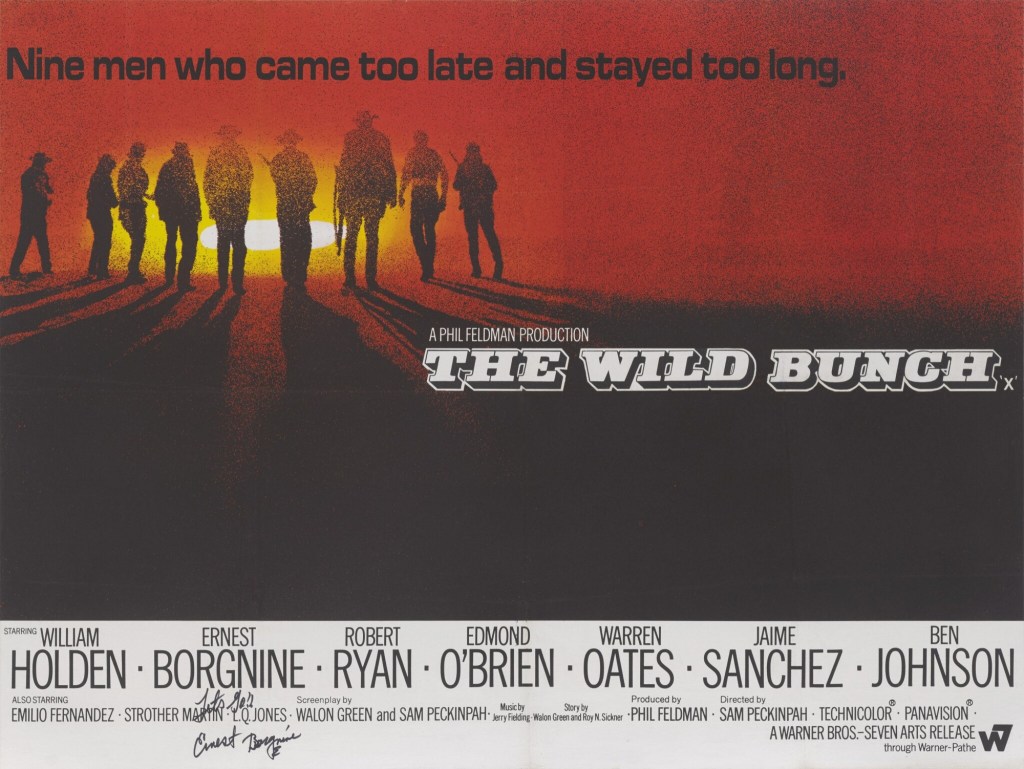
10. They Shoot Horses, Don’t They?, director: Sydney Pollack
9. Age of Consent, director: Michael Powell
8. Take the Money and Run, director: Woody Allen
7. Last Summer, director: Frank Perry
6. Butch Cassidy and the Sundance Kid, director: George Roy Hill
5. Z, director: Costa-Gavras
4. Bob & Carol & Ted & Alice, director: Paul Mazursky
3. Midnight Cowboy, director: John Schlessinger
2. The Wild Bunch, director: Sam Peckinpah
1. Medium Cool, director: Haskell Wexler
In his first and only directorial outing, heavyweight cinematographer Haskell Wexler took cameras to the 1968 Democratic National Convention and cobbled together a fictional narrative with Robert Forster as a TV cameraman caught up in the violence that erupted that summer on the streets of Chicago. Largely improvisational and impeccably shot, Medium Cool was a commercial failure, but the passage of time has proven it to be not just masterful, but a prescient examination of how televised images create news as much as they chronicle it.
 Cutting to the Chase with Phil Bacharach
One response to “Year by year: My faves of the 1960s”
I agree with most of your choices but shocked that LAWRENCE OF ARABIA gets no love! I was 7 when I saw it at the Rialto and it remains my most memorable movie experience
LikeLike