Hollywood’s second golden age saw the emergence of film school influences, cultural upheaval, experimentation, and a European art-house sensibility. Conversely, the decade also saw the birth of the blockbuster. With apologies to a podcast of the same name, these are (along with the 1980s) the movies that made me.
1970:
10. The Landlord, director: Hal Ashby
9. Ryan’s Daughter, director: David Lean
8. The Honeymoon Killers, director: Leonard Kastle
7. Little Big Man, director: Arthur Penn
6. Five Easy Pieces, director: Bob Rafelson
5. The Conformist, director: Bernardo Bertolucci
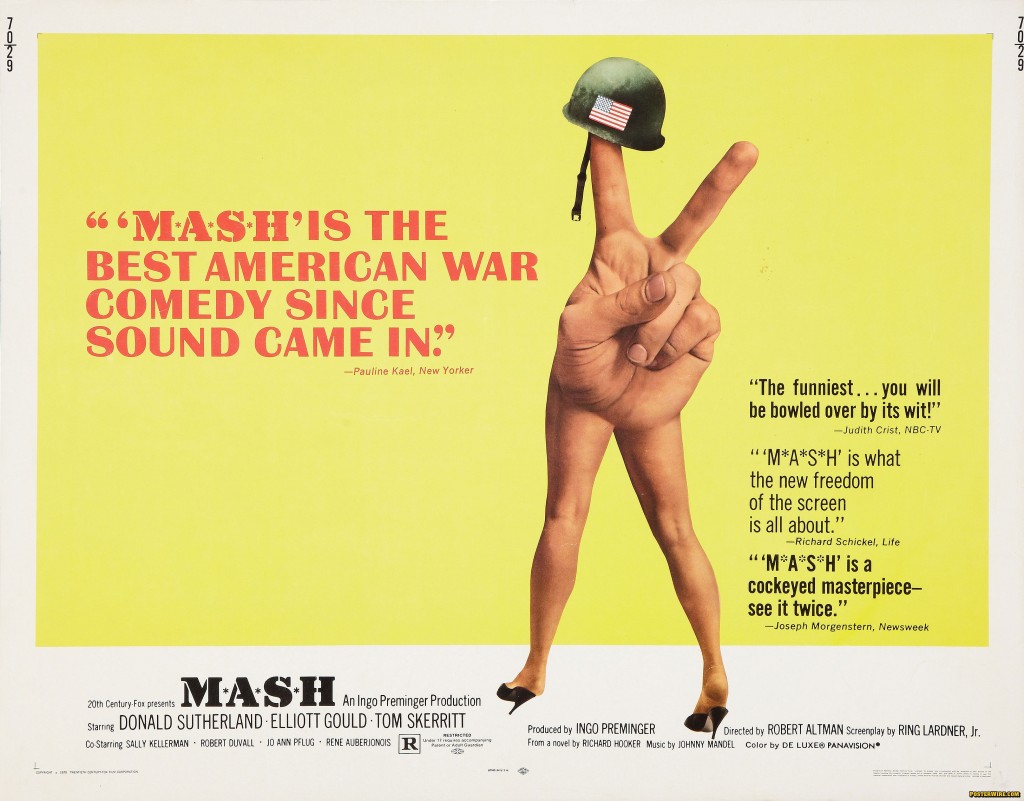
4. M*A*S*H, director: Robert Altman
3. Catch-22, director: Mike Nichols
2. Beyond the Valley of the Dolls, director: Russ Meyer
1. Woodstock, director: Michael Wadleigh
No other music documentary comes close to the greatness of Woodstock. It’s not just because of the generous three-hour-plus running time, or that it documents a genuine cultural phenomenon, or even that it boasts amazing performances from the likes of The Who, Sly and the Family Stone, Santana, Jimi Hendrix, Joe Cocker and many more. It’s all of these elements combined with Michael Wadleigh’s kitchen-sink approach — split screens, random interviews with the hippies who gathered at Max Yasgur’s farm — for three days of peace and music. Indulge and enjoy by all means, but you might stay away from the brown acid.
1971:
10. Dirty Harry, director: Don Siegel
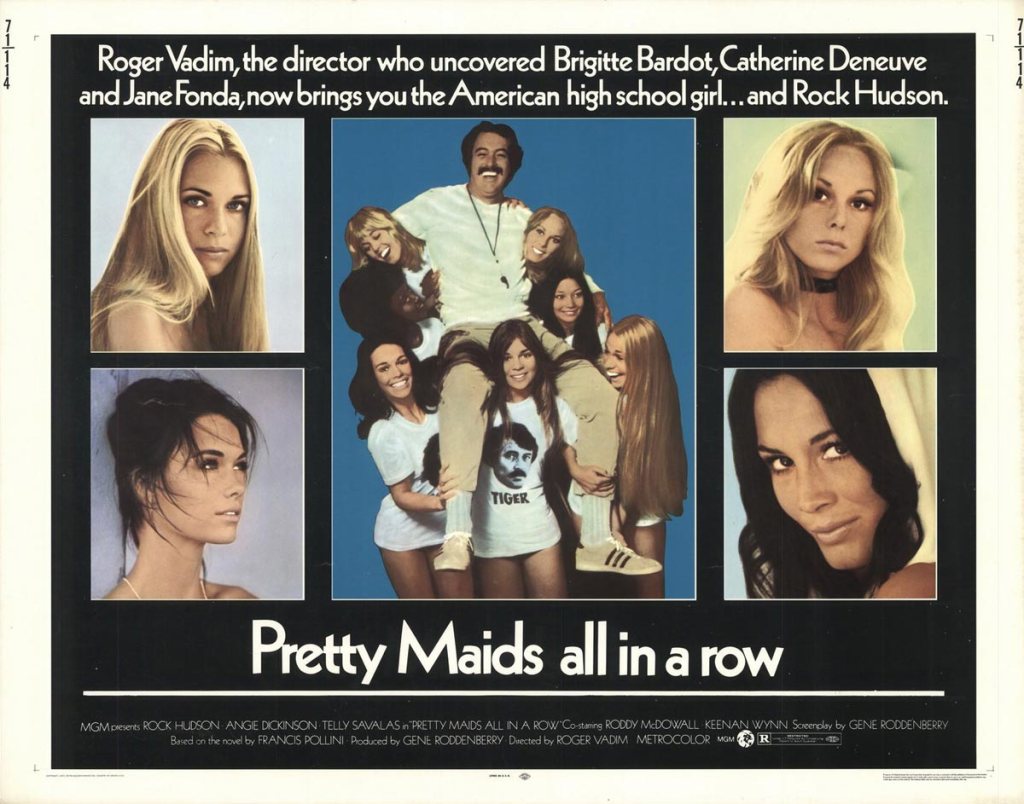
9. Pretty Maids All in a Row, director: Roger Vadim
8. McCabe & Mrs. Miller, director: Robert Altman
7. Straw Dogs, director: Sam Peckinpah
6. Murmur of the Heart, director: Louis Malle
5. Harold and Maude, director: Hal Ashby
4. Willy Wonka & the Chocolate Factory, director: Mel Stuart
3. A Clockwork Orange, director: Stanley Kubrick
2. The French Connection, director: William Friedkin
1. The Last Picture Show, director: Peter Bogdanovich
Critics at the time lavished praise on this adaptation of the Larry McMurtry novel, one going so far as to call it the greatest American film since Citizen Kane. While the passage of time makes that pronouncement a bit hyperbolic, The Last Picture Show remains an exquisite coming-of-age story. Peter Bogdanovich tapped his encyclopedic knowledge of classic Hollywood for this beautifully lensed (in black and white) melodrama detailing secret longings in a small Texas town circa the early 1950s. The ensemble cast is uniformly terrific, but special kudos went to Ben Johnson and Cloris Leachman, both of whom deservedly won Oscars for their supporting performances.
1972:
10. The Candidate, director: Michael Ritchie
9. The Heartbreak Kid, director: Elaine May
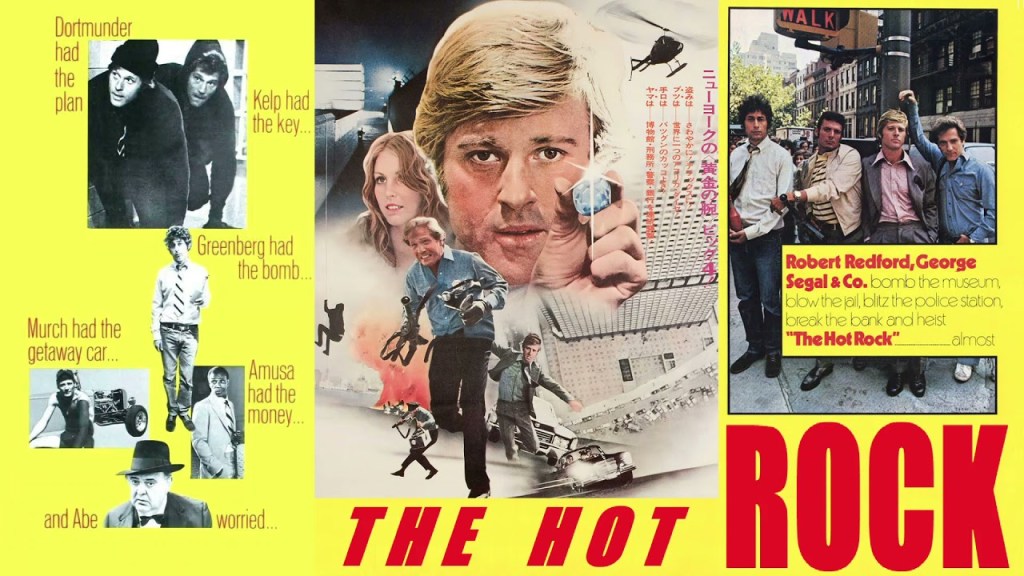
8. The Hot Rock, director: Peter Yates
7. Frenzy, director: Alfred Hitchcock
6. Cries and Whispers, director: Ingmar Bergman
5. Sisters, director: Brian De Palma
4. What’s Up, Doc?, director: Peter Bogdanovich
3. Slaughterhouse-Five, director: George Roy Hill
2. Cabaret, director: Bob Fosse
1. The Godfather, director: Francis Ford Coppola
You might’ve heard of it. Mario Puzo’s literary stab at purely commercial success paid off bigtime. Paramount scooped up the rights, and the rest is cinema history. Francis Ford Coppola, who only a decade earlier had been shooting softcore porn while a UCLA film student, helmed a sprawling epic that wedded the gangster genre with Shakespearean tragedy. While The Godfather made Al Pacino a superstar and racked up another iconic performance for Marlon Brando, the entire cast is superb, particularly John Cazale, James Caan and Al Lettieri. Carmine Coppola’s plaintive music score and Gordon Willis’ elegant cinematography deserve special mention. The Godfather is so deeply ingrained into the fabric of American pop culture, it is easy to lose sight of how tremendous a drama it is … and its 1974 sequel is arguably better.
1973:
10. The Friends of Eddie Coyle, director: Peter Yates
9. Paper Moon, director: Peter Bogdanovich
8. The Last Detail, director: Hal Ashby
7. Badlands, director: Terrence Malick
6. The Long Goodbye, director: Robert Altman
5. Mean Streets, director: Martin Scorsese
4. Amarcord, director: Federico Fellini
3. Charley Varrick, director: Don Siegel
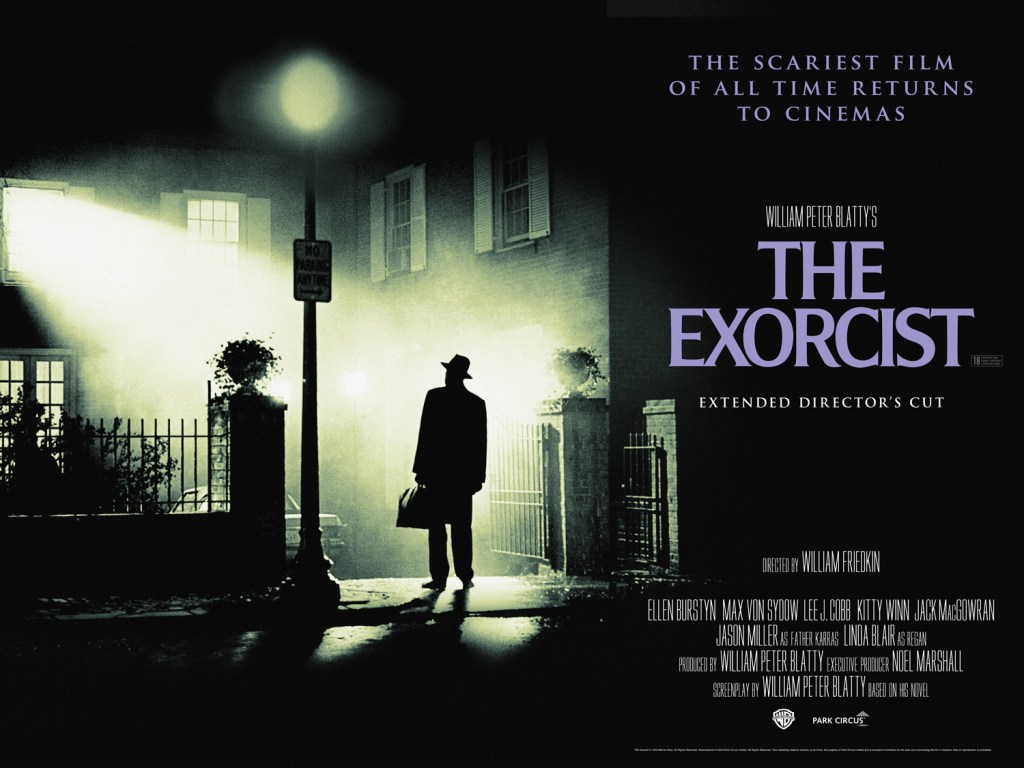
2. The Exorcist, director: William Friedkin
1. American Graffiti, director: George Lucas
In a year of incredible films, my pick is American Graffiti. George Lucas revisited his teen years in small-town Modesto, Ca., for this ambling and affectionate portrait of a handful of teens on the last night of summer break. Burgeoning with terrific needle drops of ‘50s and early ‘60s rock ‘n’ roll (even Wolfman Jack shows up for a memorable cameo), it has great fun indulging a nostalgic vibe as intoxicating as a pint of Old Harper (if you know, you know). The movie featured a gaggle of breakout performances, especially Richard Dreyfus, Charles Martin Smith and Candy Clark. Universal Studio execs had little interest or faith in the project; they largely humored Lucas because of his friendship with executive director Francis Ford Coppola. But then American Graffiti was a smash hit spawning plenty of imitators. Lucas followed up four years later with another movie that would see some success at the box office.
1974:
10. Phantom of the Paradise, director: Brian De Palma
9. The Watchmaker of St. Paul, director: Bertrand Tavernier
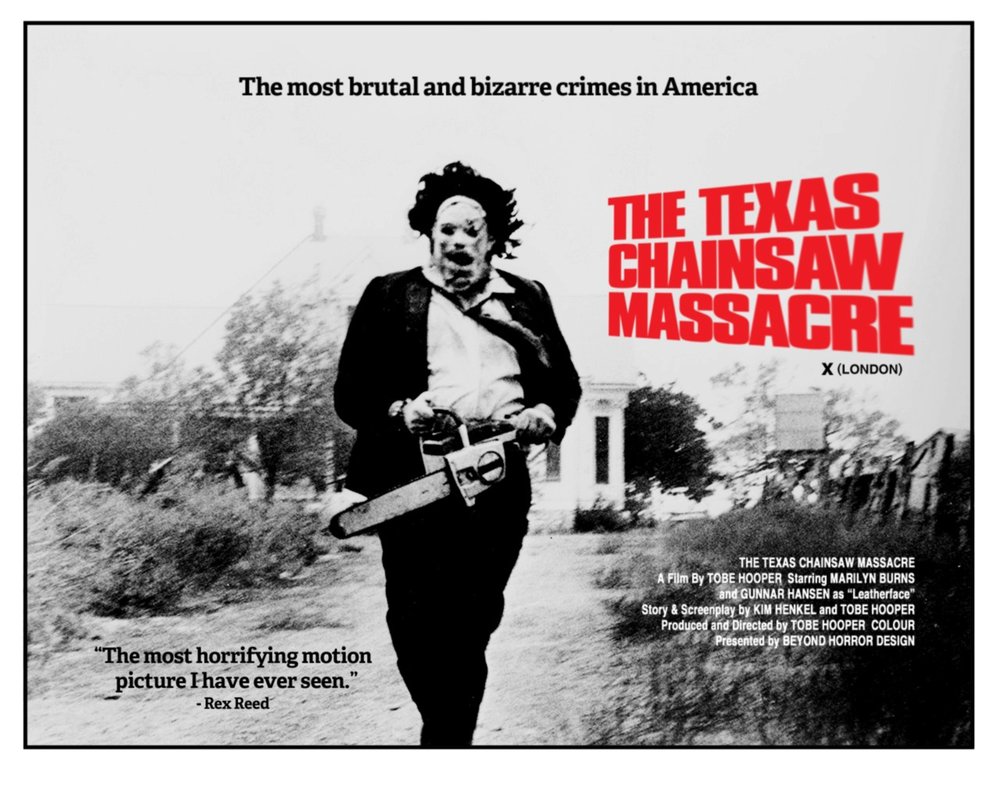
8. The Texas Chain Saw Massacre, director: Tobe Hooper
7. The Taking of Pelham One Two Three, director: Joseph Sargent
6. A Woman Under the Influence, director: John Cassavetes
5. Young Frankenstein, director: Mel Brooks
4. Blazing Saddles, director: Mel Brooks
3. The Conversation, director: Francis Ford Coppola
2. The Godfather, Part II, director: Francis Ford Coppola
1. Chinatown, director: Roman Polanski
Chinatown was the product of nearly two years that screenwriter Robert Towne spent crafting a Depression-era mystery set in the sun-baked environs of Los Angeles. The result was a brooding, atmospheric noir that critic James Verniere aptly described as “a fiendishly clever meeting of Raymond Chandler, Franz Kafka, and Sophocles.” While Towne’s script was rightly celebrated, what elevated the picture to classic status was the vibe of paranoia and mystery that Roman Polanski brought to the story. Jack Nicholson is fine as the gumshoe left to unravel the shadowy conspiracy, but Faye Dunaway and John Huston provide, respectively, the movie’s heart and its horror.
1975:
10. Death Race 2000, director: Paul Bartel
9. Smile, director: Michael Ritchie
8. Grey Gardens, director: Albert Maysles, David Maysles, Ellen Hove & Muffie Meyer
7. Picnic at Hanging Rock, director: Peter Weir
6. Monty Python and the Holy Grail, director: Terry Gilliam & Terry Jones
5. Barry Lyndon, director: Stanley Kubrick
4. One Flew Over the Cuckoo’s Nest, director: Miloš Forman
3. Dog Day Afternoon, director: Sidney Lumet
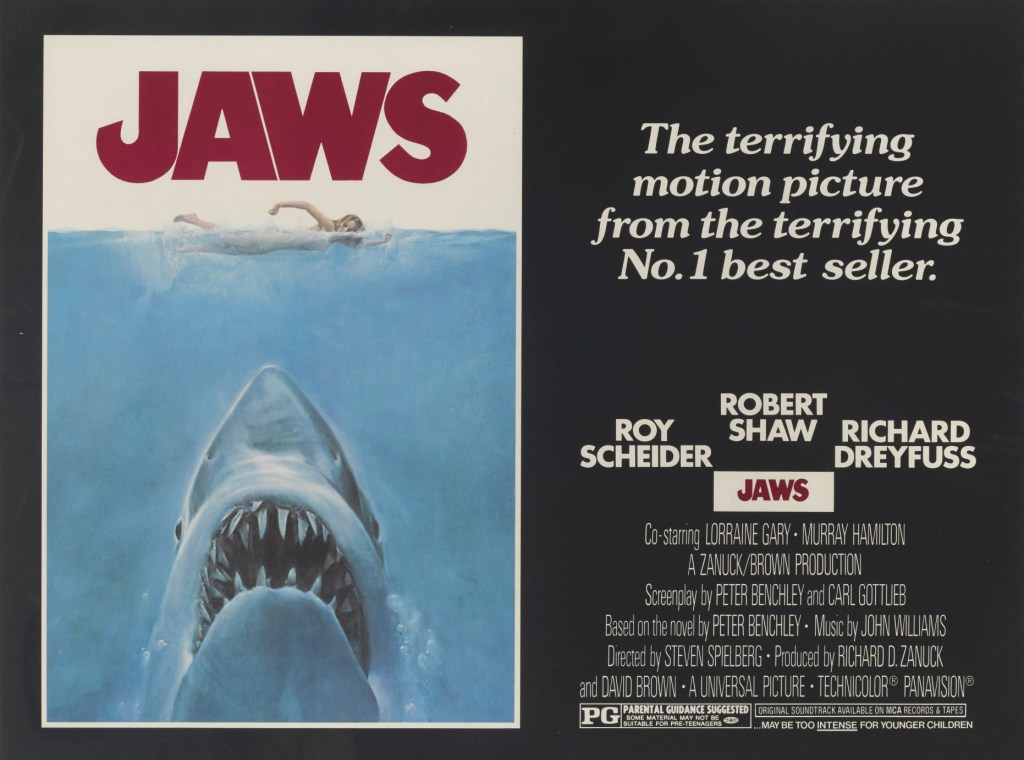
2. Jaws, director: Steven Spielberg
1. Nashville, director: Robert Altman
This is the quintessential film about America, as reflected in 48 hours in Music City. The virtually plotless narrative gives ample room for the large cast of Robert Altman regulars — particular standouts are Ronee Blakley, Lily Tomlin, Geraldine Chaplin, Henry Gibson and Gwen Welles — to fully inhabit their characters. I can’t say it better than movie scholar David Sterritt, who wrote that Nashville was Altman’s “greatest achievement, enhanced and enriched by its extraordinarily textured soundtrack, restlessly roving cameras, allusive images, and offbeat performances. Not to mention its canny blend of cynicism, sentimentality, tuneful songs, colorful clothes, and underlying affection … for the odd mix of people it so imaginatively portrays.”
1976:
10. The Omen, director: Richard Donner
9. The Man Who Fell to Earth, director: Nicolas Roeg
8. Marathon Man, director: John Schlessinger
7. Rocky, director: John G. Avildsen
6. The Tenant, director: Roman Polanski
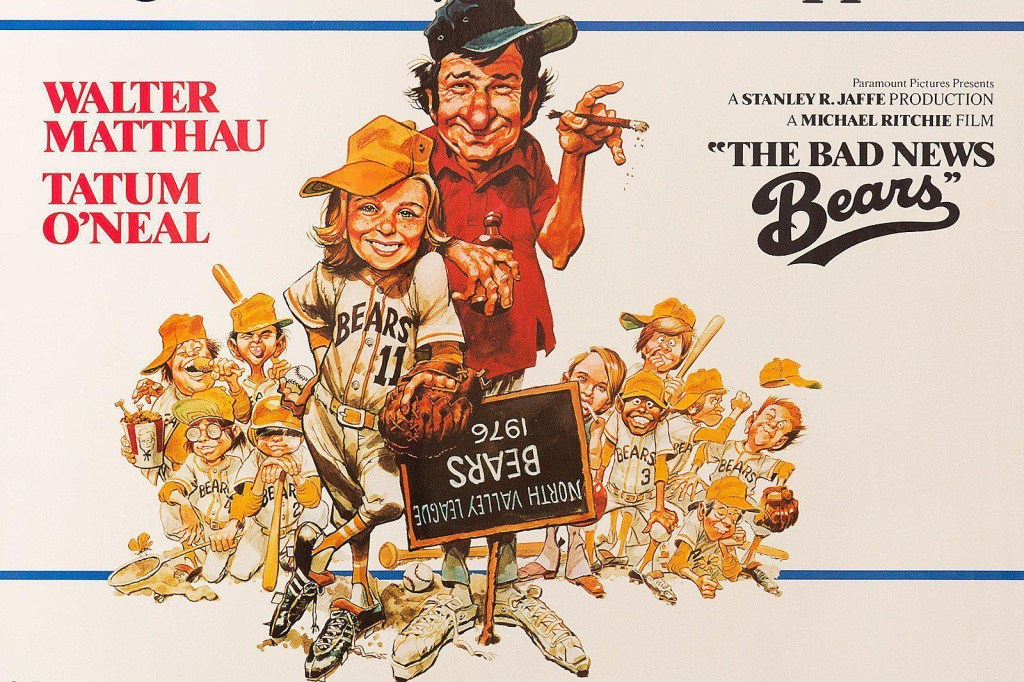
5. The Bad News Bears, director: Michael Ritchie
4. All the President’s Men, director: Alan J Pakula
3. Network, director: Sidney Lumet
2. Carrie, director: Brian De Palma
1. Taxi Driver, director: Martin Scorsese
“All the animals come out at night,” intones protagonist/unreliable narrator Travis Bickle, played by Robert De Niro. “Whores, skunk pussies, buggers, queens, fairies, dopers, junkies. Sick. Venal. Someday a real rain will come and wash all this scum off the streets.” Screenwriter Paul Schrader exorcised his own demons in this grim, unsparing portrait of a man’s mental descent into urban darkness. Fortunately, he found a kindred spirit in Martin Scorsese, who had been given the script by Brian De Palma. Scorsese understood where the film needed to go. Pauline Kale got it. “This film doesn’t operate on the level of moral judgment of what Travis does,” she wrote in The New Yorker. “Rather, by drawing us into its vortex it makes us understand the psychic discharge of the quiet boys who go berserk.”
1977:
10. Suspiria, director: Dario Argento
9. 3 Women, director: Robert Altman
8. The Kentucky Fried Movie, director: John Landis
7. Eraserhead, director: David Lynch
6. The Late Show, director: Robert Benton
5. Sorcerer, director: William Friedkin
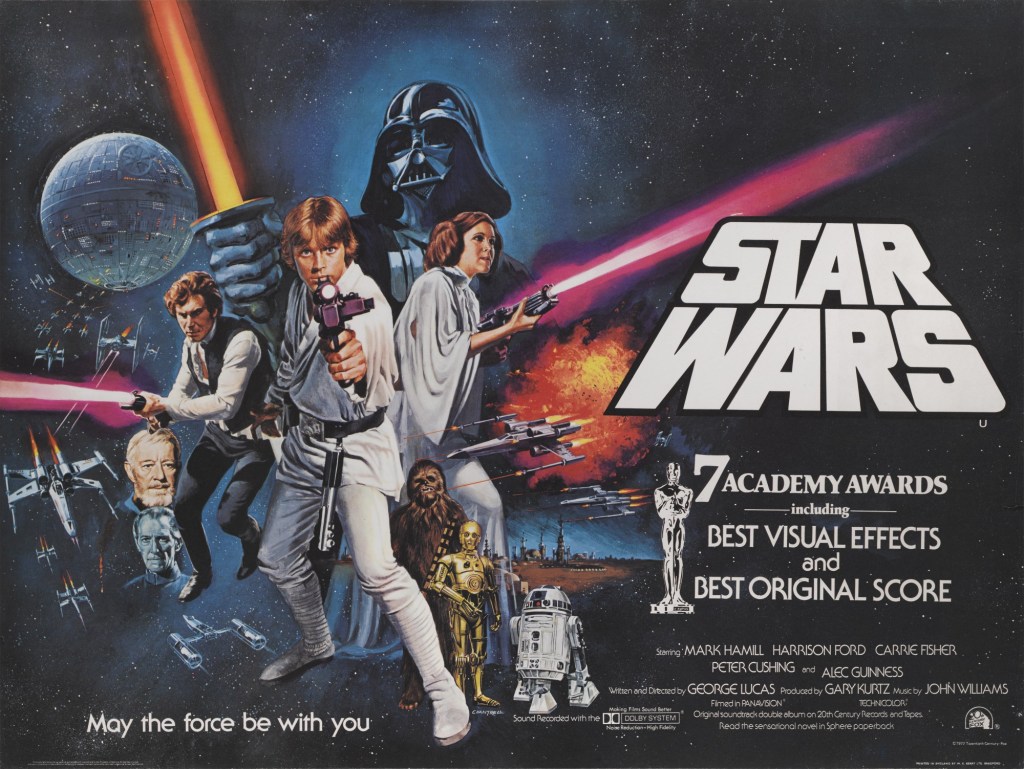
4. Star Wars, director: George Lucas
3. Slap Shot, director: George Roy Hill
2. Close Encounters of the Third Kind, director: Steven Spielberg
1. Annie Hall, director: Woody Allen
I can’t disavow how essential some Woody Allen movies were for me growing up. There are films of his that I knew, loved, and could quote verbatim before the world learned what a creep he is (and possibly worse), and I cannot deny their mastery. Annie Hall, Allen’s sole Best Picture Oscar winner, is simply magnificent. “Throughout there are explosively comic set-pieces having to do with analysis, Hollywood, politics, you-name-it,” wrote The New York Times‘ Vincent Candy, “but the mood, ultimately, is somber, thoughtful, reflective.” All that said, Close Encounters of the Third Kind is a photo-finish second for me.
1978:
10. Straight Time, director: Ulu Grosbard
9. The Fury, director: Brian De Palma
8. The Deer Hunter, director: Michael Cimino
7. Girlfriends, director: Claudia Weill
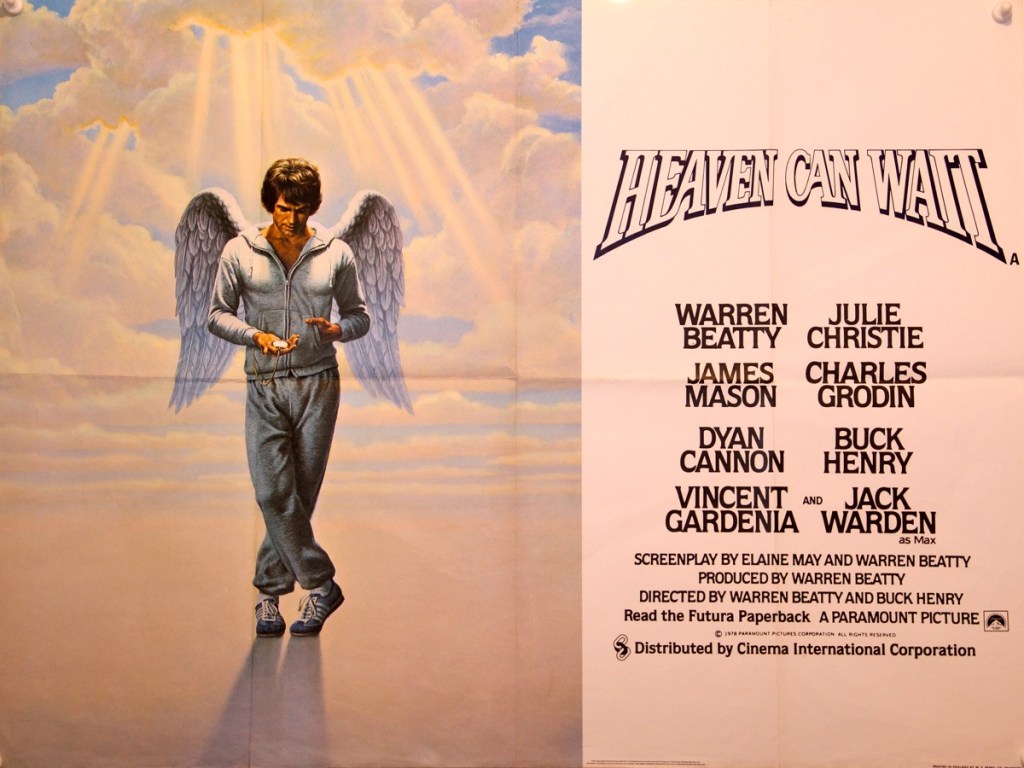
6. Heaven Can Wait, director: Warren Beatty & Buck Henry
5. I Wanna Hold Your Hand, director: Robert Zemeckis
4. Invasion of the Body Snatchers, director: Philip Kaufman
3. Dawn of the Dead, director: George A. Romero
2. Halloween, director: John Carpenter
1. National Lampoon’s Animal House, director: John Landis
“Seven years of college down the fucking drain.” “I’m a zit! Get it?” “Can I have 10,000 marbles, please?” The lines from Animal House have been implanted in my brain since the first time I sneaked into the R-rated picture at the long-gone French Market Mall movie theater. John Landis’ slobs-are-the-heroes comedy was everything this 12-year-old kid could have wanted: hilarious, subversive, smart, naked boobs. And while it spawned countless imitators of far inferior quality, only one movie had the incomparable John Belushi.
1979:
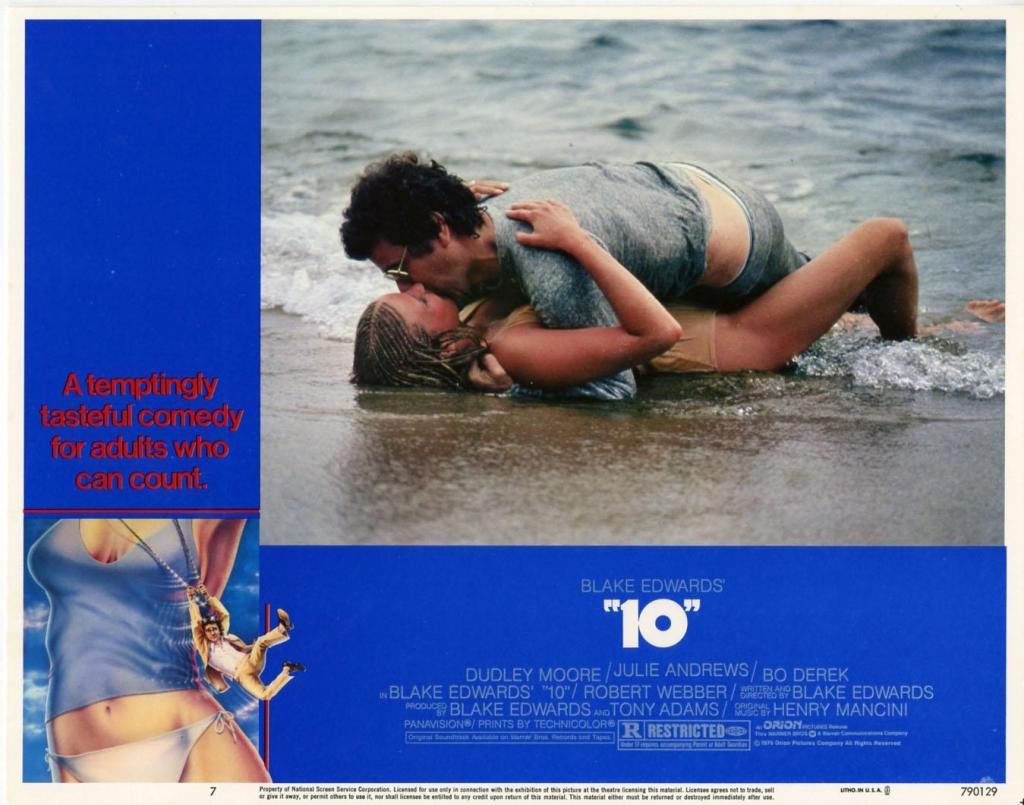
10. 10, director: Blake Edwards
9. The Brood, director: David Cronenberg
8. Over the Edge, director: Jonathan Kaplan
7. The Wanderers, director: Philip Kaufman
6. Alien, director: Ridley Scott
5. Life of Brian, director: Terry Jones
4. Quadrophenia, director: Franc Roddam
3. Breaking Away, director: Peter Yates
2. Being There, director: Hal Ashby
1. Apocalypse Now, director: Francis Ford Coppola
The making of Apocalypse Now is arguably more notorious than the movie itself. Francis Ford Coppola’s agonizing location shoot in the Philippines dragged on and on, and went some $20 million over budget. Coppola’s marriage fell apart. Martin Sheen came on to replace Harvey Keitel, only to suffer a heart attack that delayed filming significantly. Marlon Brando insisted on doing his own thing (for me, his meandering, improvisational monologues in the third act are the movie’s only major flaw). Still, there is no denying the visual spectacle of this Vietnam War epic. The set pieces here are jaw-dropping in their grandiosity, particularly Robert Duvall’s madman Capt. Kilgore commanding his men to surf and the Playboy bunnies’ USO show in the middle of the jungle.
 Cutting to the Chase with Phil Bacharach