Cinema has been terrifically successful at depicting dysfunctional marriages, but much less so at portraying the other kind. Make of that what you will. Of course, the warts-and-all approach might be preferable to the days back when the Production Code governed onscreen social norms. According to the Hollywood of yesteryear, happily married couples slept in separate twin beds and woke up each morning with perfectly coiffed hair and presumably breath that smelled of lavender and lilacs.
Perhaps filmdom’s most captivating examination of marriage is in Pixar’s Up. The 10-minute opening montage of that animated gem from 2009 illustrates the entirety of a marriage, from falling in love to the successive joys and sorrows, and finally to the inevitable death of a spouse.
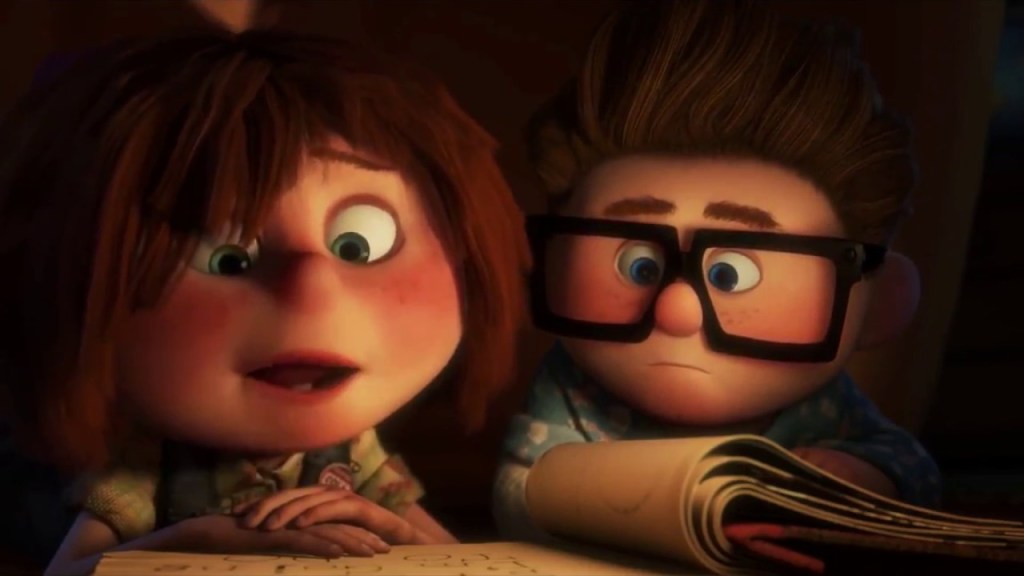
The sequence is exquisite, and one helluva gutsy swing for a family-friendly picture, but it set a bar that the rest of the movie, impressive as it is, could not hope to match.
For me, (Spoiler alert! Alliteration ahead!) the 10 most memorable movies about marriages are as follows:
10. Private Life (2018, dir: Tamara Jenkins)
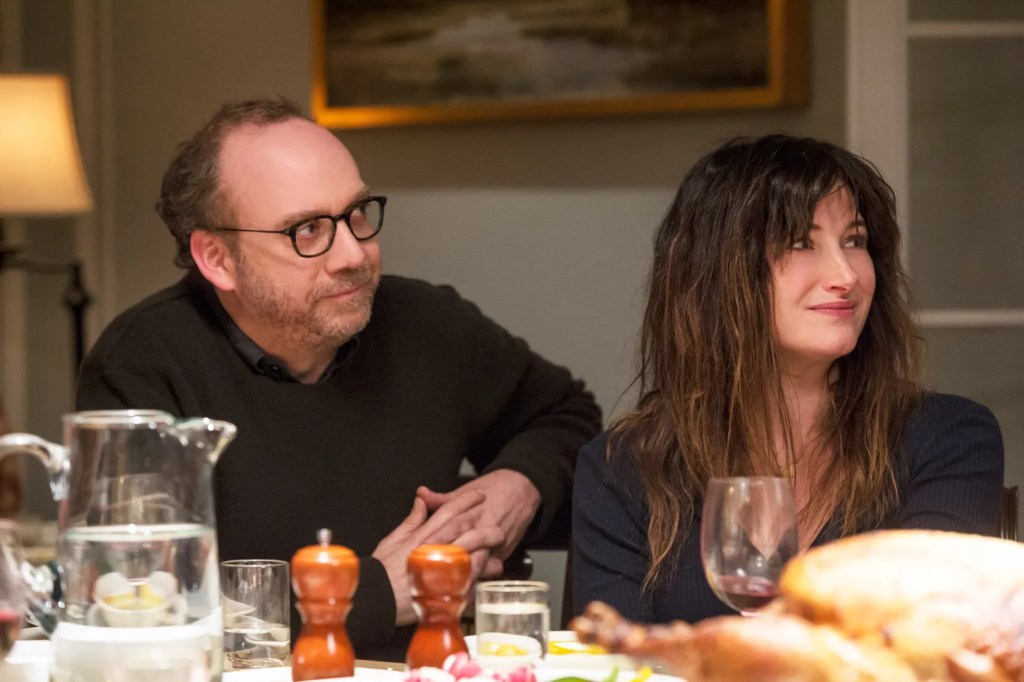
Having children forever changes a marriage, but so, too, can the long journey to pregnancy. Private Life focuses on how that quest can turn all-consuming. Paul Giamatti and Kathryn Hahn are Richard and Rachel, a middle-aged New York couple who have seemingly exhausted the IVF routes available to them when they approach Richard’s step-niece (Kayli Carter) about becoming an egg donor. Writer-director Tamara Jenkins brings a spiky but sympathetic perspective; the film feels unflinchingly honest even as it finds biting humor in its protagonists’ ordeal.
9. Dodsworth (1936, dir: William Wyler)
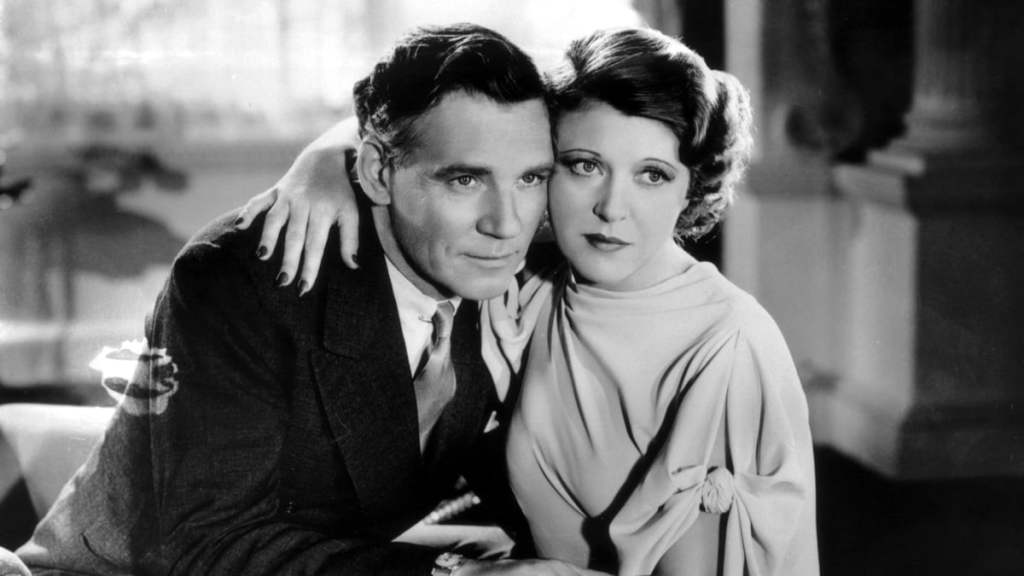
William Wyler’s adaptation of Sinclair Lewis’ celebrated novel is a surprisingly mature and (dare I say?) contemporary take on the often-rocky road of marriage. Walter Huston is industrialist Sam Dodsworth, eager to spend his retirement traveling abroad and learning about the world, but an extended stay in Europe with his younger wife Fran (Ruth Chatterton) only heightens a widening gulf between them. She flits through a series of affairs in a desperate attempt to cling on to her youth. Mary Astor is memorable as Sam’s would-be perfect companion. Made only a few years after Hollywood began strict enforcement of the Production Code, Dodsworth manages to approach thorny issues with a rare level of sophistication.
8. The Thin Man (1934, dir: W.S. Van Dyke)
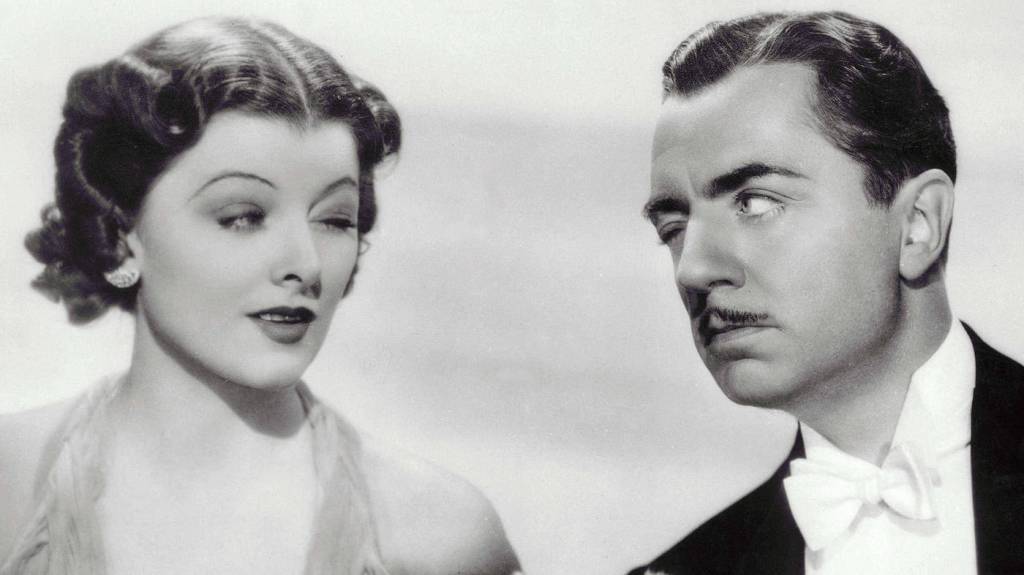
William Powell and Myrna Loy had only a handful of scenes together in 1934’s Manhattan Melodrama, but their chemistry was strong enough for MGM to cast the pair in The Thin Man, a delightfully fizzy adaptation of Dashiell Hammett’s 1931 detective novel. Nick is the sleuth, Nora the product of privilege. Together, they comprise a fun-loving and well-adjusted––if incredibly soused––married couple who know how to throw back a cocktail and deliver a good quip in equal measure. When Nora finds Nick at a bar and he admits to being on his sixth martini, she directs the waiter to line up five martinis for her to catch up. Nick, reluctant to investigate the case of a missing scientist (the titular character, by the way), explains to his wife, “I’m much too busy seeing that you don’t lose any of the money I married you for.”
7. Scenes from a Marriage (1974, dir: Ingmar Bergman)
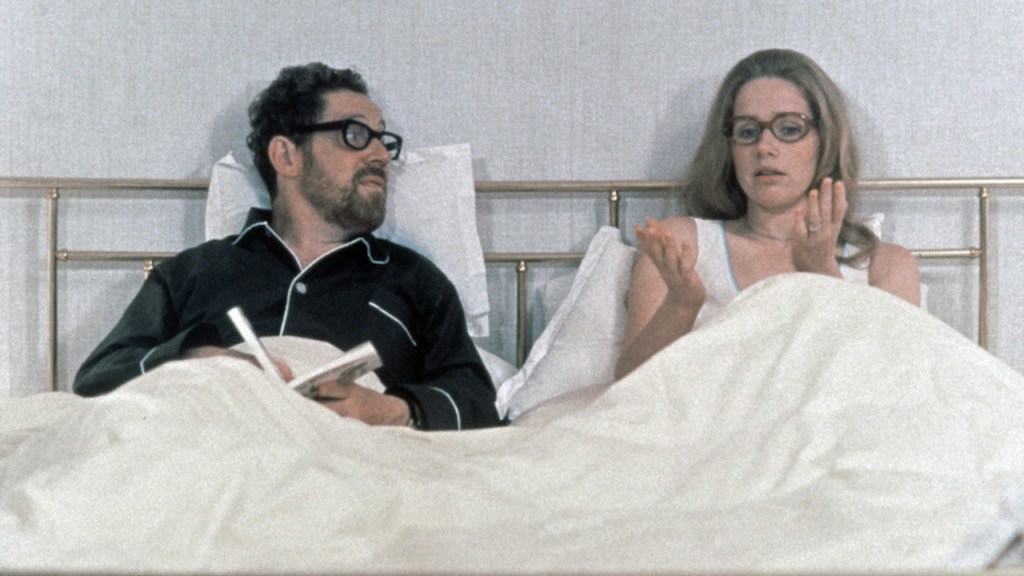
Ingmar Bergman’s dense examination of a marriage between two well-appointed professionals first appeared in Sweden as a TV miniseries. By outward appearances, Johan and Marianne (Erland Josephson and Liv Ullmann), married for 10 years, have the sort of relationship so idyllic as to be annoying. As Johan is told by a friend, his perfect marriage “makes one itch to puncture that beautiful balloon of yours.” The facade doesn’t last long. Johan leaves Marianne and their two young daughters for a mistress nearly 20 years his junior. Scenes from a Marriage is emotionally brutal, chiefly for Ullmann’s extraordinary performance as an attorney whose identity has been subordinated by her role as wife and mother.
6. Two for the Road (1967, dir: Stanley Donen)
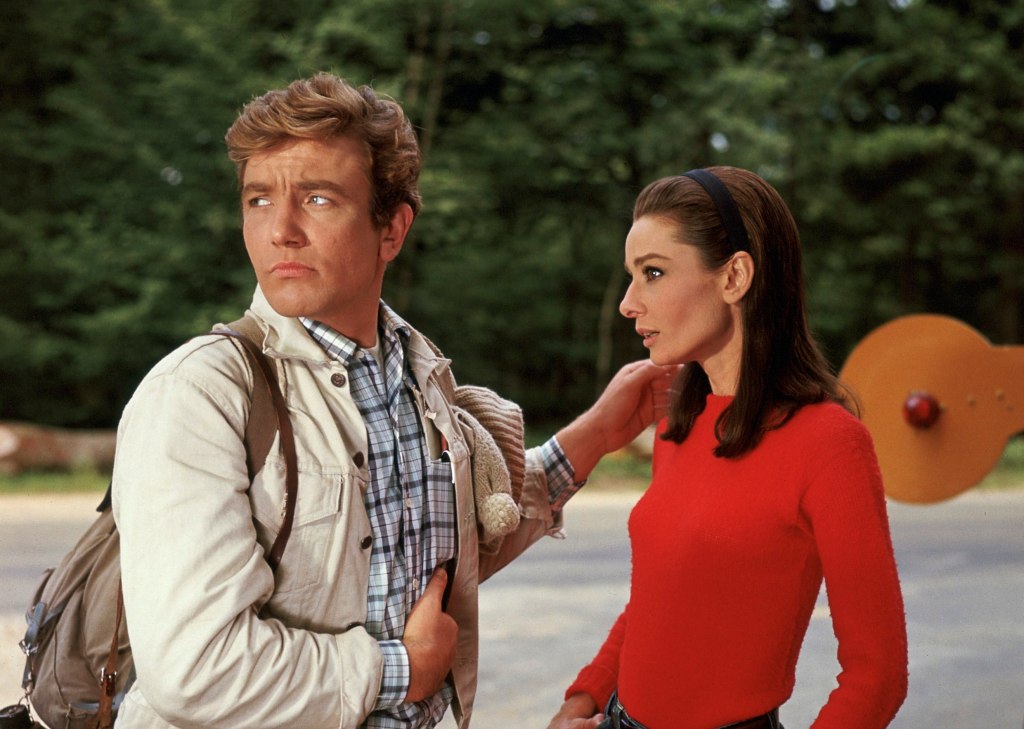
Joanna and Mark Wallace (Audrey Hepburn and Albert Finney) are smart, fashionable, attractive––and finding their marriage to be increasingly precarious. On a road trip (both literally and figuratively) through Europe, the pair reflect on how they have arrived at this point. The clever, tart screenplay by Frederic Raphael hopscotches between past and present. Hepburn and Finney make a good couple; the sexual chemistry evidently carried offscreen, too, as the stars reportedly knocked boots throughout production. Eleanor Bron and William Daniels steal their scenes as a particularly obnoxious couple who travel with the Wallaces. Buoyed by a very ‘60s Henry Mancini score, Two for the Road is a time capsule and terrific cinematic confection.
5. Another Year (2010, dir: Mike Leigh)
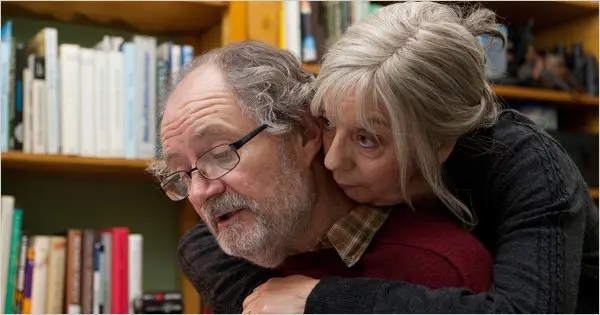
Mike Leigh approaches human interaction with the eye of an anthropologist and the heart of a poet. Companionship and the yearning for it drifts through the British filmmaker’s Another Year. At the center of its orbit is the sort of happily married couple you don’t often see on the big screen. Tom and Gerri (yes, they’ve heard all the jokes), played by Jim Broadbent and Ruth Sheen, are a well-adjusted pair of 60-something London professionals who have settled into a cozy flow of cooking, gardening and occasional visits from their adult son (Oliver Maltman). Loosely structured around the seasons, Another Year is anchored by lovingly lived-in performances from its ensemble cast.
4. A Woman Under the Influence (1974, dir: John Cassavetes)
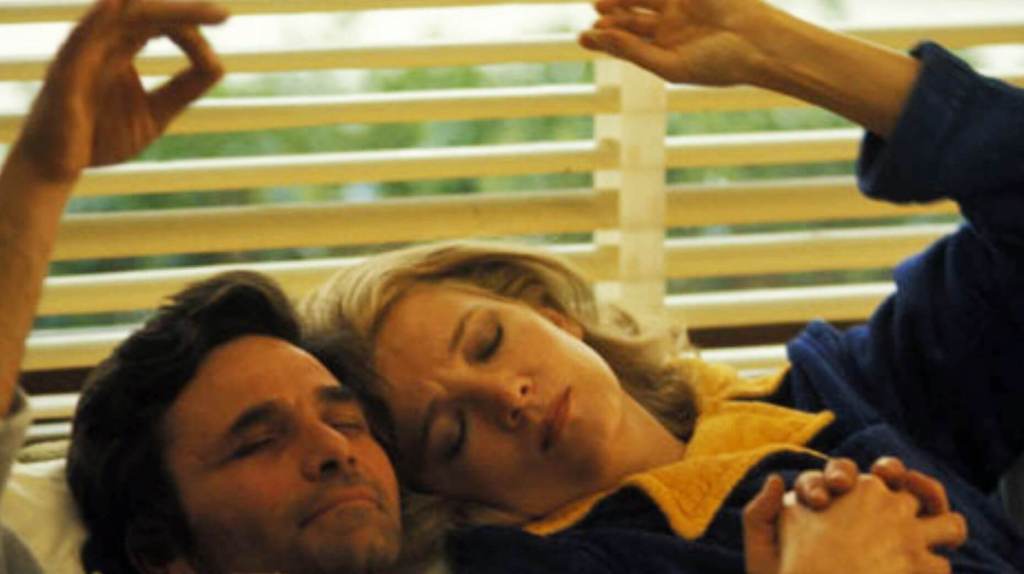
Gena Rowlands is heartbreaking as Mabel Longhetti, a housewife and mother whose struggle with mental illness imperils her family despite her devotion to them. It’s a career-best performance for the actress. Peter Falk is nearly as good as her blue-collar husband; he loves his wife but is incapable of knowing how to interact with her. The films of writer-director John Cassavetes, with their baggy structure and improvisational feel, are not for all tastes, and A Woman Under the Influence is no exception. Meet it on its own terms, however, and you will be richly rewarded, albeit exhausted emotionally. Cassavetes wrote the part for Rowlands, his real-life wife, and her portrayal earned an Academy Award nomination.
3. 51 Birch Street (2005, dir: Doug Block)
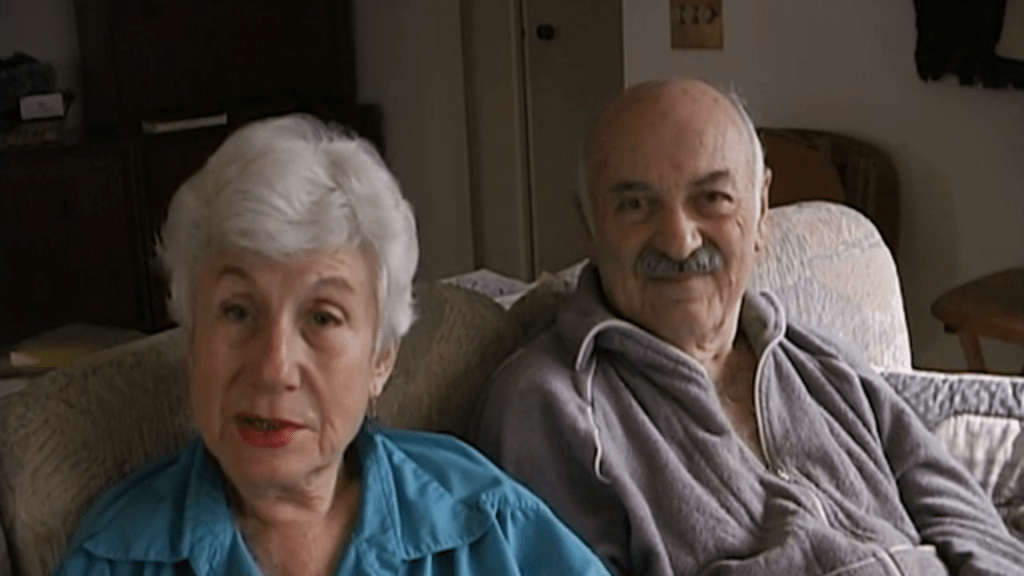
Do you really know your parents? And how much about them would you really want to know? Such questions fuel this haunting documentary. Doug Block delves into his parents’ 54-year marriage to explore the convoluted relationships of parent and child and that inevitable revelation when you realize your folks are just as deeply flawed as the rest of us. Block’s parents seem typical of many unions of the Greatest Generation, but their grown children are thrown into disarray when the mother dies of pneumonia. Only three months later, the Blocks’ 83-year-old patriarch announces he is marrying his secretary from four decades earlier and selling the family house. Had dad been unfaithful? Was their marriage a happy one? 51 Birch Street is told with elegant simplicity.
2. The Flavor of Green Tea Over Rice (1952, dir: Yasujirō Ozu)
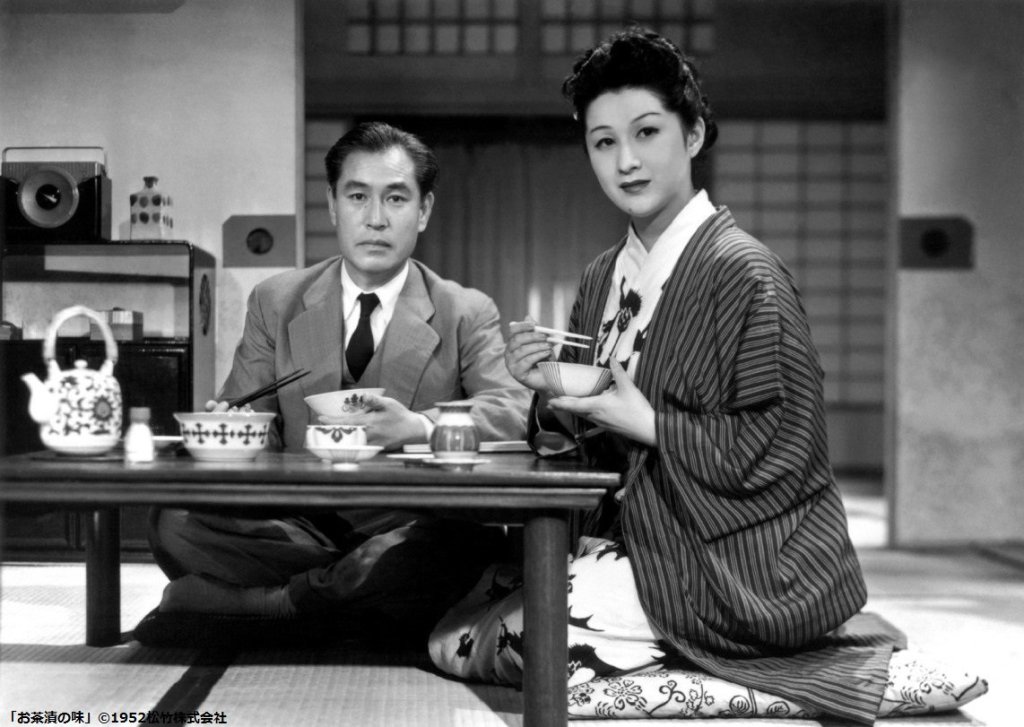
As with many Yasujirō Ozu works, this film’s relaxed pace and quiet revelations of character cast a subtle spell. Made just before the Japanese director’s landmark Tokyo Story, The Flavor of Green Tea Over Rice follows a marriage in which husband and wife have drifted into two distinctly different lives. Mokichi (Shin Saburi) is an unassuming business executive who treasures what he calls “blissful solitude” when he is not working. Taeko (Michiyo Kogure) concocts elaborate lies so she can have spa getaways with her niece and friends. Ozu’s observant camera offers a deep and rich meditation on married life, with food serving as a gently poignant symbol.
1. Who’s Afraid of Virginia Woolf? (1966, dir: Mike Nichols)
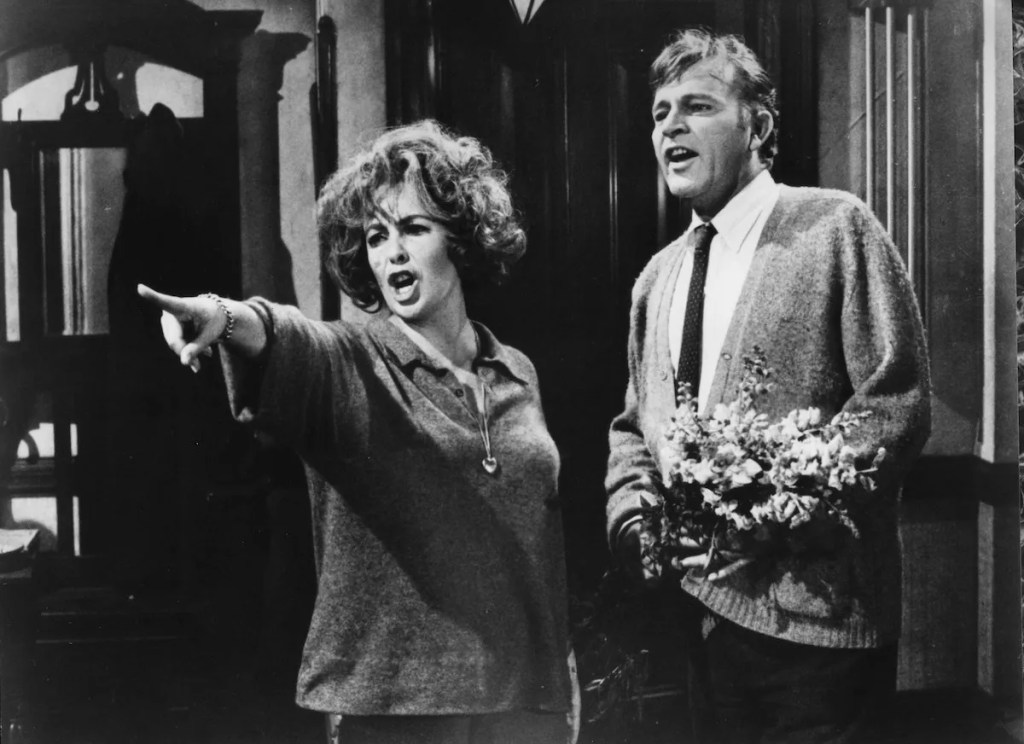
For his feature-film debut, director Mike Nichols did not lack ambition in taking on Edward Albee’s controversial 1962 play about a volatile marriage unraveling over the course of a drunken evening. Its rough language and frankness about sex and infidelity had been condemned by the National Catholic Office for Motion Pictures (previously known as the Legion of Decency) before shooting even began. As it turned out, the commercial and critical success of Who’s Afraid of Virginia Woolf? would help ensure the demise of the Production Code. In an inspired bit of stunt casting, Richard Burton and Elizabeth Taylor––whose own tumultuous marriage was gossip-column fodder at the time––are mesmerizing as George and Martha. George teaches at an unnamed university where Martha’s father is the longtime president. Following a work function, they play host to a handsome new professor and his mousy wife, played by George Segal and Sandy Dennis, and the night rolls from darkly funny barbs to flat-out psychological warfare. The principals are electrifying. For Taylor, the picture demonstrated acting chops that movie audiences didn’t know she had. Taylor and Dennis rightly earned Oscars.
Honorable mention: The Best Years of Our Lives, Black Bag, Blue Valentine, Bob & Carol and Ted & Alice, CODA, Easy A, Fargo, 45 Years, Husbands and Wives, Tokyo Story
 Cutting to the Chase with Phil Bacharach