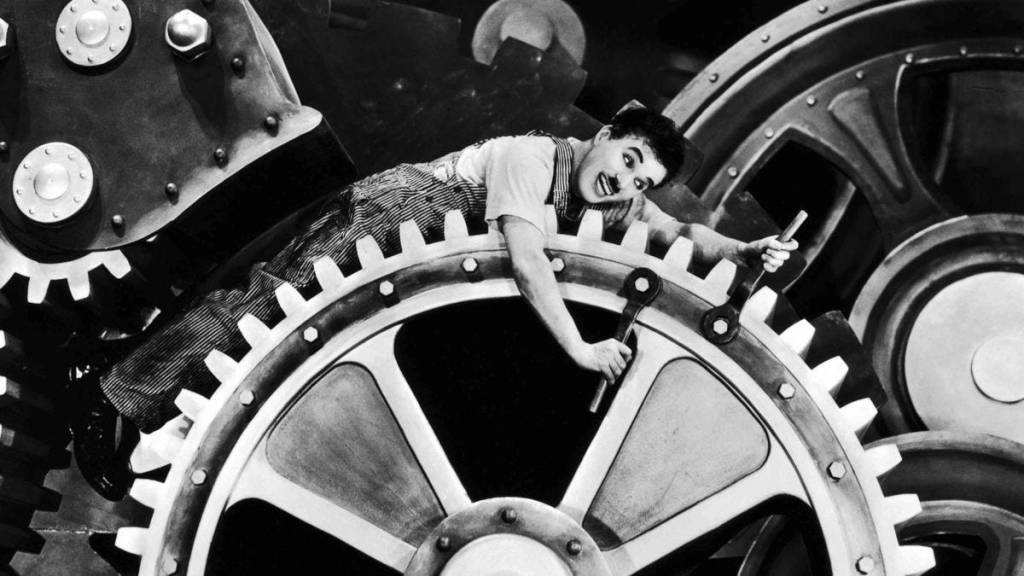
Americans spend about one-third of their lives at work. That translates to roughly 90,000 hours, although in fairness that figure probably includes plenty of time spent watching the clock and scrolling through TikTok. The workplace, being such a huge chunk of modern existence, is ripe for melodrama and farce, and everything in between. What follows are my picks for the 10 best movies about the workplace. The list is in ascending order, based on my entirely subjective sense of how much they have something to say about life on the job.
10. Up in the Air (2009, dir: Jason Reitman)

Released in the wake of the 2008 Great Recession, Up in the Air is that rare movie with the good fortune (if you want to call it that) of tapping into the national zeitgeist. Timing is everything. George Clooney plays a for-hire corporate hatchet man whose professional and private life is about cutting people adrift. His view of relationships is tested by Vera Farmiga as a flirty fellow frequent flyer. Writer-director Jason Reitman and co-writer Sheldon Turner manage to skirt expectations about where this sophisticated comedy-drama is headed.
9. Two Days One Night (2014, dir: Jean-Pierre Dardenne and Luc Dardenne)

Suspense doesn’t always need a bomb or even a bad guy to lure audiences to the edge of their seats. Sometimes all one needs is a decent person trying to extract herself from a desperate situation. Filmmaking brothers Jean-Pierre and Luc Dardenne mine gut-wrenching drama in Two Days One Night, a French-language movie in which Marion Cotillard plays Sandra, a Belgian solar-panel factory worker planning to return to work after being on medical leave for depression. Discovering that her employer plans to cut her loose by pitting her co-workers against her, Sandra is forced to fight for her job by lobbying her colleagues even though it would mean a pay cut for them. Cotillard is excellent in this humane, unerringly compassionate film.
8. Perfect Days (2023, dir: Wim Wenders)
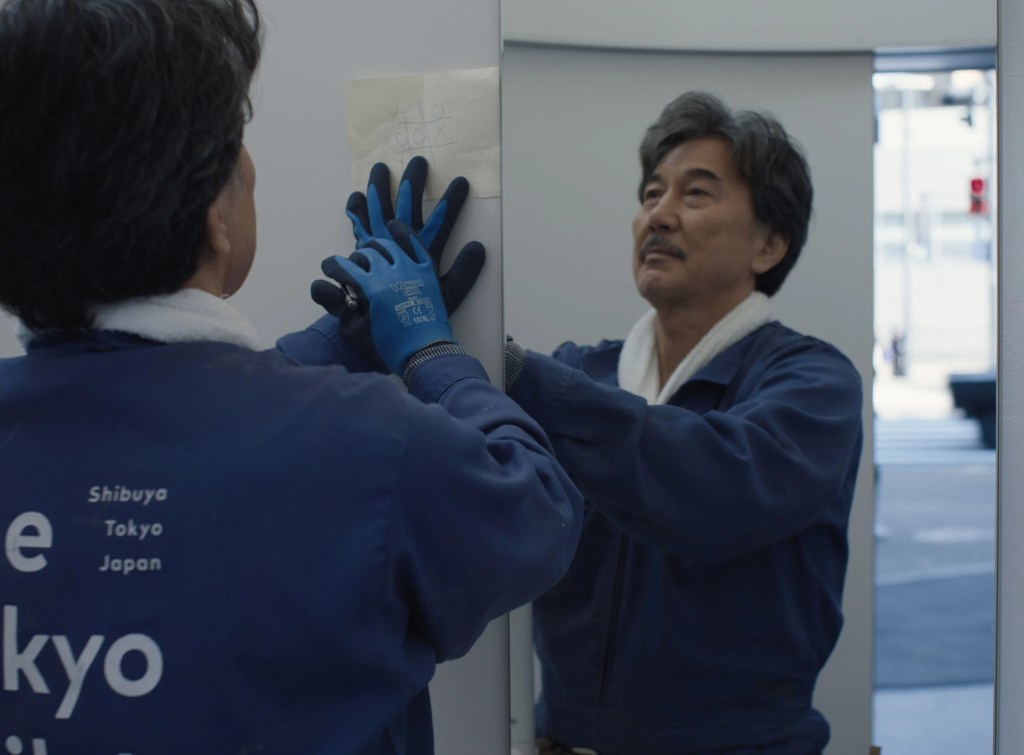
Cleaning bathrooms never seemed so Zen-like. Wim Wenders’ entrancing slice-of-life character study is anchored by Kôji Yakusho’s wonderful performance as Hirayama, a public toilet cleaner in Tokyo. The man takes quiet pride in his work, as he should. Hirayama is diligent, efficient and painstakingly thorough as he attends to various bathrooms around the city. The Japanese-language Perfect Days is so committed to its vision that you begin to understand the serenity and fulfillment Hirayama finds in the routines of his life. He cleans toilets. He looks at trees. He listens to cassettes of old rock songs––and it becomes transcendent. If a movie could serve as a mantra, it would be this aptly titled work about work.
7. Silkwood (1983, dir: Mike Nichols)
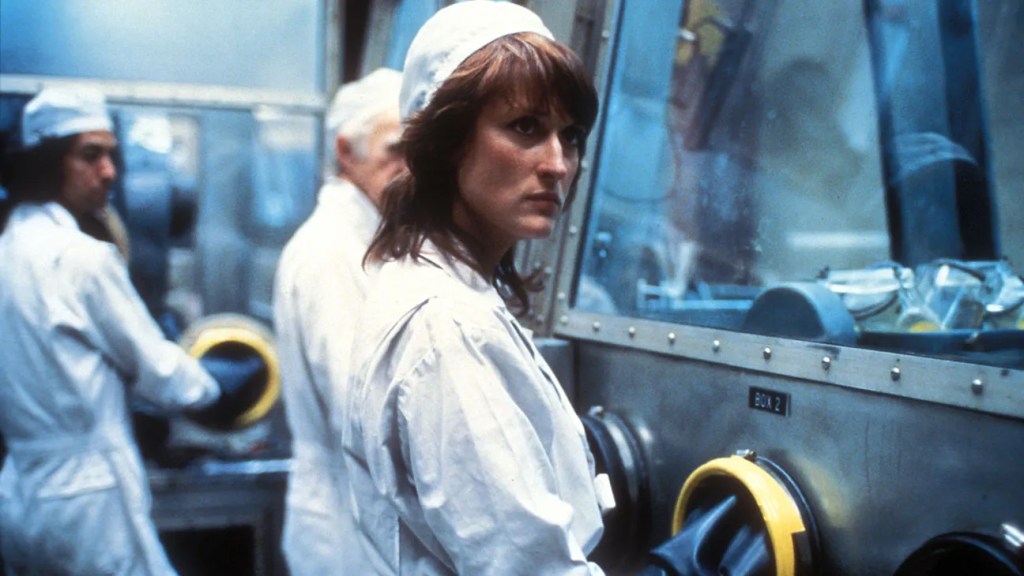
In 1974, Karen Silkwood, a nuclear processing plant worker in small-town Oklahoma, died in a single-car accident the night she was on her way to meet a New York Times reporter––allegedly with evidence damaging to the plant. In Silkwood, director Mike Nichols and screenwriters Nora Ephron and Alice Arlen craft an absorbing, no-frills account of this single mother’s transformation from dutiful worker to whistleblower once she discovers shoddy safety measures at the Kerr-McGee Cimarron Plutonium Recycling Facility. Her quiet courage, however, only alienates her further from the colleagues she is trying to protect. Meryl Streep, who portrayed Silkwood, told Mark Harris in Mike Nichols: A Life, how the director was committed to authenticity: “None of us knew anything about plutonium processing or how fuel rods were made. It was important for him to learn it and get it right.” Streep, that human chameleon of an actress, is characteristically remarkable.
6. Glengarry Glen Ross (1992, dir: James Foley)
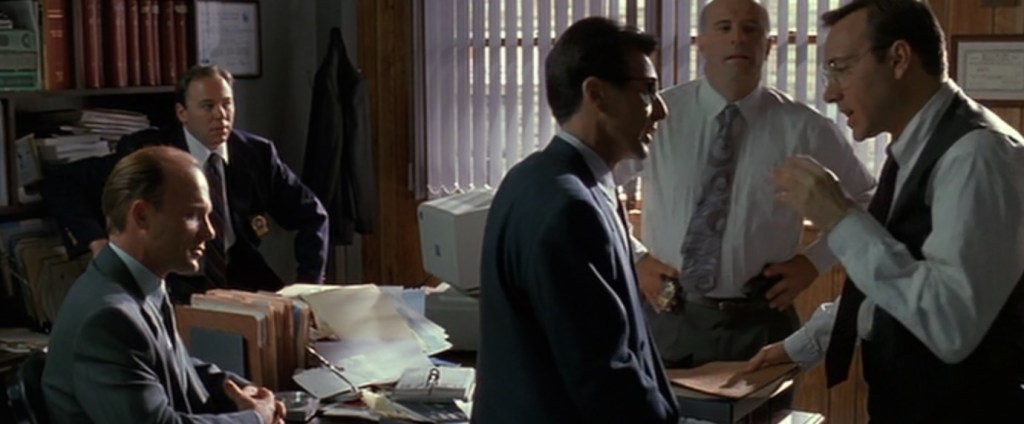
For acclaimed screenwriter David Mamet, the workplace is an arena for existential dread. In this adaptation of Mamet’s Pulitzer Prize-winning stageplay, salesmen for Premiere Properties congregate for an office meeting one rainy evening. They hear from Alec Baldwin, a trainer sent from the home office downtown, who proceeds to belittle and insult the men (“You see this watch? This watch costs more than your car”) before forcing them into a night of sales competition if they hope to keep their jobs. Mamet’s acrid, profanity-laced dialogue gets a workout from some of the finest actors of their generation, a cast that includes Al Pacino, Jack Lemmon, Ed Harris, Kevin Spacey, Alan Arkin and Jonathan Pryce. That’s a murderers’ row of heavy hitters. Director James Foley wisely gets out of the way, but he and cinematographer Juan Ruiz Anchía deserve credit for ensuring the look of Glengarry Glen Ross is as distinguished as its acting.
5. Norma Rae (1979, dir: Martin Ritt)
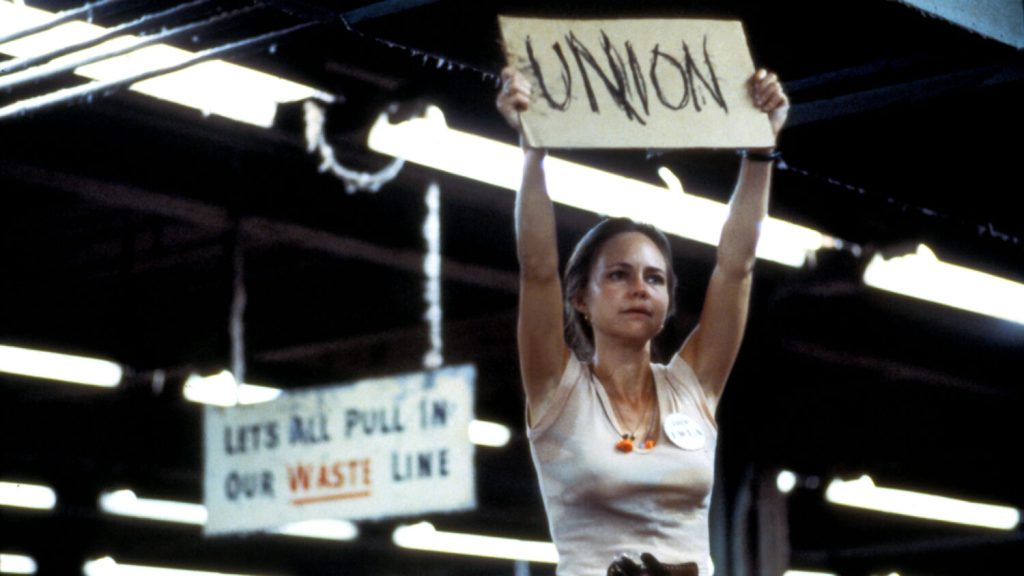
Sally Field not only proved she had serious acting chops, but she won the Academy Award for Best Actress in the fervently pro-labor union Norma Rae. This straightforward melodrama is based on the real-life story of Crystal Lee Sutton, a textile worker who battled her company town in the Deep South in an effort to unionize her fellow workers. Director Martin Ritt, known for his facility with actors, worked closely with Field for her first starring movie role. “Every day was filled with focus and challenge, with calling on skills I didn’t know I owned because I’d never had the opportunity to use them,” Field writes in her memoir, In Pieces. The film’s most iconic scene has Norma standing atop her work table on the deafeningly loud factory floor to hold up a homemade sign reading “UNION.” Even after decades of being parodied, the image still gives me chills. Earned sentiment like this helps one forgive how the screenplay by husband-and-wife team Irving Ravetch and Harriet Frank Jr. occasionally trades in cultural stereotypes, particularly Ron Liebman as a Jewish labor organizer from New York.
4. Blue Collar (1978, dir: Paul Schrader)
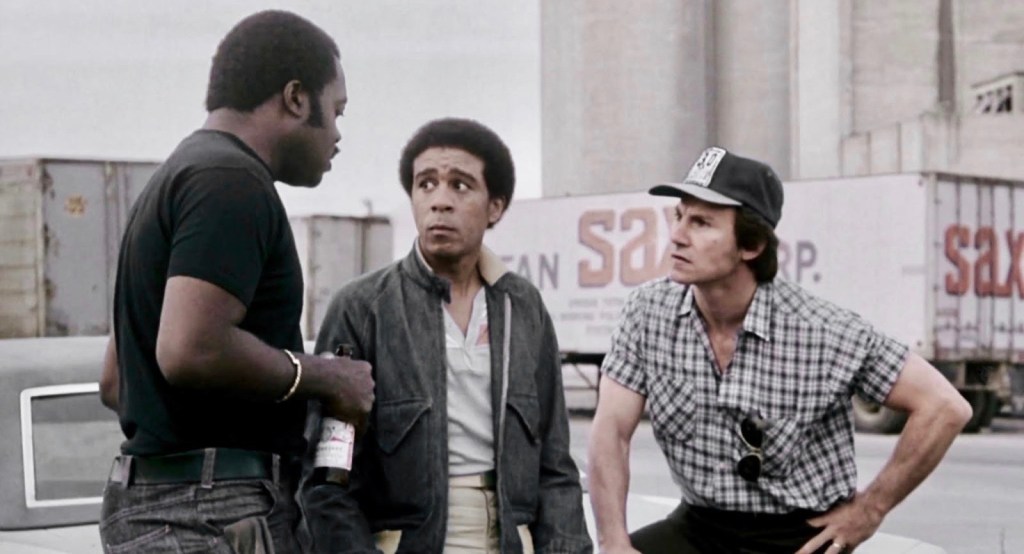
After making a splash as the screenwriter of Taxi Driver and similarly tough-minded films, Paul Schrader made his directorial debut in this searing crime drama about three Detroit assembly-line auto workers, all in dire financial straits, who scheme to rob the headquarters of their own labor union. Written by Schrader with his brother Leonard, Blue Collar was a nightmare to make. Leads Richard Pryor, Harvey Keitel and Yaphet Kotto did not get along, and Schrader clashed repeatedly with Pryor, who reportedly even pulled a gun on the director at one point. But perhaps all the tensions off camera helped inform an onscreen vibe of unmistakable anger. The film seethes with rage––at a corrupt United Auto Workers union, at an indifferent corporate America, and at the socioeconomic divisions that the powerful exploit to keep the powerless fighting among themselves. “This isn’t a liberal movie but a radical one,” wrote film critic Roger Ebert in a review that favorably compared Blue Collar to Elia Kazan’s 1954 classic, On the Waterfront, “and one I suspect a lot of assembly-line workers might see with a shock of recognition.”
3. The Apartment (1960, dir: Billy Wilder)
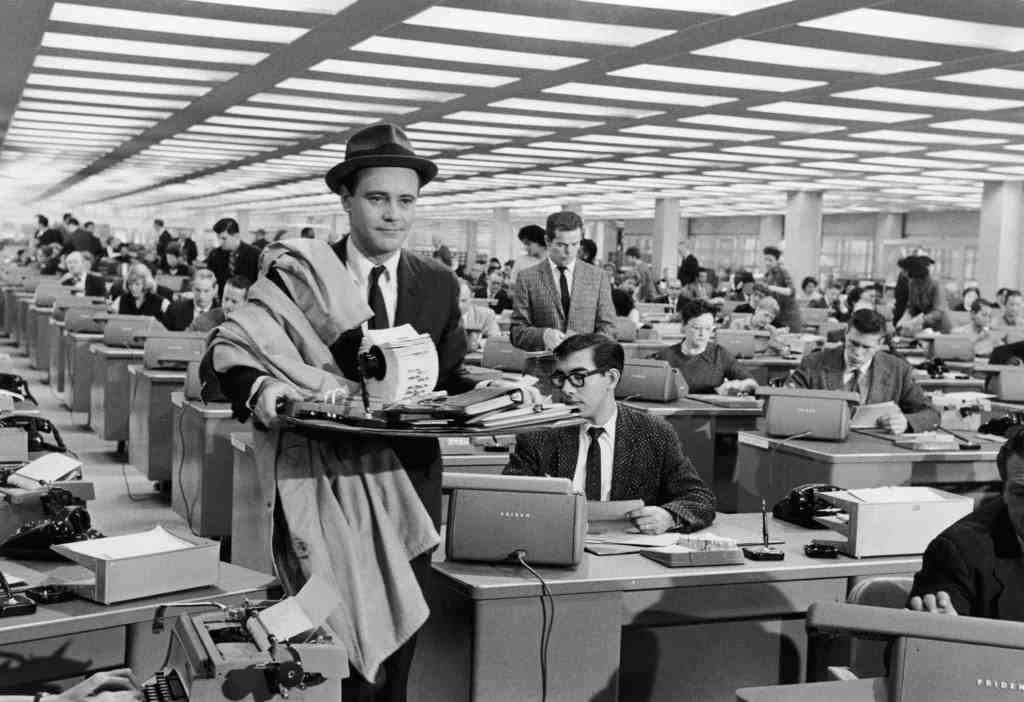
Sleeping your way to the top of the corporate ladder isn’t the most ethical business strategy, but it can be effective. C.C. Baxter (Jack Lemmon) doesn’t sleep his way to the top of Consolidated Life, but you could say it’s sleeping-to-the-top adjacent (to borrow a phrase hopefully archaic by the time you read this). The affable bachelor routinely loans out his New York City apartment to mid-level company executives for their illicit rendezvouses, even going as far as providing booze and cheese crackers while he waits outside in the cold like a schnook. If writer-director Billy Wilder and co-writer I.A.L. Diamond are to be believed, corporate America of 1960 entailed a lot of extracurricular activity, or at least that was the case at the fictitious Consolidated Life, where even big boss Jeff Sheldrake (Fred MacMurray) is not beyond leading on Fran Kubelik (Shirley MacLaine), the company’s elfin elevator operator on whom Baxter is smitten. Like Wilder’s best work, this comedy-drama comes with a bitter aftertaste.
2. The Big City (1963, dir: Satyajit Ray)
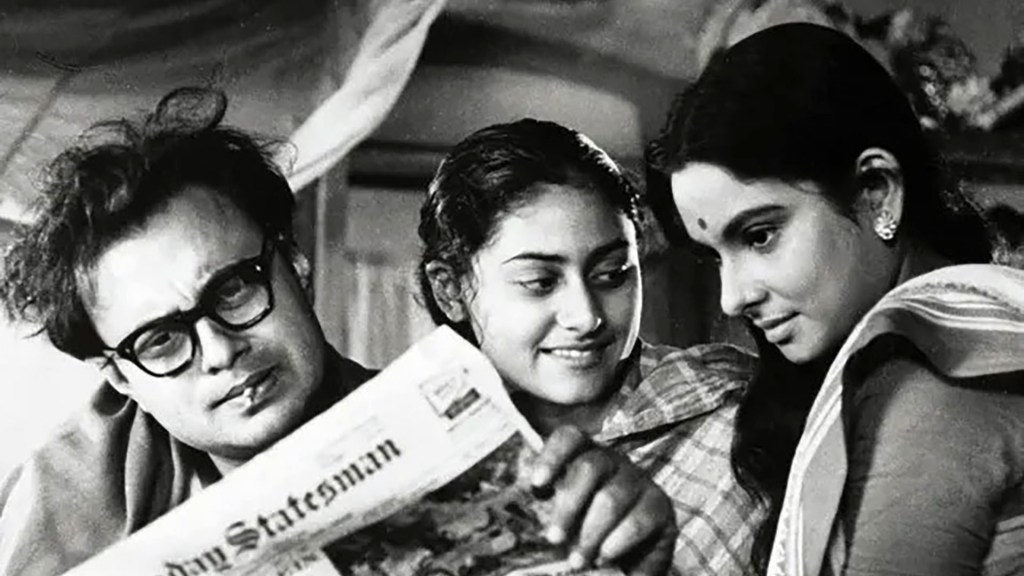
Otherwise known as Mahanagar, this masterpiece from writer-director Satyajit Ray proves to be a surprising tale of female empowerment in the working world. Madhabi Chakraborty is sublime as Arati, a Calcutta housewife whose modest life entails caring for husband Subrata (Anil Chatterjee), their children and her in-laws. Money is tight, however, and in a burst of inspiration, Arati resolves to get a job. Subrata is supportive when Arati lands work as a door-to-door saleswoman. She quickly impresses her boss (Haradhan Bannerjee), develops a friendship with an Anglo-Indian coworker (Vicky Redwood) and demonstrates leadership qualities. But Arati’s growing confidence––and paycheck––threaten Subrata, even when he loses his job as a bank clerk. “The wife’s a hero, the husband’s a zero,” he tells himself ruefully. The Big City is handsomely crafted and emotionally rich. There are no villains here, only people trying to reconcile tradition with modern economic reality. Ray’s characters, even Arati’s traditionalist family members who loathe the idea of a woman in the workplace, are treated with sympathy and respect. “The film does what it sets out to do, and it’s perceptive and revealing; it stays with you,” wrote renowned movie critic Pauline Kael.
1. Office Space (1999, dir: Mike Judge)
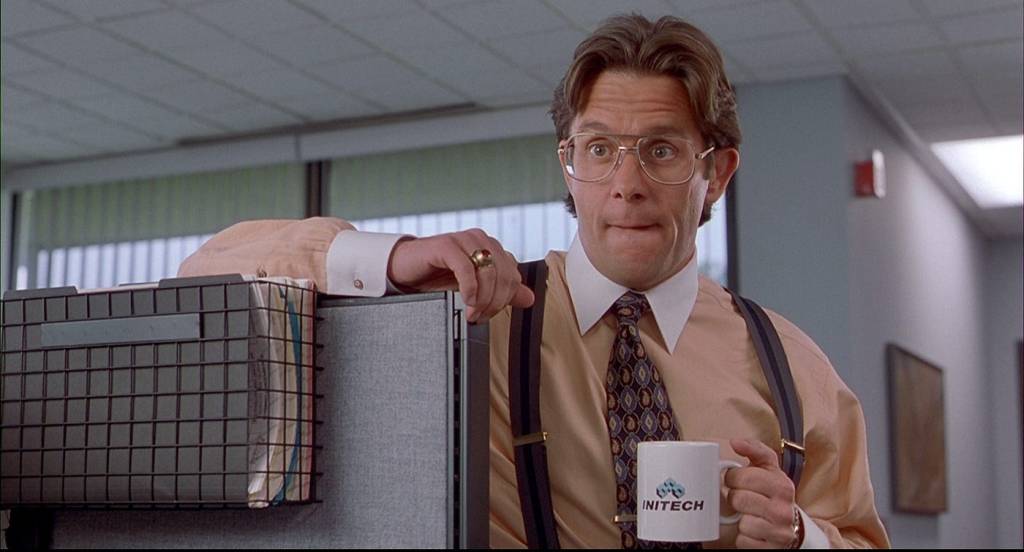
One of the great comedies of the 1990s, Office Space did not find its audience until it received a second life on home video. The initial failure in theaters is truly inexplicable, as this live-action debut of writer-director Mike Judge is a first-rate skewering of cubicle culture. “Every single day of my life has been worse than the day before,” bemoans our underachieving hero, Peter Gibbons (Ron Livingston). His worklife at Initech, a nondescript software company, is a daily ordeal of mind-numbing drudgery punctuated by TPS reports (whatever that is) and unpleasant interactions with his passive-aggressive supervisor Bill Lumbergh (Gary Cole in one of the all-time great comic performances). Peter’s work friends, played by David Herman and Ajay Naidu, are equally miserable. A co-worker of theirs (Robert Riehle) is seen as fortunate when a car accident leaves him immobilized, since a lawsuit payout means he never has to work again. Soul-crushing job malaise is hardly confined to Initech. Peter’s romantic interest, Joanna (Jennifer Aniston, doing what she can with a severely underwritten part) waits tables at Chotchkie’s, a Chili’s-style restaurant where staff is scolded if they aren’t wearing a sufficient amount of “flair” on their hideous uniforms. Office Space is smart enough to understand its universal relatability for office drones everywhere. “People hate their fucking jobs,” Naidu tells author Brian Raftery in Best. Movie. Year. Ever.: How 1999 Blew Up the Big Screen. “They feel dehumanized, and they commiserate with the guys in Office Space. They are those guys.”
Honorable mention: The Bad Sleep Well (1960, dir: Akira Kurosawa), Clerks (1994, dir: Kevin Smith), Executive Suite (1954, dir: Robert Wise), Matewan (1987, dir: John Sayles), Modern Times (1936, dir: Charles Chaplin), Nine to Five (1980, dir: Colin Higgins), Patterns (1956, dir: Fielder Cook), Sorry We Missed You (2019, dir: Ken Loach), Support the Girls (2018, dir: Andrew Bujalski), Working Girl (1988, dir: Mike Nichols)
 Cutting to the Chase with Phil Bacharach