From streaming docuseries and podcasts to books and social-media deep dives, true crime is everywhere. Movies recognized the sensational appeal early. One of cinema’s first true-crime reenactments came in 1901 with Execution of Czolgosz with Panorama of Auburn Prison, in which Edison Studios combined actual footage of the prison with a staged depiction of President William McKinley’s assassin being strapped into the electric chair. Eleven years later, D.W. Griffith made The Musketeers of Pig Alley, widely regarded as the first gangster film. Cinema and true crime have been accomplices ever since.

The genre’s most enduring films minimize exploitation—or reject it altogether—focusing instead on what crimes and criminals reveal about how we live, what we value, and why we fear.
Serial killers and organized crime are excluded here; those subgenres are fertile enough to warrant their own lists.
10. Star 80 (1983, dir. Bob Fosse)
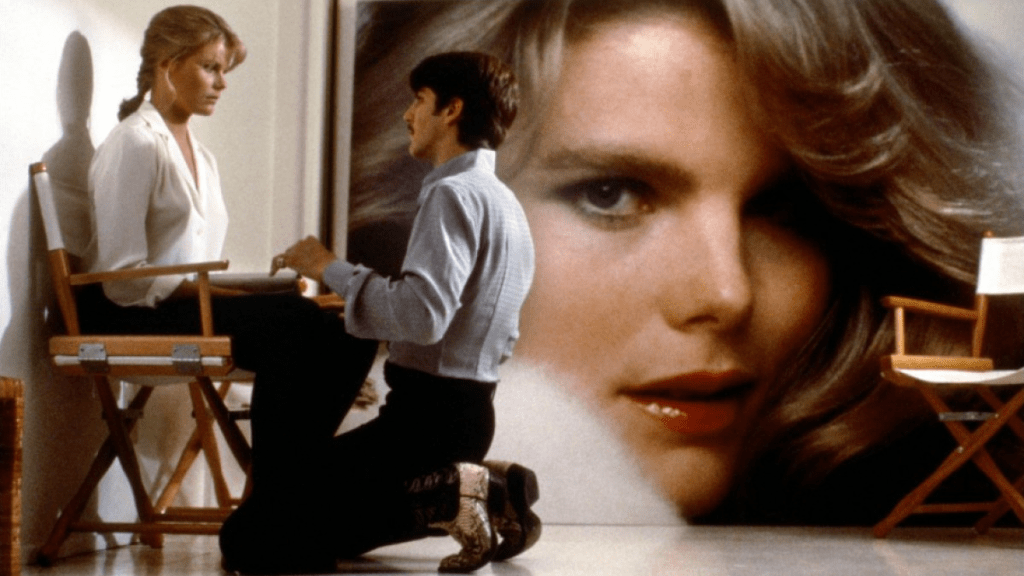
Bob Fosse incorporates faux-documentary interviews into this deeply unsettling account of the events leading to the murder of 1980 Playboy Playmate of the Year Dorothy Stratten. Mariel Hemingway is heartbreaking as Dorothy. She is working at a Dairy Queen in Vancouver, Canada, when she meets and is romanced by two-bit con man Paul Snider. Portrayed by Eric Roberts with memorable queasiness, Paul gradually takes control of the young woman’s life, steering her into nude modeling, becoming her husband and manager, and seething with jealousy when her success leaves him behind. Star 80, which turned out to be Fosse’s final film (he died in 1987), divided critics and audiences. While undeniably lurid, it is a disturbing autopsy of pathological possessiveness—and of an entertainment culture that commodifies Dorothy even as it professes to adore her.
9. They Won’t Forget (1937, dir. Mervyn LeRoy)
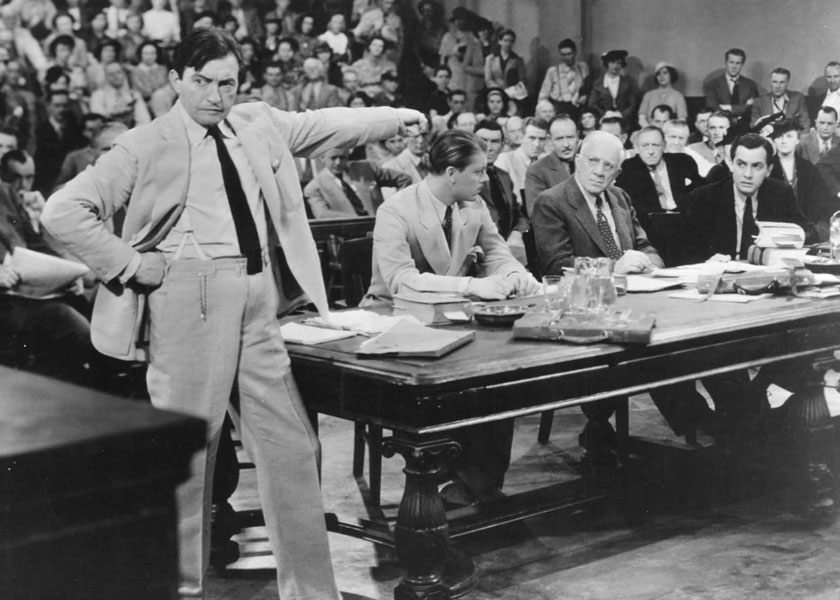
This somber drama is loosely based on the 1913 case of Leo Frank, wrongly convicted by a Georgia jury for the strangling of a teenage girl. Two years later, a mob kidnapped and killed the prisoner, who was Jewish, in a lynching widely seen as motivated by antisemitism. In Mervyn LeRoy’s movie version for Warner Bros., Leo Frank is now Robert Perry Hale (Edward Norris), a teacher in an unnamed Southern state whose Jewish identity has been replaced by his status as a distrusted Yankee outsider. The picture marks the debut of Lana Turner as the young victim. Some of the performances haven’t aged as gracefully as others (and Claude Rains’ southern accent as the local prosecutor is particularly unconvincing), but They Won’t Forget remains a powerful indictment of mob rule.
8. American Animals (2018, dir. Bart Layton)
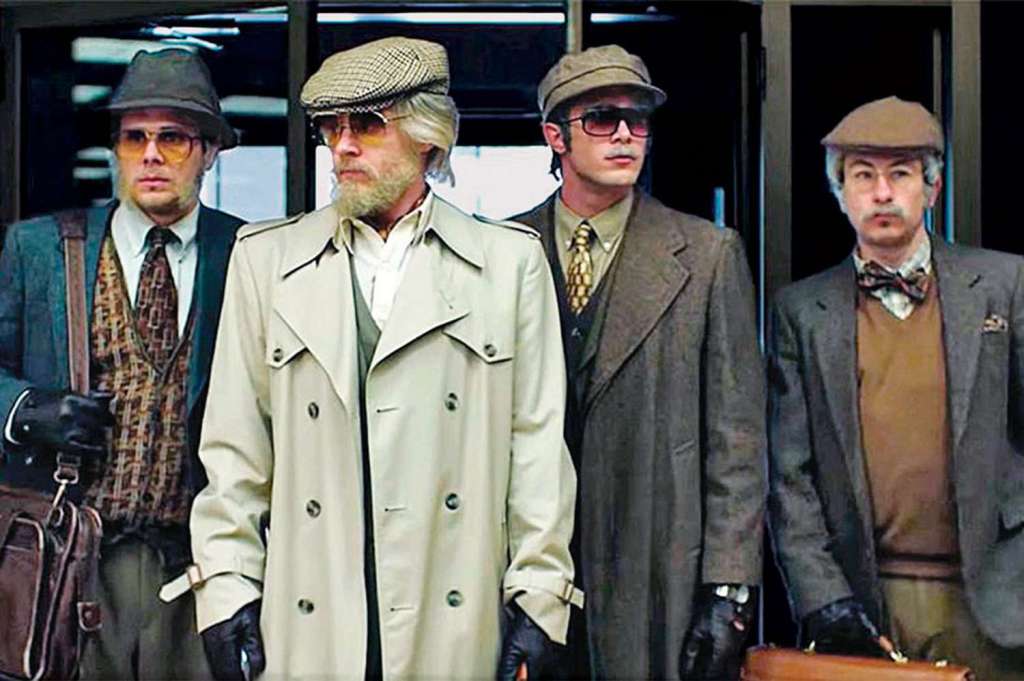
Bart Layton, whose The Imposter is one of the most distinctive documentaries of the 2010s, combines fictional narrative and documentary in this fascinating retelling of a 2004 rare-books heist from a college library in Lexington, Kentucky. American Animals interweaves the real thieves with their movie doppelgängers. Barry Keoghan, Evan Peters, Jared Abrahamson, and Blake Jenner portray the inept college students who set out to steal several treasures from Transylvania University’s special collections, including John James Audubon’s The Birds of America and a first edition of Darwin’s On the Origin of Species. Even the librarian they overpowered in the ill-considered robbery, Betty Jean Gooch, makes an appearance; she later said doing the movie was cathartic. The interplay between the rueful criminals and their film doubles gives an otherwise gripping heist picture an increasingly haunted quality.
7. Bernie (2011, dir. Richard Linklater)
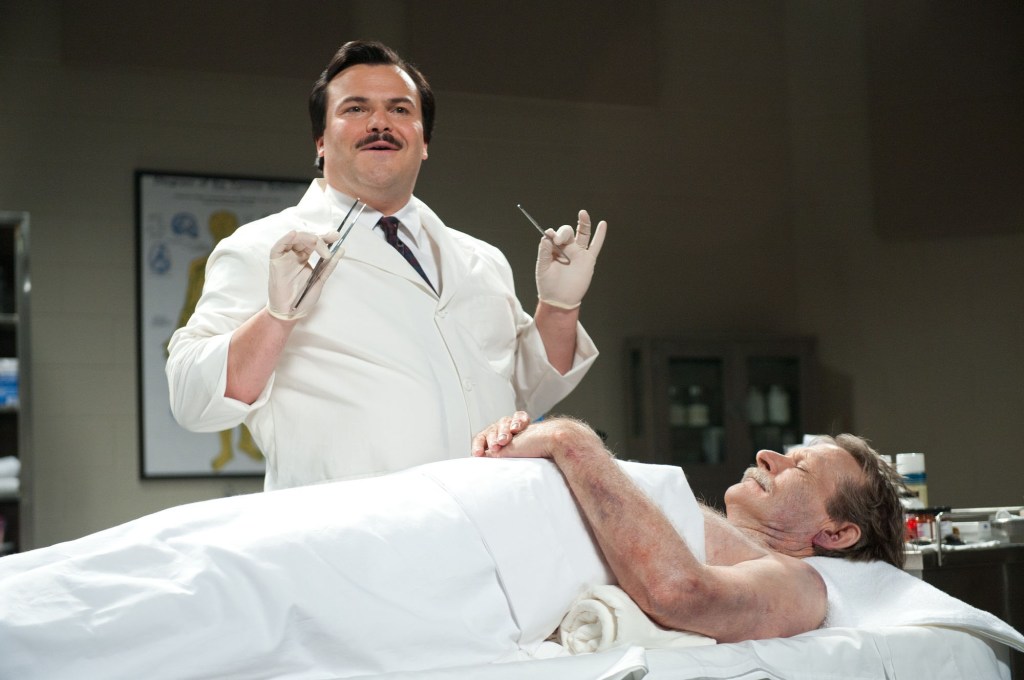
Bernie Tiede was the toast of Carthage, Texas. An assistant funeral director with a talent for consoling grieving widows, he was gentle, solicitous, and unflaggingly polite. Bernie’s spot-on tenor enlivened many a funeral service, and he lavished gifts on seemingly everyone he met. But Bernie was also a murderer, convicted of killing an 81-year-old widow in 1996 and hiding her body in a freezer for months. In the eyes of townsfolk, however, the crime didn’t make him any less lovable. As the eponymous Bernie, Jack Black affects a Texas accent and dainty mannerisms that stop just shy of caricature. Richard Linklater blurs documentary and fiction in Bernie by surrounding his stars with interviews from actual Carthage residents who knew both Bernie and Marjorie Nugent (Shirley MacLaine), the ill-tempered widow he befriended before dispatching her with a .22 rifle. The interviewees’ fond recollections of Bernie become both a running joke and an unsettling portrait of communal bias. Matthew McConaughey is terrific as the local district attorney flummoxed by the killer’s astonishing popularity.
6. Heavenly Creatures (1994, dir. Peter Jackson)

Kate Winslet and Melanie Lynskey make unforgettable feature-film debuts in this tale set in 1950s New Zealand. Peter Jackson kicks off Heavenly Creatures with a vintage travelog of the city of Christchurch. It’s an impish start to what spirals into delusion, obsession, and murder. Winslet plays Juliet, a high school student newly arrived in Christchurch who befriends the perpetually scowling Pauline (Lynskey). Initially they bond over a shared appreciation for Mario Lanza; Pauline is drawn to Juliet’s rebellious streak and feigned worldliness. As the girls grow inseparable, they retreat deeper into an elaborate fantasy realm of mythical kingdoms, novels, and clay figures. “It’s the … intensity of the friendship that concerns me,” Juliet’s father (Clive Merrison) confides to Pauline’s parents, aghast that the girls might be more than platonic chums. Adding another uncanny layer, the real Juliet later reinvented herself as Anne Perry, a successful mystery novelist whose identity became known around the time of Heavenly Creatures’ release. Jackson laces this—love story, psychological thriller, fever dream?—with Grand Guignol theatrics. By turns erotic and chilling, Heavenly Creatures is difficult to classify and hard to shake off.
5. In Cold Blood (1967, dir. Richard Brooks)
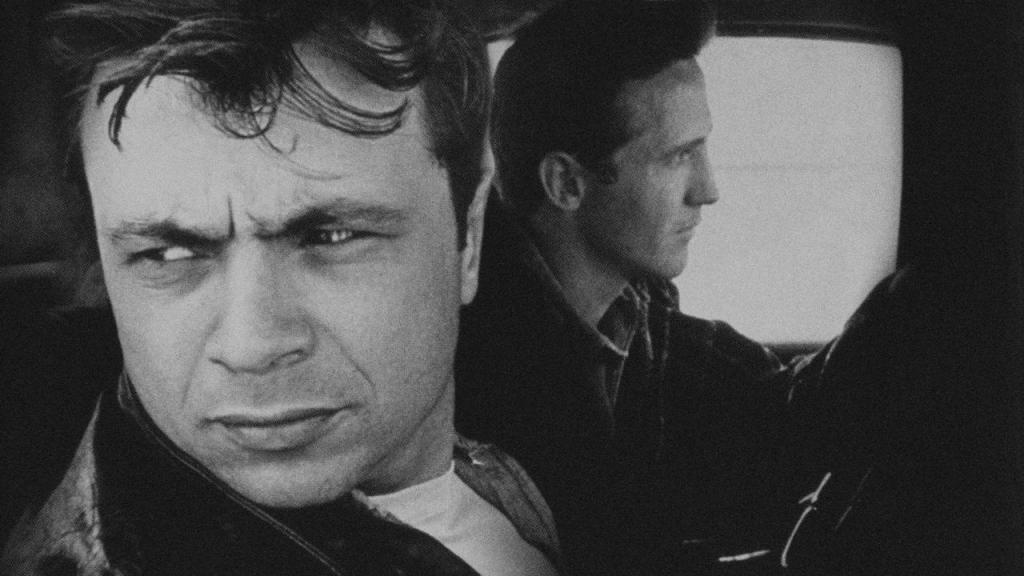
The film adaptation of Truman Capote’s 1966 nonfiction bestseller was destined for landmark status. His In Cold Blood was a milestone of what came to be known as New Journalism—a meticulously reconstructed account of how ex-cons Perry Smith and Dick Hickock burglarized and murdered a Kansas family in 1959. Robert Blake is Smith and Scott Wilson is Hickock, the pair who wrongly believed the Clutter family had vast sums of money in a safe in their Kansas farmhouse. There was no safe, but before the night was over, Smith and Hickock had killed Herb and Bonnie Clutter, and their two teenage children. Like its provocative source material, In Cold Blood unfolds through flashbacks. The tone is melancholic but with an emotional detachment, although Blake’s sad and soulful performance undercuts the film’s purposeful coolness. Writer-director Richard Brooks shot extensively in the actual Kansas locations, including the Clutter farmhouse, while Conrad Hall’s stark black-and-white cinematography gives the film the chill of crime-scene photos. Toward the close, Brooks dabbles in a bit of agitprop concerning Smith and Hickock’s executions by hanging. In Cold Blood argues that no moral sense can be extracted from senseless killing followed by more senseless killing.
4. The Honeymoon Killers (1970, dir. Leonard Kastle and Donald Volkman)
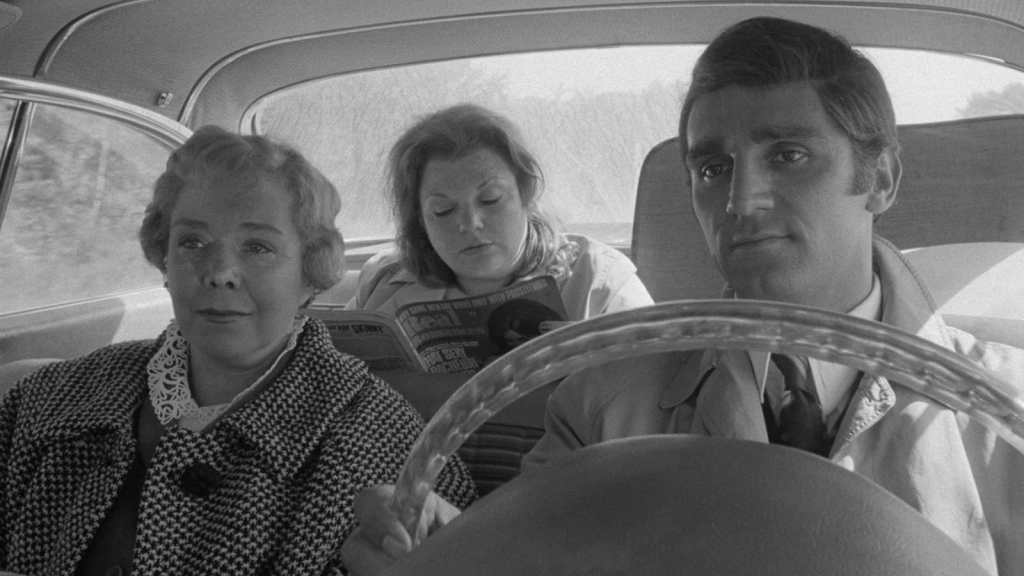
This delicious excursion in sleaze quickly became a cult classic, buoyed by champions as diverse as shock connoisseur John Waters and French New Wave icon François Truffaut, the latter of whom called it his favorite American film. The Honeymoon Killers recounts the crimes of Martha Beck (Shirley Stoler) and Ray Fernandez (Tony Lo Bianco), the so-called “Lonely Hearts Killers” who in the 1940s murdered women they met through personal ads. For Martha, a lonely, obese nurse with a hair-trigger temper—“I’m not so sure Hitler wasn’t right about you people!” she barks at a disagreeable supervisor—it is love at first sight when she meets Ray, a Spanish gigolo from New York. Together they bilk older women who fall for Ray’s charms, but the violently possessive Martha finds it increasingly difficult to pose as Ray’s sister. The leads are riveting, but Stoler is a particular standout, straddling camp and outright terror. Part of the movie’s sordid appeal stems from the limitations of its roughly $200,000 budget. While one wonders what it would have looked like had initial director Martin Scorsese not been fired early on, the picture’s grainy black-and-white cinematography and uneven supporting performances contribute to its down-and-dirty power.
3. Compulsion (1959, dir. Richard Fleischer)
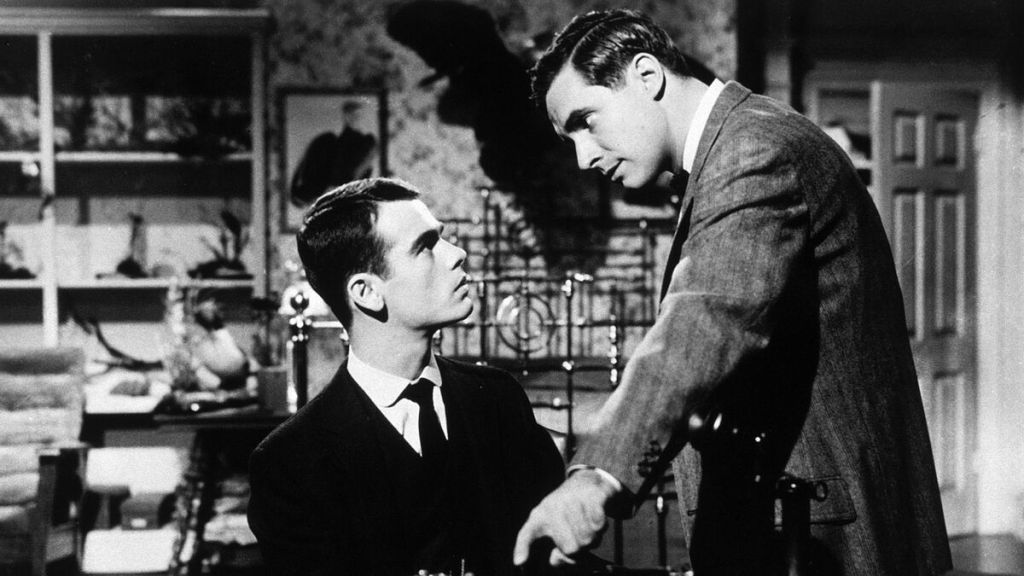
The names have been changed, but little else in Compulsion disguises its basis in the 1924 murder of 14-year-old Bobby Franks by Nathan Leopold and Richard Loeb, Chicago sons of privilege who believed their considerable intellects entitled them to commit “the perfect crime” without detection. They were wrong, as it turned out, especially when Leopold accidentally left his eyeglasses at the crime scene. Clarence Darrow, one of the greatest criminal defense attorneys of his day, persuaded the judge to spare them execution. Compulsion is a taut, tense dramatization of the case, with Bradford Dillman and Dean Stockwell stunning as the cold-blooded young men and Orson Welles bringing gravitas to the Darrow role. Richard Fleischer and screenwriter Richard Murphy allow the young men’s intimate, controlling bond to register more clearly than it does in Alfred Hitchcock’s Rope (1948), which is also based on Leopold and Loeb, although Production Code-era reticence keeps much of the relationship as lovers implicit. While I admire Rope, I find Compulsion the superior work.
2. Bonnie and Clyde (1967, dir. Arthur Penn)
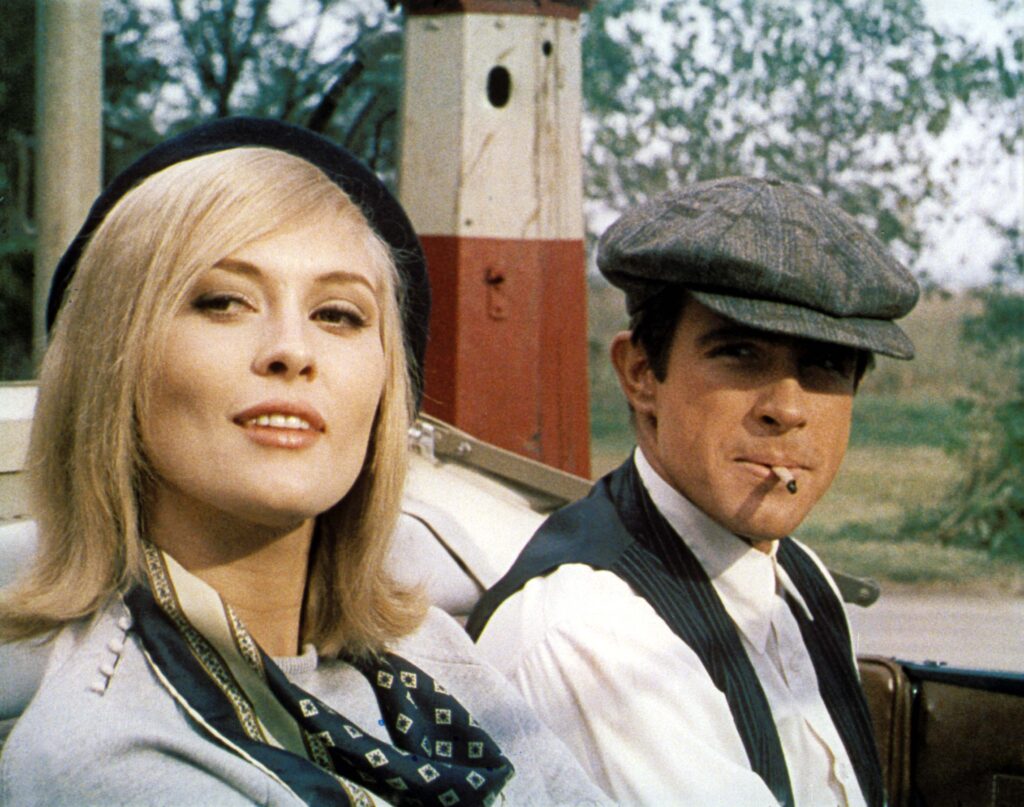
Bonnie and Clyde has been dissected more thoroughly than a dead frog in biology class. Warren Beatty and Faye Dunaway, both superb, play Depression-era outlaws Clyde Barrow and Bonnie Parker whose crime spree cut across the central United States before law officers ambushed and killed them in Louisiana in 1934. While the movie fudges some aspects of the bank-robbing duo, particularly in downplaying their viciousness, Bonnie and Clyde was never meant to be a historical document. It is, however, a historic and artistic milestone. Its antihero protagonists, seriocomic tone, and unforgettably violent ending reverberated through mainstream Hollywood. It took a while for critics to get it. Some high-profile publications savaged the picture until Pauline Kael came to its defense in The New Yorker. Even Warner Bros. boss Jack Warner didn’t like it. According to Chris Yogerst’s The Warner Brothers, at an early screening, Warner cautioned director Arthur Penn, “If I have to go pee, the picture stinks.” He then took multiple trips to the john. When the houselights came up, Warner fumed: “What the fuck is this? That’s the longest two hours and 15 minutes I ever spent.” In the end, the picture received 10 Oscar nominations and won two: Supporting Actress for Estelle Parsons, playing Clyde’s sister-in-law Blanche, and Cinematography for Burnett Guffey
(See more in The 20 best needle drops in film.)
1. Dog Day Afternoon (1975, dir. Sidney Lumet)
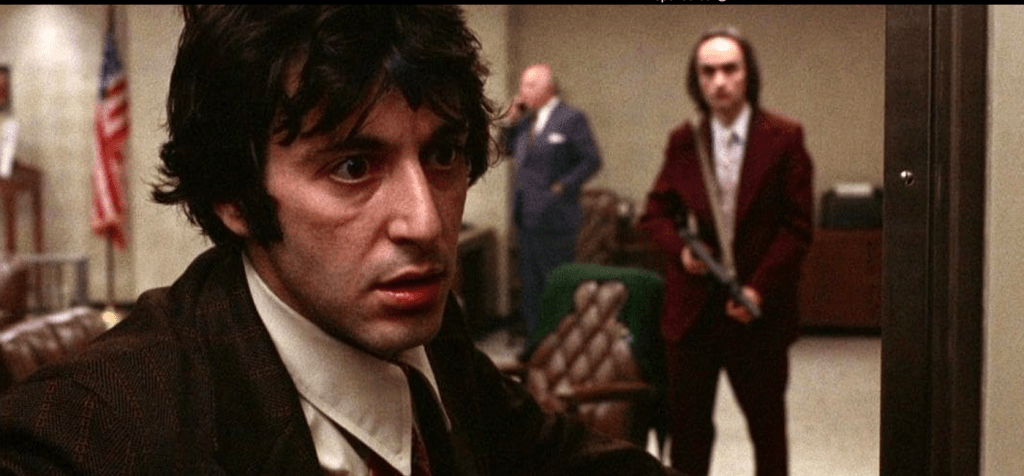
Sidney Lumet’s masterful comedy-drama of an ill-fated bank heist is perfect. Really, Dog Day Afternoon is a perfect film. Based on the 1972 robbery of a Brooklyn bank, Frank Pierson‘s Oscar-winning screenplay is sharp and incisive. Sonny Wortzik (Al Pacino) and his dim but loyal accomplice Sal (John Cazale) knock over a Brooklyn bank modeled on the Chase Manhattan branch targeted in the actual incident. Things go badly from the outset, and in short order, the building is surrounded by police and FBI agents. The botched robbery turns into a hostage situation, as the surprisingly endearing crooks realize the bank employees are their only chance out of their predicament. Gawkers gather outside to cheer on Sonny, who plays to the crowd by tossing out handfuls of cash. The crowd’s enthusiasm cools when news reports reveal that Sonny wants the money to finance gender-affirming surgery for his transgender lover, Leon (a terrific Chris Sarandon). The film’s unsentimental treatment of a queer subplot is bold and remarkably humane for a major studio film released only six years after Stonewall ignited the gay-rights movement. But Lumet’s matter-of-factness energizes the entire story. He eliminated a conventional score and shot with news-report immediacy, allowing the absurdity to arise from the behavior of people trapped together in real time. Performances across the board are phenomenal. In his Sonny Boy memoir, Pacino recalled that the “whole film was flying without a net”; it just might be his best work. But there’s always at least one dissenting critic. From prison, John Wojtowicz, the real-life Sonny, called the picture “a piece of garbage” that was only “30 percent true,” even as he praised Lumet and Pacino.
Honorable mention: At Close Range (1986, dir. James Foley), The Bling Ring (2013, dir. Sofia Coppola), Can You Ever Forgive Me? (2018, dlr. Marielle Heller), Catch Me if You Can (2002, dir. Steven Spielberg), Compliance (2012, dir. Craig Zobel), Foxcatcher (2014, dir. Bennett Miller), I Shot Andy Warhol (1996, dir. Mary Harron), Reversal of Fortune (1990, dir. Barbet Schroeder), Rope (1948, dir. Alfred Hitchcock), The Phenix City Story (1955, dir. Phil Karlson)

