Ever since 1915, when D.W. Griffith’s The Birth of a Nation transformed the Ku Klux Klan into Reconstruction-era heroes, cinema and historical accuracy have had a rocky relationship. Movies can illuminate the past and deepen our understanding of it, but they can also be full of hooey. After all, they’re stories—and storytellers never let facts stand in the way of a good yarn.
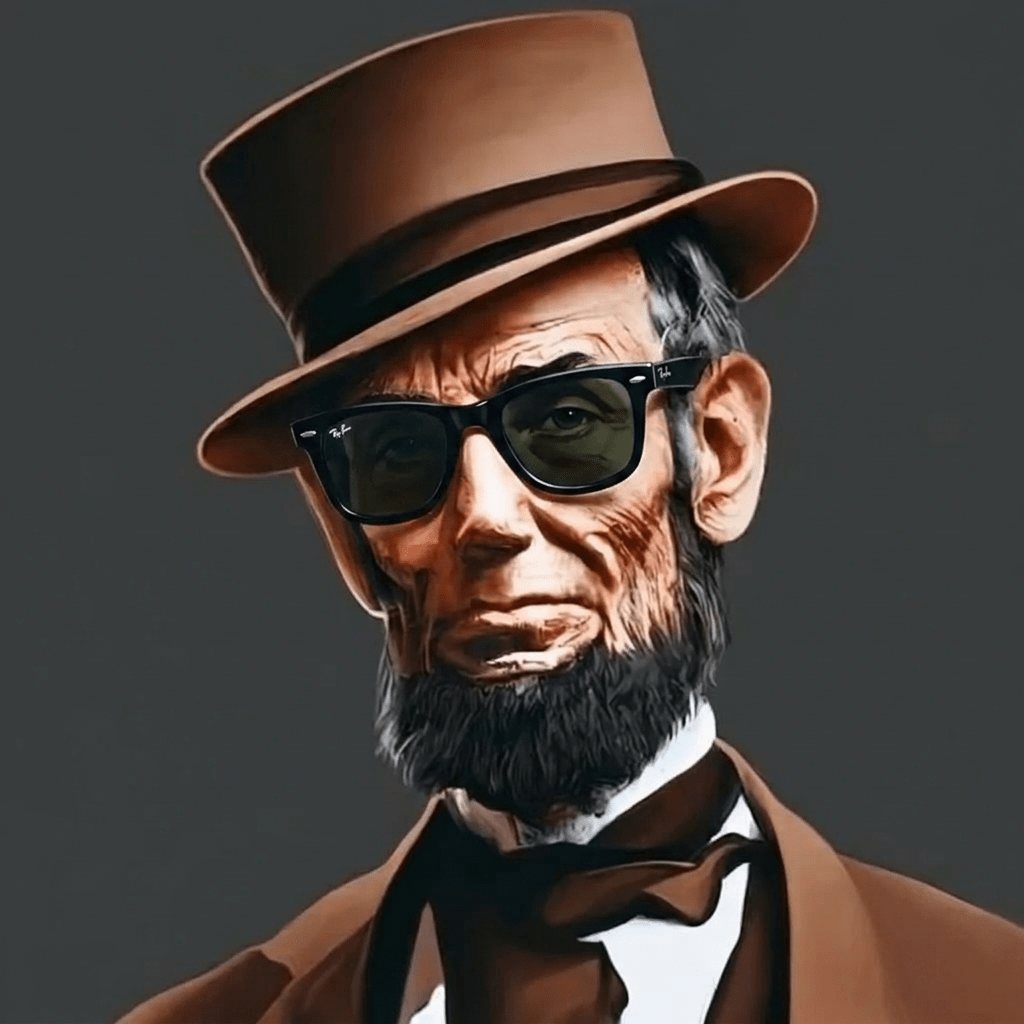
Sometimes the distortions are accidental. In 1973, Walking Tall starred Joe Don Baker as real-life Buford Pusser, a Tennessee sheriff driven to take the law into his own hands after bad guys murder his wife. The film was a B-movie hit and briefly turned Pusser, a former pro wrestler, into a national hero. Fast-forward to 2025, when newly reviewed forensic evidence led Tennessee state investigators to conclude that Pusser himself likely murdered his wife.
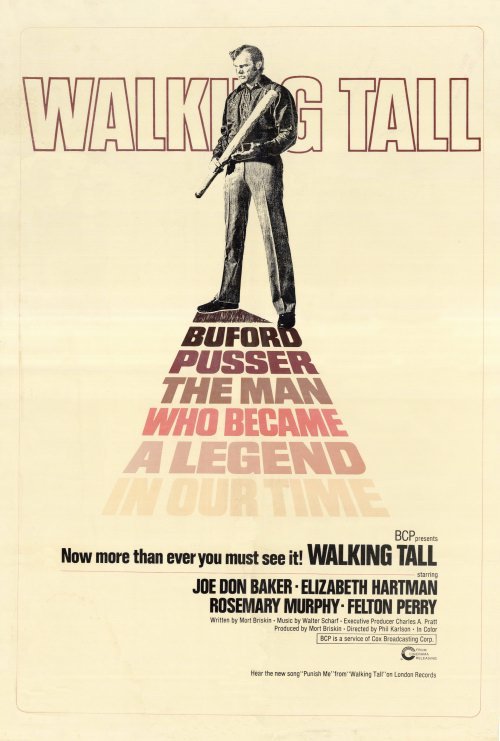
Prosecutors could not indict him for the crime, though: Pusser died the year after Walking Tall made him famous.
Some of the films below wink at the audience. Others insist they’re telling the truth. Either way, each treats history as raw material rather than sacred text.
10. The Hindenburg (1975, dir. Robert Wise)

There’s no evidence that the 1937 destruction of the Hindenburg, one of the 20th century’s most infamous disasters, resulted from sabotage. The most likely explanation is that leaking hydrogen was ignited by static electricity—but Robert Wise’s film says otherwise. The Hindenburg attributes the catastrophe to a bomb plot designed to humiliate Adolf Hitler, who presumably regarded the German luxury zeppelin as a matter of Nazi pride. George C. Scott plays a Luftwaffe colonel on the Hindenburg’s fatal final voyage to ferret out a suspected scheme. Since the airship went up in flames, it isn’t a spoiler that Scott’s character fails to avert tragedy.
9. It Happened Here (1964, dir. Andrew Mollo and Kevin Brownlow)
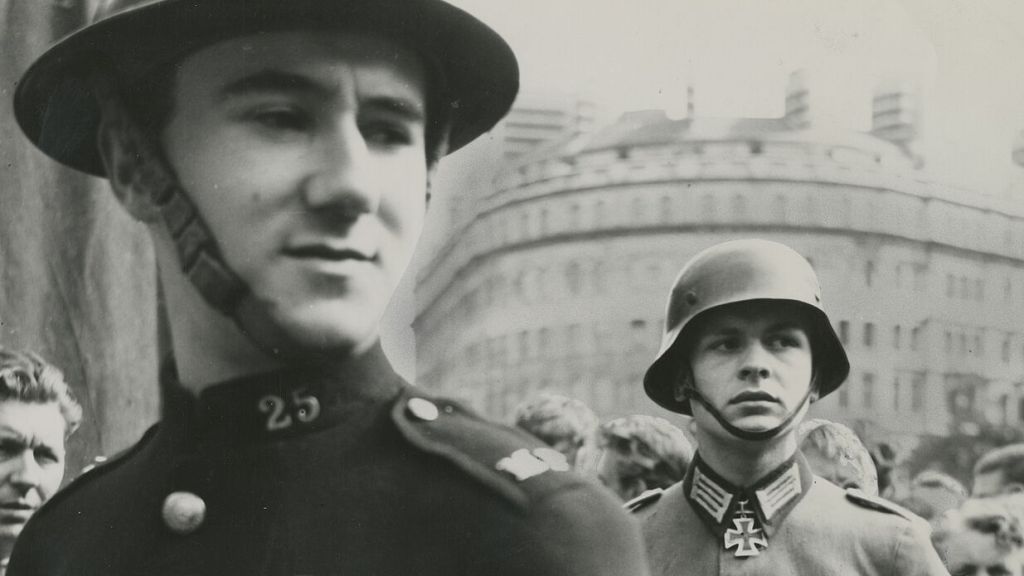
This grim speculative drama imagines Britain under Nazi occupation after Germany successfully invades the country during the Second World War. Shot docudrama-style in black and white, It Happened Here considers how readily fascism can acquire the appearance of legitimacy when ordinary people simply comply—even when compliance requires surrendering to hatred. In this case, the fuel for authoritarianism is antisemitism. It Happened Here was a passion project for writer-directors Andrew Mollo and Kevin Brownlow, who filmed over eight years with a largely volunteer cast. Their commitment extended to casting genuine British fascists, some of whom voiced their own antisemitic beliefs on camera. United Artists ultimately cut a six-minute fascist monologue from the release version.
8. Insignificance (1985, dir. Nicolas Roeg)
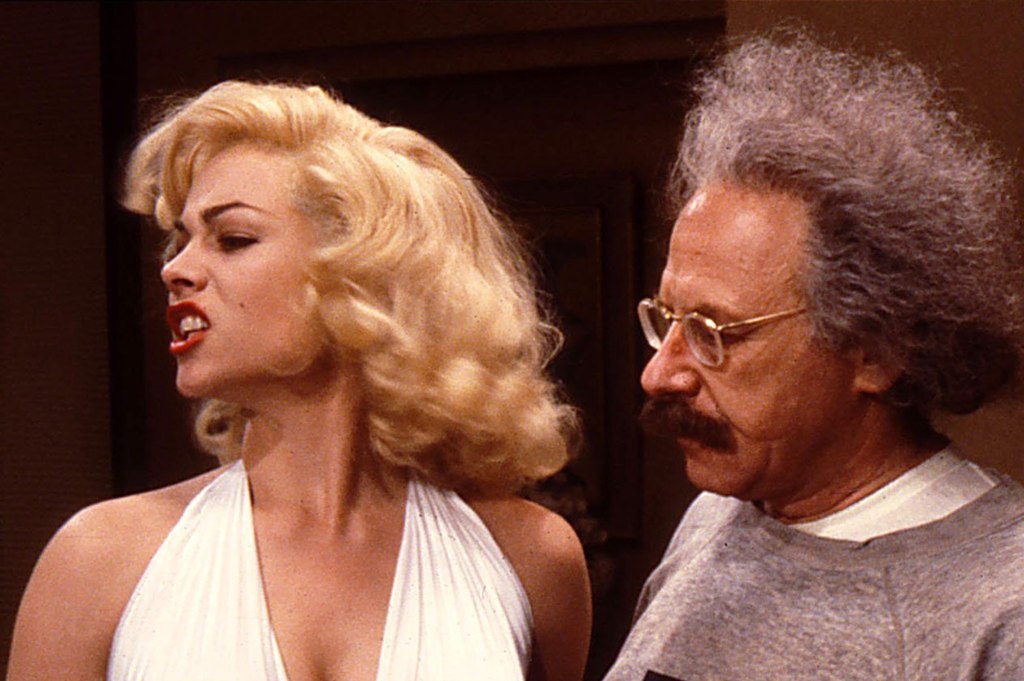
Marilyn Monroe breathlessly explains the theory of relativity to Albert Einstein in a New York hotel room. Her husband, baseball great Joe DiMaggio, shows up in a fit of jealousy. Red-baiting Senator Joseph McCarthy leans on Einstein to name suspected communist sympathizers to congressional investigators. Insignificance fancies that these events happened one evening in 1954. The film doesn’t use names, instead referring to its characters as the Actress (Theresa Russell, then the director’s wife), the Professor (Michael Emil), the Senator (Tony Curtis), and the Ballplayer (Gary Busey). Still, there is no mistaking who these four are supposed to be. Director Nicolas Roeg and screenwriter Terry Johnson, who adapted his own play, use the imagined encounter less as a historical what-if than as a meditation on celebrity, intellect, and Cold War anxiety.
7. Braveheart (1995, dir. Mel Gibson)
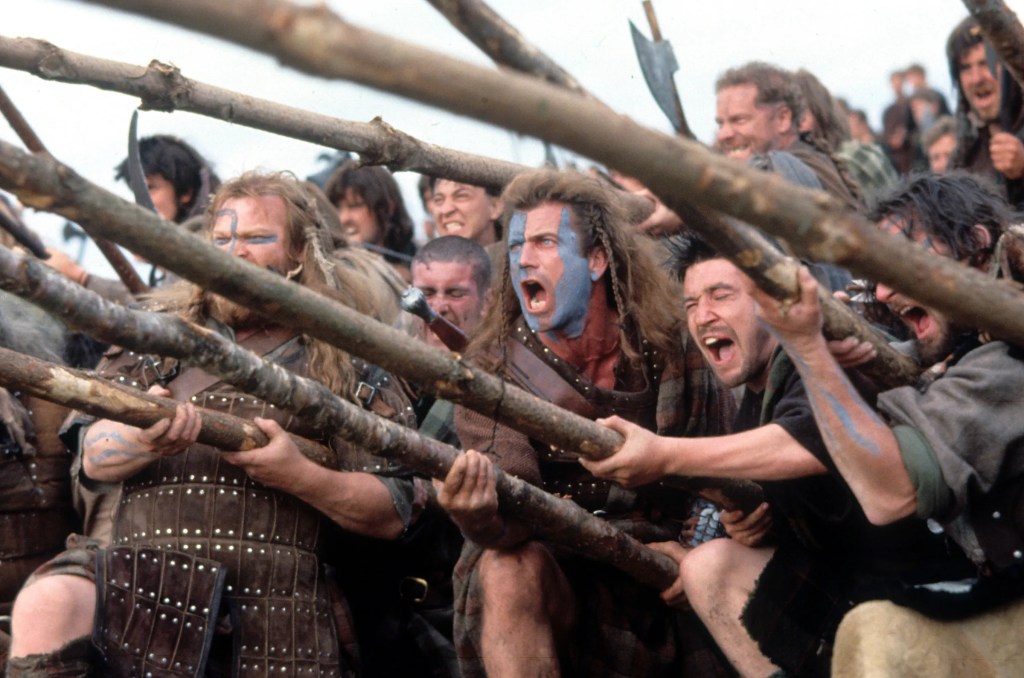
Even by Hollywood standards, director-star Mel Gibson takes considerable creative license in his biopic of William Wallace, the Scot who led a 13th-century rebellion against English rule. As slick entertainment, Braveheart is an A-, winning Academy Awards for Best Picture and Best Director. As history, though, it’s a C- at best. Contrary to the script by Randall Wallace (no proven relation), there is no evidence William Wallace was motivated by the murder of his wife (Catherine McCormack). Heck, there isn’t strong evidence the guy was even married. Moreover, Wallace wasn’t the child of peasant farmers, as the film purports, nor did he have an affair with French Princess Isabelle (Sophie Marceau), who was a child when Wallace was an adult. Even the title has an ironic historical echo: legend associates the phrase “brave heart” with Robert the Bruce, whose embalmed heart was carried on crusade after his death. Oh, and those kilts worn by Wallace and others? They didn’t turn up until centuries later—but that didn’t prevent Braveheart from earning an Oscar nomination for costume design.
6. Zelig (1983, dir. Woody Allen)
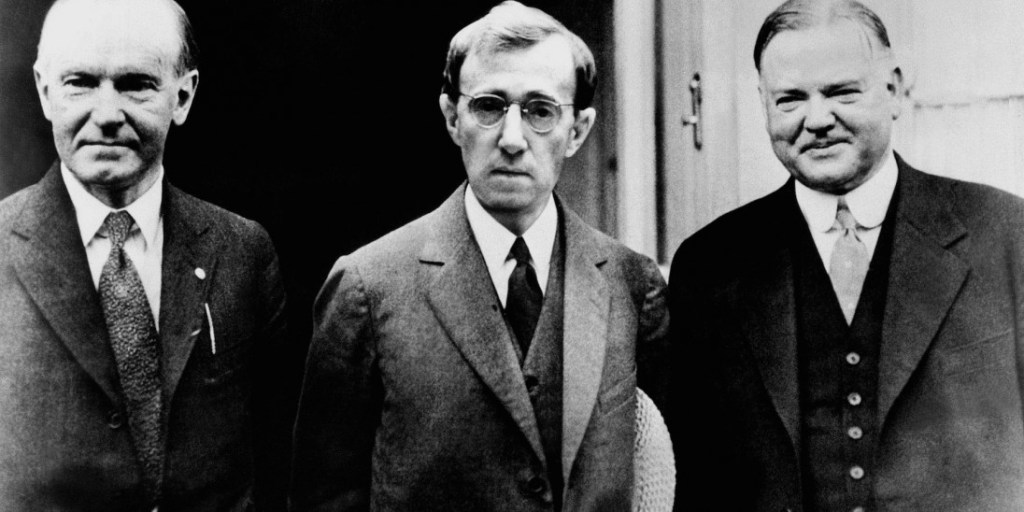
This mockumentary from Woody Allen chronicles a man so nondescript and desperate to fit in wherever he is that he morphs into whomever is nearby, regardless of ethnicity, body type, or even—in a cringeworthy sight gag—skin color. It’s a clever idea for a comedy, but what elevates Zelig is its impish commitment to having its fictitious protagonist rub elbows with some of the most defining figures of the 1920s and ’30s. Dubbed the “human chameleon,” Leonard Zelig (Allen) takes on the characteristics of figures such as F. Scott Fitzgerald, Charlie Chaplin, Babe Ruth, Al Capone—even Hitler. Allen and cinematographer Gordon Willis created visual magic a decade before advances in digital filmmaking enabled Robert Zemeckis to pull off similar effects in Forrest Gump (1994). To mimic the look of old newsreels, Willis—who garnered an Academy Award nomination—used vintage camera lenses and then encouraged crew members to do their worst on the developed film. “We’d all drag the film on the floor and stomp on it,” Allen recalled.
5. Dick (1999, dir. Andrew Fleming)
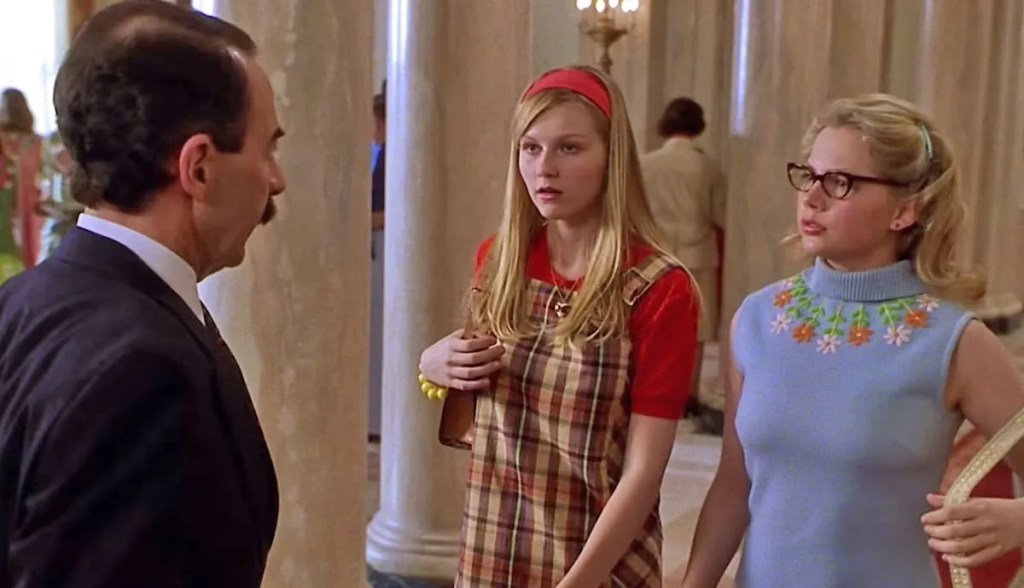
Contrary to what Dick would have us believe, Bob Woodward and Carl Bernstein (Will Ferrell and Bruce McCulloch in this incarnation) did not get their scoops about the Watergate burglary story from two teenage girls. Woodward’s famously secret “Deep Throat” source was in fact FBI official Mark Felt, not the girls, as history confirmed in 2005. Andrew Fleming’s endearingly daffy comedy presumes that the Washington Post reporters’ leads came from 15-year-olds Betsy Jobs (Kirsten Dunst) and Arlene Lorenzo (Michelle Williams). The boy-crazy friends accidentally stumble onto the biggest scandal of their era when they sneak out of Arlene’s home in the Watergate complex to mail a letter to the Bobby Sherman Fan Club. But Dick, much like its tricky namesake, Richard “Dick” Nixon (Dan Hedaya), is unencumbered by truth. Dick is a delight, stuffed with buoyant needle drops and a fun cast that includes Dave Foley as H.R. Haldeman, Saul Rubinek as Henry Kissinger, and Harry Shearer as G. Gordon Liddy. Virtually ignored upon its initial release, Dick has rightly earned cult status. Dunst and Williams are irresistible.
4. Amadeus (1984, dir. Miloš Forman)
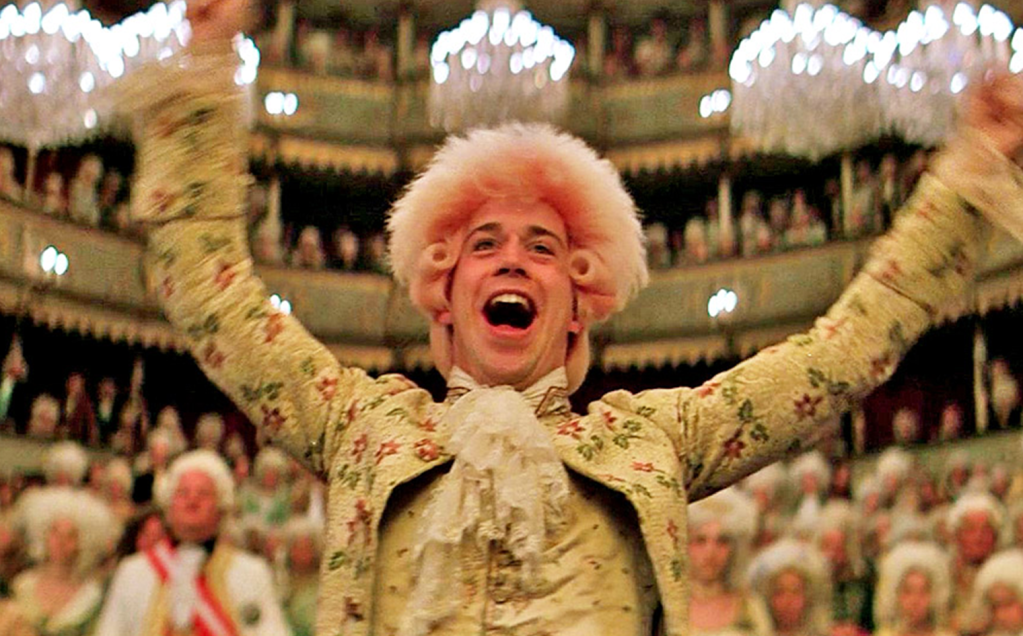
The chasm between passion and talent is the cruel joke at the heart of Amadeus, Miloš Forman’s lavish adaptation of Peter Shaffer’s Tony-winning play. The tortured artist is Antonio Salieri (F. Murray Abraham), a pious composer who longs to honor the Almighty through music but is saddled with mediocre ability. As Vienna’s court composer for Emperor Joseph II (Jeffrey Jones), Salieri reveres the music of Wolfgang Amadeus Mozart as much as he despises the man himself, played here by Tom Hulce with a stabbing cackle that could strip bark from a tree. Salieri is consumed by jealousy, then rage, when he discovers that someone with a divine gift is such a vain, immature fop. The injustice of it compels Salieri to renounce his faith. “From now on, we are enemies, you and I,” Salieri tells a carving of Jesus on the cross, “because you choose for your instrument a boastful, lustful, smutty, infantile boy.” Anchored by two dazzling lead performances, Amadeus has the beauty and depth of the music it celebrates. It’s also a load of bunk. Salieri, who was no middling hack, neither waged the obsessive campaign depicted here nor caused Mozart any injury. The two composers even collaborated. Amadeus raked in Oscars for Best Picture, Best Director, Best Adapted Screenplay (Shaffer), and Best Actor (Abraham).
3. Once Upon a Time … in Hollywood (2019, dir. Quentin Tarantino)

“Many people I know in Los Angeles believe that the Sixties ended abruptly on August 9, 1969,” Joan Didion wrote in her essay collection, The White Album. On that night, four followers of cult leader Charles Manson descended on 10050 Cielo Drive in Benedict Canyon, California—the home of filmmaker Roman Polanski and his wife, actress Sharon Tate—and shook the nation to its foundations. The murders of Tate, who was more than eight months pregnant, and four others remain among the most notorious American crimes of the 20th century. But what if it didn’t happen? Once Upon a Time … in Hollywood imagines a scenario in which the Manson killers get their bloody comeuppance by abandoning their mission at Tate’s house and instead descending on the home of her fictional neighbor, Rick Dalton (Leonardo DiCaprio)—with spectacularly poor results for them. In Quentin Tarantino’s alternative history, Dalton, a fading television star, conveniently has access to a flamethrower, his stunt double Cliff Booth (Brad Pitt) is tripping on LSD, and Cliff’s pit bull is hungry for hippie meat. Tarantino’s rescue of Tate and her fellow victims is fantastical catharsis. Call it vigilante justice by way of cinematic alchemy.
(See more in The 20 best hangout movies.)
2. JFK (1991, dir. Oliver Stone)
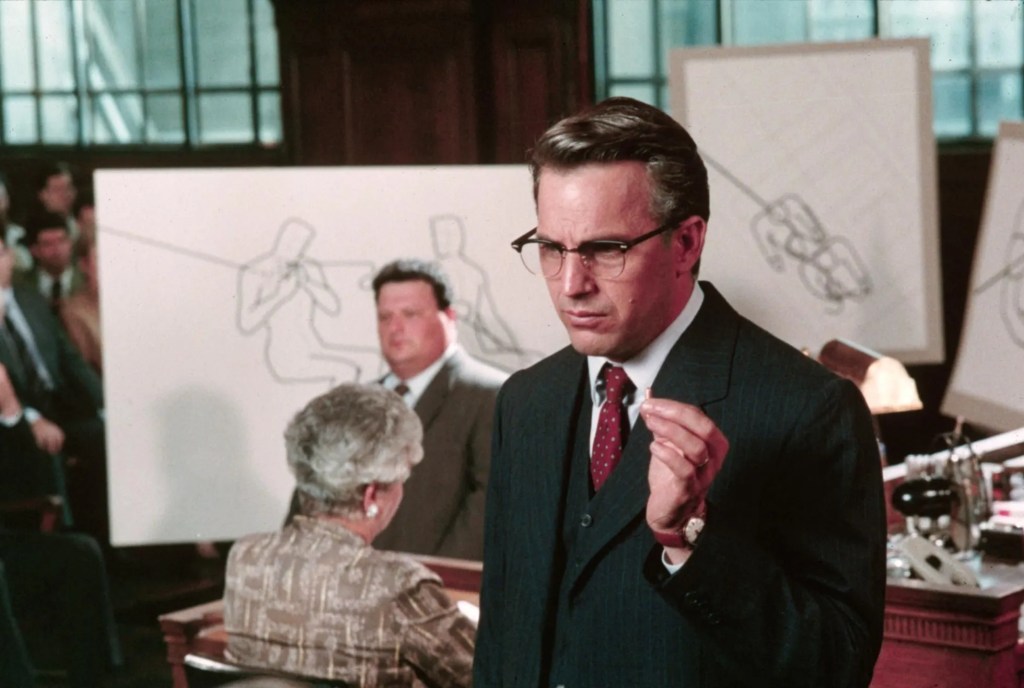
There are plenty of skeptics when it comes to the Warren Commission’s conclusion that Lee Harvey Oswald acted alone in the November 22, 1963, assassination of President Kennedy. Count among them Oliver Stone, whose JFK dramatizes as fact a sprawling conspiracy theory largely assembled in the late 1960s by New Orleans prosecutor Jim Garrison. The screenplay by Stone and cowriter Zachary Sklar seemingly casts suspicion in every direction: the CIA, the FBI, the Pentagon, then-Vice President Lyndon Johnson, the Mafia, and sundry eccentrics from New Orleans. For good measure, JFK even introduces Donald Sutherland as the mysterious “X,” loosely based on a real-life Air Force colonel, who tells Garrison that the military-industrial complex wanted Kennedy dead because they knew he wouldn’t have escalated U.S. involvement in Vietnam. Kevin Costner plays Garrison as a courageous maverick seeking the truth. JFK ignited controversy upon its release, as academics and some movie critics assailed Stone for presenting speculation as fact. Yet the film’s impact extended beyond the multiplex. The public furor surrounding JFK directly contributed to the passage of the President John F. Kennedy Assassination Records Collection Act of 1992, which in turn led to the release of millions of pages and thousands of records related to the case. Thus, a movie accused of muddying history ended up forcing the government to reveal more of it. As for Garrison, in 1969 he prosecuted Louisiana businessman Clay Shaw (Tommy Lee Jones in the film) for the assassination. A jury acquitted him in less than an hour.
(See more in The 10 best conspiracy films.)
1. Inglourious Basterds (2009, dir. Quentin Tarantino)
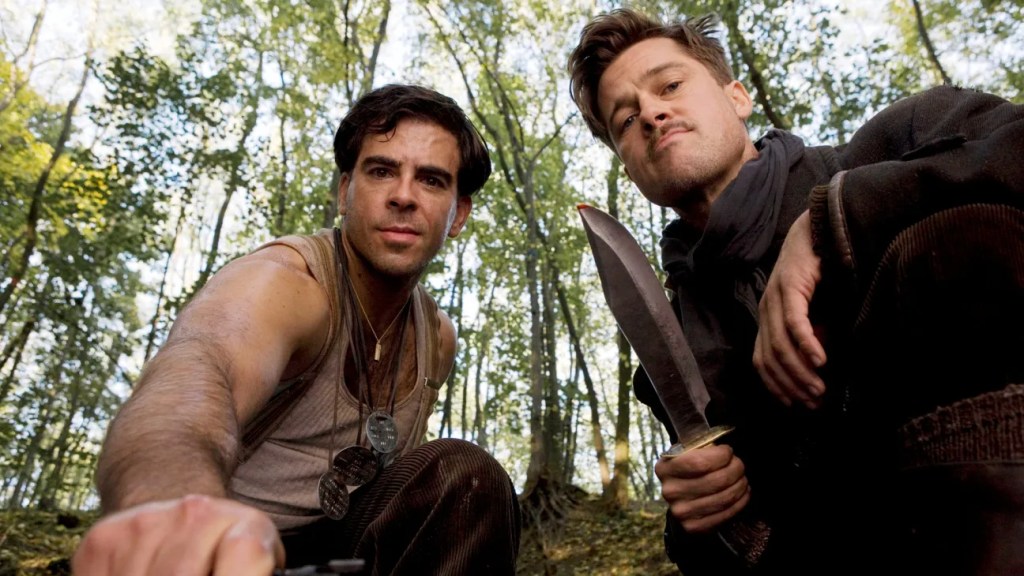
Sometimes revisionist history is just too irresistible. No one understands that better than Quentin Tarantino, whose reimagining of World War II would later lead him to perform a similar rescue of Sharon Tate. Inglourious Basterds unfolds as a parade of extraordinary set pieces detailing a secret squad of badass Jewish-American soldiers whose mission is to scalp Nazis. “You know somethin’?” Brad Pitt’s Lt. Aldo Raine says as he admires the carved-up forehead of a particularly vile Nazi, SS Col. Hans Landa (Christoph Waltz, in an Oscar-winning performance). “I think this might just be my masterpiece.” The line also serves as Tarantino’s own boast for Inglourious Basterds, and it would be bluster if it didn’t also happen to be true. The film’s biggest jaw-dropper—the fabrication that stunned audiences at the time—has a vengeance-seeking Jewish theater owner, Shosanna Dreyfus (Mélanie Laurent), setting fire to a movie house packed with Nazi bigwigs while machine gun-wielding “basterds” fill the Führer with more holes than a sieve. A few years after the picture’s release, I was at a military museum exhibiting a number of Hitler’s personal items seized by U.S. troops. A man nearby pointed out the artifacts to his two young children. “You kids know what happened to Hitler, right?” he asked rhetorically before confidently answering his own question. “Military got him.” If only it were so. One of history’s most monstrous killers took his own life as Soviet forces closed in on his Berlin bunker. I couldn’t help but wonder if this mistaken dad had seen Inglourious Basterds.
(See more in The 20 best opening scenes in film and The 20 best needle drops in film.)
Honorable mention: Abraham Lincoln, Vampire Hunter (2012, dir. Timur Bekmambetov), Confessions of a Dangerous Mind (2002, dir. George Clooney), C.S.A.: The Confederate States of America (2004, dir. Kevin Willmott), The Death of Stalin (2017, dir. Armando Iannucci), Executive Action (1973, dir. David Miller), Forrest Gump (1994, dir. Robert Zemeckis), They Died with Their Boots On (1941, dir. Raoul Walsh), 300 (2006, dir. Zack Snyder), Walker (1987, dir. Alex Cox), Watchmen (2009, dir. Zack Snyder)


3 responses to “The 10 best films about fake history”
[…] Revisionist history has never been so enthralling as this nostalgia-infused revenge-o-matic. It is Los Angeles in 1969, and we get to spend a few days with fading TV action hero Rick Dalton (Leonardo DiCaprio), his (possibly) wife-killing stunt double Cliff Booth (Brad Pitt), rising movie star Sharon Tate (Margot Robbie) and… the Manson Family. The imagination of writer-director Quentin Tarantino is unfettered by the historical record. This unabashed love letter to 1960s Hollywood is loaded with stellar set pieces, exquisite period detail, and propulsive ‘60s rock ‘n’ roll needle-drops. Once Upon a Time … in Hollywood is a movie for cinephiles to luxuriate in. There’s so much to love here—Rick’s ego-bruising meeting with Al Pacino’s tactless producer, Rick’s every scene with Julia Butters as a precocious child actor, Cliff’s desert adventure with a Manson hippie chick (Margaret Qualley), Sharon watching herself on screen in a Westwood movie theater, and—of course—a deliriously cathartic climax. The only misfire is a single scene mocking Bruce Lee (Mike Moh), but that’s a pretty terrific batting average for a 160-minute flick. If I could pull a Purple Rose of Cairo hat trick and climb into any movie, it would be Once Upon a Time … in Hollywood.(See more in The 10 best movies about fake history.) […]
LikeLike
[…] Director Oliver Stone brought his kinetic moviemaking know-how to explore the 1963 assassination of President Kennedy and a wide-ranging conspiracy theory alleged in the late ‘60s by New Orleans district attorney Jim Garrison. Starring Kevin Costner as a fearlessly truth-seeking Garrison, JFK purports that Lee Harvey Oswald was a patsy in a vast web that included the CIA, the FBI, the military, Lyndon Johnson, the Mafia and a bunch of New Orleans oddballs. Stone luxuriates in the paranoia of a generation already leery of American institutions. As a shadowy government operative who goes by “X,” Donald Sutherland pops up to make ominous pronouncements about how deep the conspiracy went. “The how and the who is just scenery for the public,” X says. “Oswald, Ruby, Cuba, the Mafia––keeps ‘em guessing like some kind of parlor game, prevents ‘em from asking the most important question: why? Why was Kennedy killed? Who benefited? Who has the power to cover it up?” Who was behind the assassination? Stone seems to say it was damn near everyone. (See more in The 10 best movies about fake history.) […]
LikeLike
[…] Quentin Tarantino’s unhinged World War II flick opens with pure directorial flex. Titled “Once Upon a Time … in Nazi-Occupied France,” the scene introduces German SS Col. Hans Landa (Christoph Waltz) upon his visit to the French dairy farm of Perrier LaPadite (Denis Ménochet). Landa, called “the Jew hunter” for reasons that will become queasily plain, explains he is trying to track down a family of Jewish farmers who have managed to evade capture. What makes his manner so unnerving is the conviviality with which this Nazi presents himself as a man of culture and refinement. Waltz is effortlessly charming and chilling in an Oscar-winning performance. Tarantino characters love to talk, and Landa is no exception, but here the tangy dialogue stretches the suspense until it’s nearly unbearable. The camera has conveyed to us that the terrified Dreyfus family is under the floorboards where Landa and LaPadite are talking. Moreover, we realize that Landa knows they’re in the farmhouse, and we suspect LaPadite knows that Landa knows. The Nazi tells his host that because his colleagues tend to think like a hawk, they only search where a hawk might hide. But Jews think like rats, Landa continues. “There are so many places it would never occur to a hawk to hide,” he says. “I’m aware of the tremendous feats human beings are capable of once they abandon dignity.” It is an 18-minute game of cat and mouse in which the stakes are deadly—right up to the scene’s inevitable, horrific end.(See more in The 10 best films about fake history.) […]
LikeLike