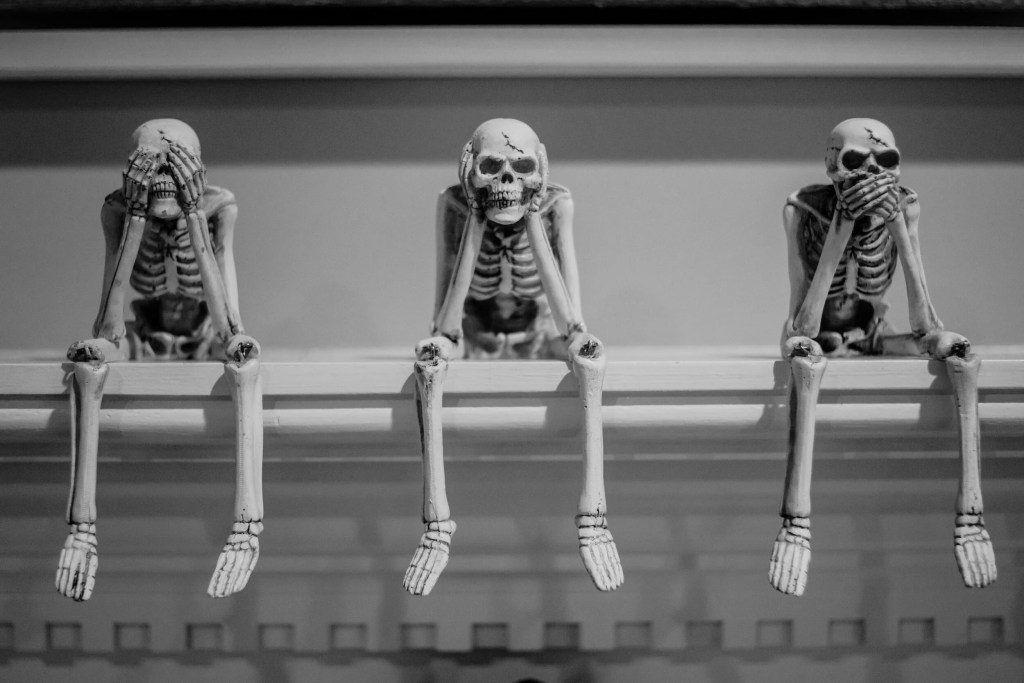
You have to laugh to keep from crying, the saying goes. Black comedies give us the luxury of doing both. Gallows humor isn’t merely a coping mechanism; laughter can be empowering. By pushing the comic possibilities of the tragic and the taboo, filmmakers such as Joel and Ethan Coen or Todd Solondz don’t conceal uncomfortable truths––they expose them.
10. The Quiet Family (1998, dir: Kim Jee-woon)
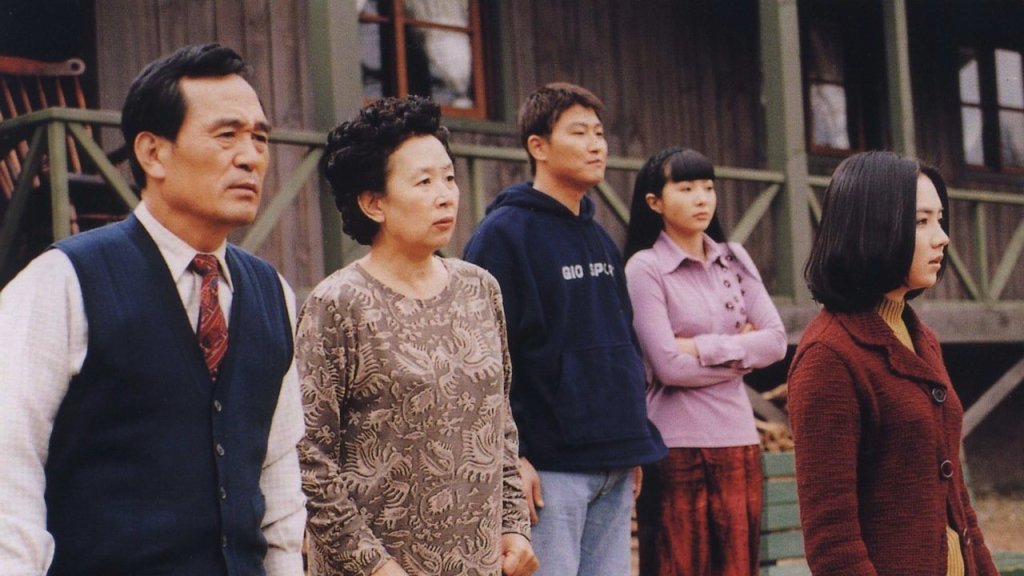
As anyone who watched the television sitcom Newhart can attest, running a country lodge is no picnic. But the occupational hazards posed by The Quiet Family seem fairly formidable, to say nothing of the murderous complications that follow. A supremely dysfunctional family in South Korea opens a modest resort along a mountain-hiking trail, but misfortune strikes when their first guest dies under mysterious circumstances. Attempts to keep the death under wraps only lead to more bodies piling up. Kim Jee-woon, who would later explore even darker obsessions in such chillers as A Tale of Two Sisters (2003) and I Saw the Devil (2010), keeps the proceedings grimly hilarious. Japanese filmmaker Takashi Miike reportedly discovered the film on a bootleg VHS tape and was inspired enough to remake it as a deranged musical, The Happiness of the Katakuris, giving a movie few people saw an outsized afterlife in cult-horror circles.
9. World’s Greatest Dad (2009, Bobcat Goldthwait)
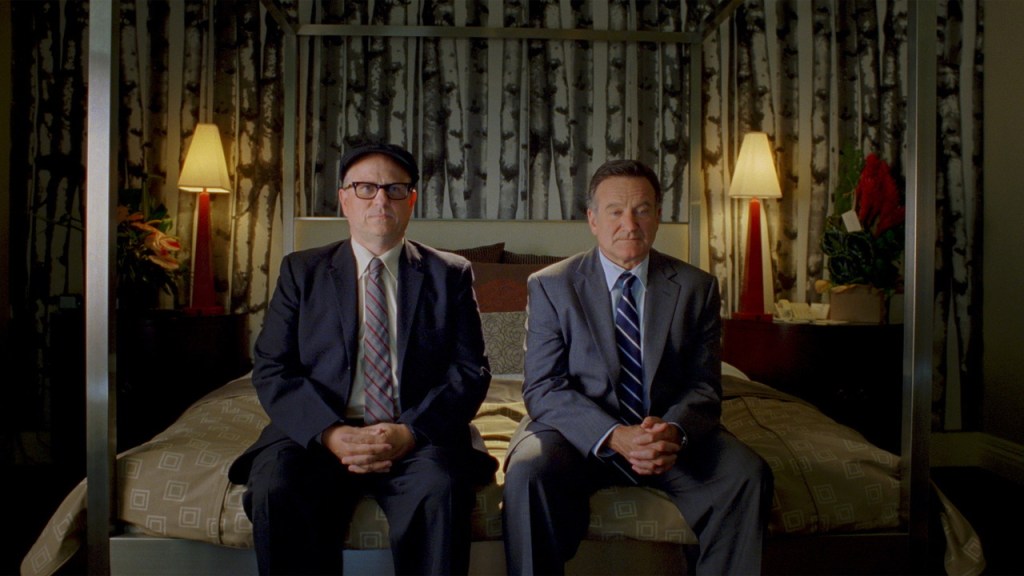
Robin Williams is Lance Clayton, an unassuming single dad whose 15-year-old son Kyle (Daryl Sabara), a monster in the making, dies from autoerotic asphyxiation gone awry. To hide the cause of death, Lance stages a suicide for Kyle and forges a suicide note. The note later goes viral, making Kyle more interesting in death than he ever was in life. The boy’s postmortem popularity gives Lance, a high school English teacher and wannabe writer, the opportunity to commodify his grief by continuing to ghostwrite in his son’s voice. Bobcat Goldthwait knows his way around dark comedy. His oeuvre also includes 2006’s Sleeping Dogs Lie, in which a woman admits to her boyfriend that she once blew a dog when drunk in college. Bestiality, suicide—Goldthwait wades into taboo waters, but always with humanity.
8. Welcome to the Dollhouse (1995, dir: Todd Solondz)
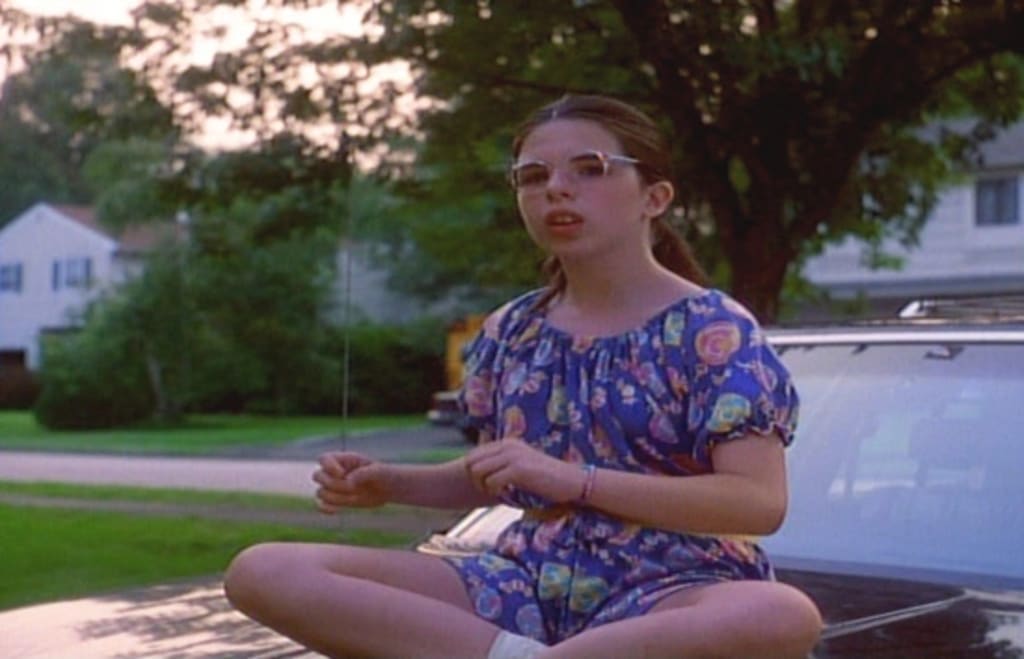
On the offhand chance you desire to reopen any psychological scarring from middle school, consider this Todd Solondz comedy so unrelentingly pitch-black that it might require a nightlight. Heather Matarazzo is Dawn, a 12-year-old girl who is the verbal punching bag for her class at Benjamin Franklin Jr. High. This modest indie caused a sensation at the Sundance Film Festival, where it won the Grand Jury prize, and it is easy to understand why. Solondz’s unique vision borders on—and occasionally lapses into—cruelty. What unsettles isn’t merely the hell that Dawn endures, but the film’s refusal to sentimentalize her in return. She can be petty, mean, and oblivious herself, a victim who offers no comfort of martyrdom. But Solondz was just getting started. Three years later, he delivered a work that makes Welcome to the Dollhouse look like Chitty Chitty Bang Bang by comparison.
7. Heathers (1988, dir: Michael Lehman)
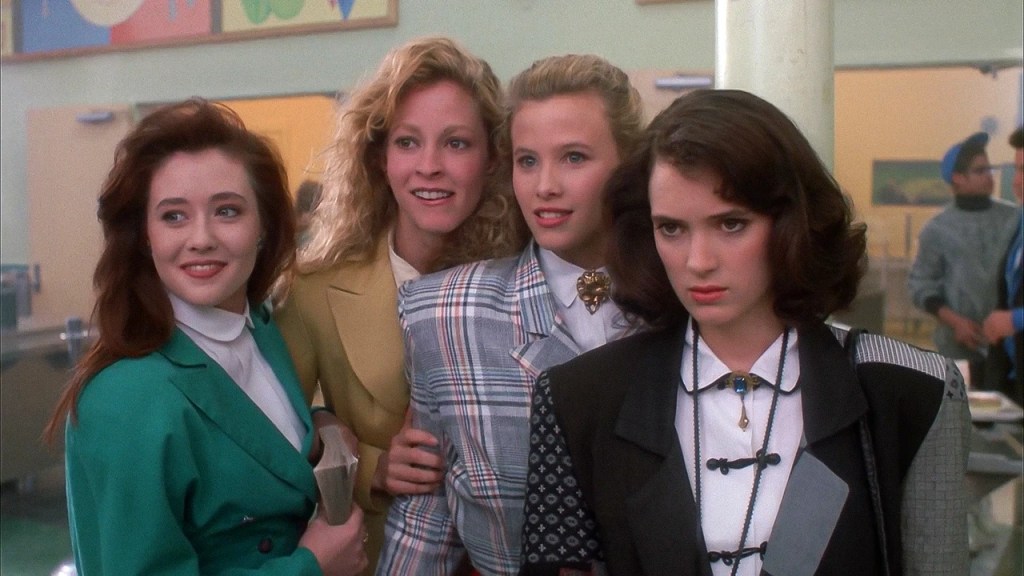
A black comedy that delves into teen suicide, Heathers draws blood by slicing and dicing high school and its unforgiving social hierarchies. It imagines how tensions between popular kids and pariahs can lead to murder, a conceit that once seemed ripe for lampooning long before school shootings became tragically commonplace. Winona Ryder and Christian Slater star as the homicidal co-conspirators; they—along with the cast—do justice to the fusillade of razor-sharp dialogue. To give the film a sense of timelessness, screenwriter Daniel Waters invented colloquialisms and slang that still land, from “swatch dogs and Diet Coke heads” to the ever-popular, “Well, fuck me gently with a chainsaw.” Heathers is the flip (and dark) side of John Hughes’ 1980s teen-centric flicks.
(See more in The 15 best school-centric films.)
6. Kind Hearts and Coronets (1949, dir: Robert Hamer)
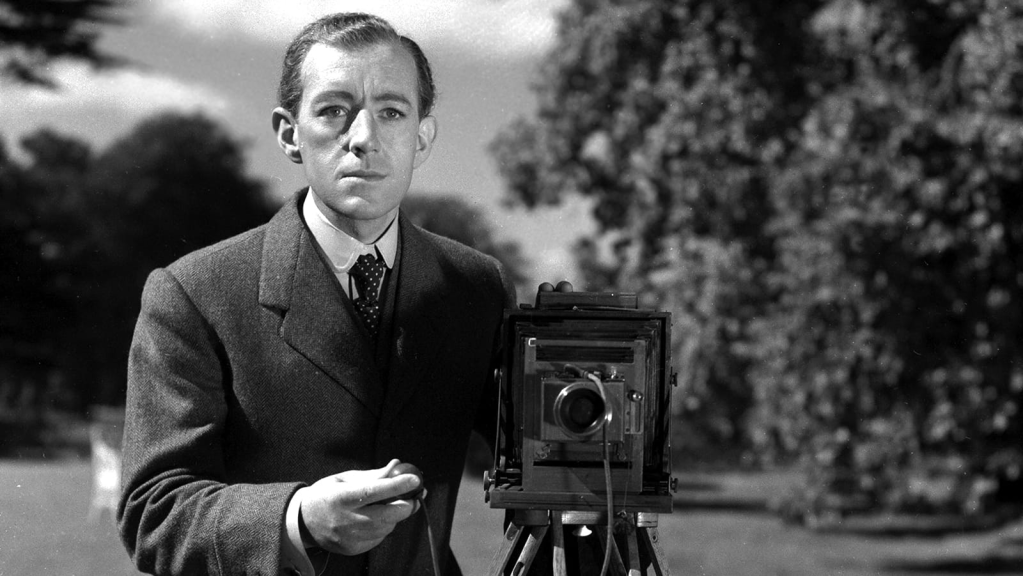
Considered by many movie historians to be the first modern dark comedy, this classic from Britain’s Ealing Studios remains shockingly blackhearted, even by today’s ultra-cynical standards. Antihero Louis Mazzini (Dennis Price) narrates his story on the eve of his execution, explaining in flashback how his path to the family title required murdering eight members of the D’Ascoyne family. Writer-director Robert Hamer and co-writer John Dighton find deliciously wicked ways to whack the uppercrust elites. Price is the embodiment of persnickety sociopathy, but Kind Hearts and Coronets’ scene stealer is the dexterous Alec Guinness. He plays all eight members of the doomed dynasty—men, women, young, and old—each dispatched with impeccable comic timing, a stunt of range and restraint that doesn’t tip into gimmickry.
5. After Hours (1985, dir: Martin Scorsese)
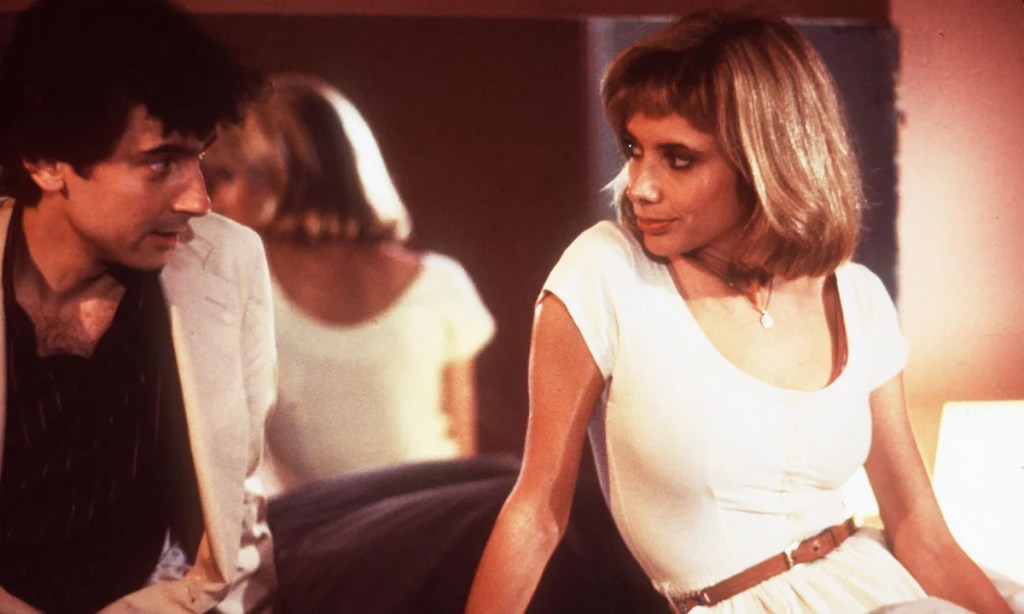
Martin Scorsese’s love letter to 1980s New York is drafted with ink dipped in poison. Griffin Dunne plays Paul Hackett, an office drone whose chance meeting with a beguiling stranger at a diner spurs a late-night trek through Soho. The Kafkaesque urban-nightmare entails suicide, mistaken identity, sadomasochism, burn wounds, and a vigilante mob led by an ice cream truck operator. “I just wanted to leave, you know, my apartment, maybe meet a nice girl,” says an exasperated Paul. “And now I’ve got to die for it?” Rosanna Arquette is irresistibly unhinged as the love interest from the diner, but all those assembled––particularly Linda Fiorentino, Teri Garr, Catherine O’Hara, and John Heard––are great. Scripted by Joseph Minion while he was a student at New York University film school, the picture helped rescue the career of Scorsese, then battling a cocaine habit amid a string of commercial disappointments.
4. A Serious Man (2009, dir: Joel Coen and Ethan Coen)
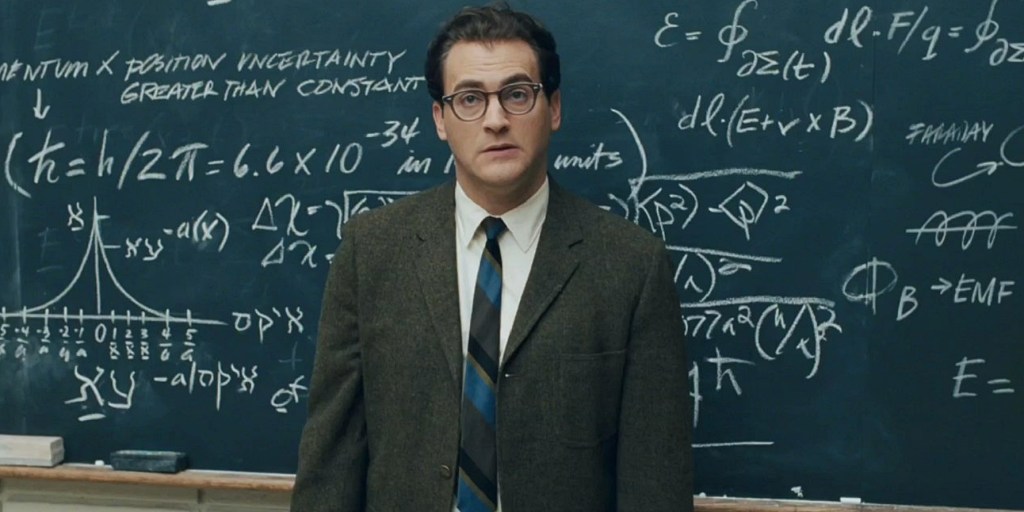
The Coen brothers’ preoccupations with human suffering and the seemingly futile search for meaning form the nucleus of A Serious Man, arguably their most personal work. Mild-mannered mensch Larry Gopnik (Michael Stuhlbarg) is in an existential crisis. His wife is leaving him for a world-class bloviator (Fred Melamed) and his children are insufferable. And just as this Minnesota college professor is on the cusp of receiving tenure, his colleagues start getting anonymous letters accusing him of terrible things. The pressure of it all leads Larry to consult a rabbi, who advises, “You have to see these things as an expression of God’s will. You don’t have to like it.” Enlightenment is never assured in the Coens’ universe, but A Serious Man isn’t necessarily dismissive of the spiritual. “The film urges us to question life, to probe, to turn it over and look at it,” Lawrence J. Epstein writes in American Jewish Films: The Search for Identity, “never to take it for granted, never to think we understand it.”
3. Dr. Strangelove or How I Learned to Stop Worrying and Love the Bomb (1964, dir: Stanley Kubrick)
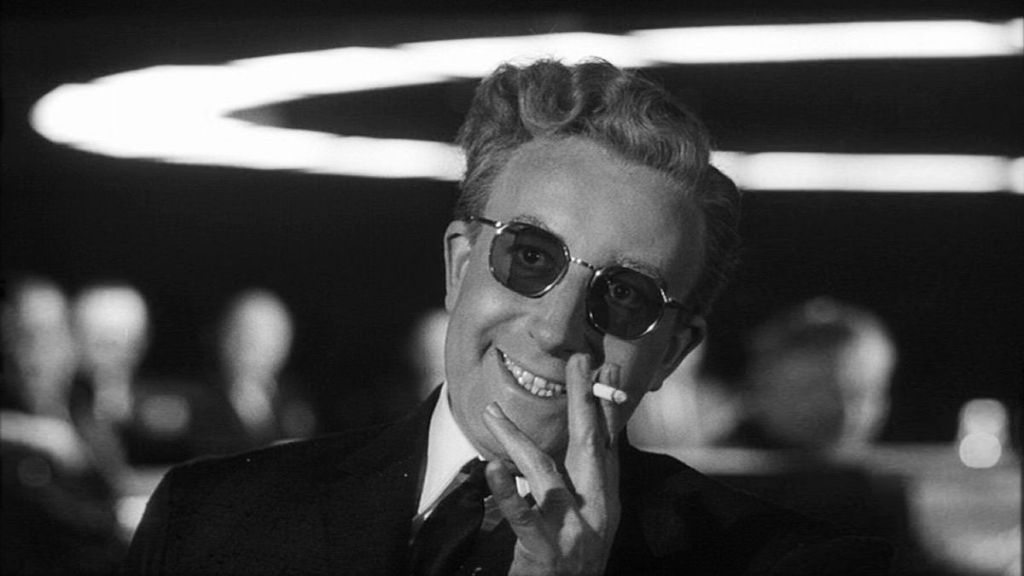
A comedy about nuclear holocaust at the height of the Cold War? Now, that’s chutzpah. Stanley Kubrick and co-writer Terry Southern based their film on Peter George’s deadly serious novel Red Alert, but they eventually realized during scriptwriting that global annihilation would be more believable as satire than as a realistic rendering. From the movie’s boldly irreverent title to its fixation on sex––Air Force Gen. Jack D. Ripper (Sterling Hayden) orders a strike on the Soviet Union because he blames communism for his impotence––Dr. Strangelove lacerates the military-industrial complex. It also boasts some of the greatest comic performances of the 1960s. In addition to Hayden, George C. Scott is a pathologically gung-ho military commander, while Peter Sellers is tremendous in a triple role that includes the eponymous doctor and atomic enthusiast. One need only take stock of today’s world to see that Kubrick’s central premise, that leaders confronted with catastrophe would choose to dig themselves in deeper, feels less implausible with each passing decade.
(See more in The 10 most memorable U.S. presidents in film.)
2. Happiness (1998, dir: Todd Solondz)
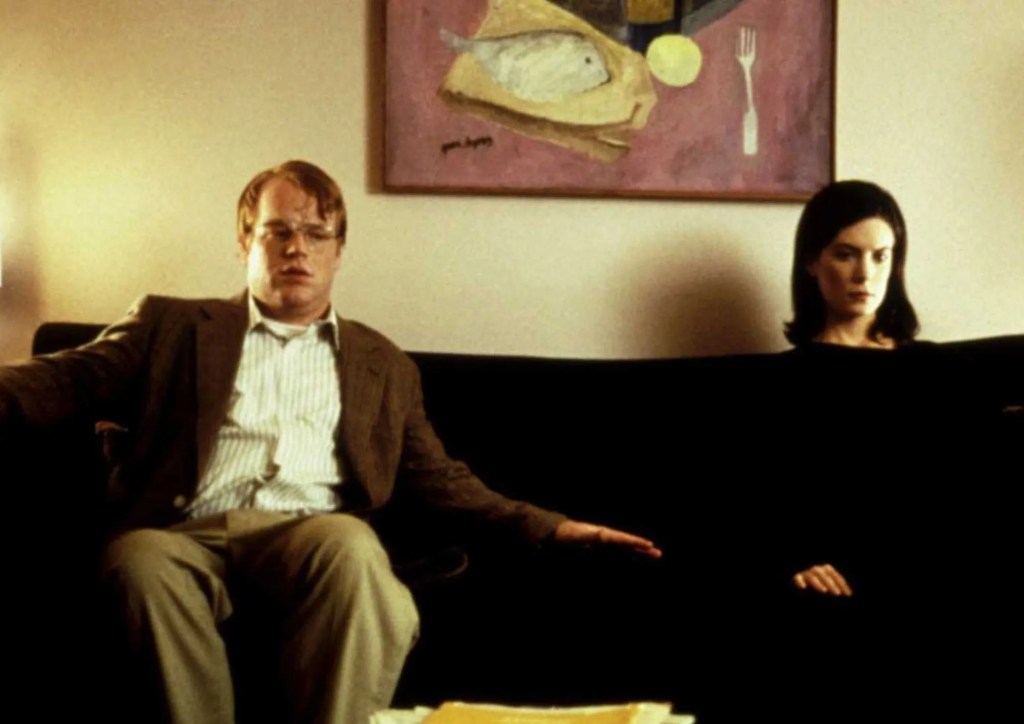
The cringe-inducing black comedies of Todd Solondz don’t sit well with most moviegoers, which probably speaks to their well-adjusted mental state. A cursory summary of the characters in his magnum opus, Happiness, makes clear why. Dylan Baker delivers an astonishingly brave performance as Bill, a married father and successful psychiatrist who also happens to be a self-loathing pedophile. One of his patients, played to skin-crawling perfection by Philip Seymour Hoffman, spends his time masturbating while making obscene phone calls. Among his phone-call recipients is Joy (Jane Adams), a less-than-mediocre folk singer whose defining trait is pitifulness. Solondz somehow claws out shreds of sympathy for them all—even the sex predators. All this, and a small role for Donald Trump’s ex-wife, Marla Maples. The picture threatens to go where you think it cannot possibly go––and then it goes there. Happiness is darkly hilarious, but your laughter might come with self-reproach.
1. Fargo (1996, dir: Joel Coen)
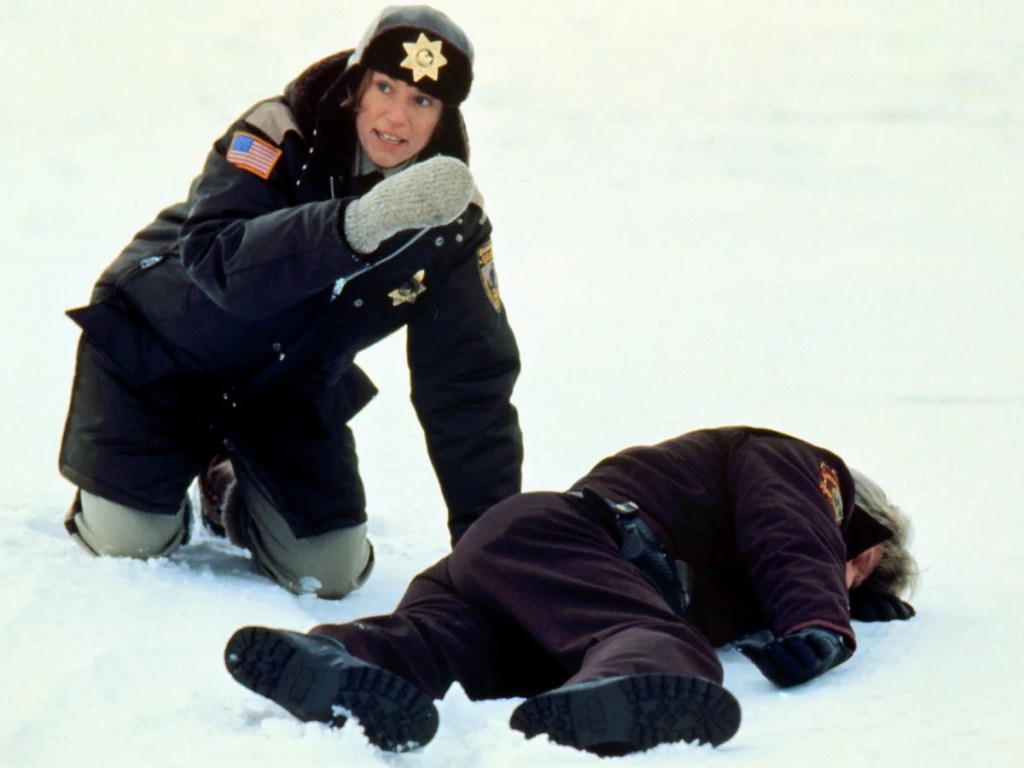
Joel and Ethan Coen open Fargo with the claim that it is based on a true story. That specious pronouncement is the first cheeky joke in this bleak but very funny tale of duplicity, greed, and murder. Set largely in snowy Minnesota (you are correct in thinking Fargo is in North Dakota), it stars William H. Macy in a breakthrough performance as Jerry Lundegaard, a struggling car salesman who arranges to have his wife kidnapped in order to extract a $1 million ransom from his rich but tight-fisted father-in-law (Harve Presnell). Things don’t go as planned. The kidnappers (Steve Buscemi and Peter Stormare) fatally shoot a state trooper and a pair of witnesses. The triple-homicide brings in Sheriff Marge Gunderson (Frances McDormand)—33 minutes into the film—whose thick Minnesotan accent and persistent morning sickness (she is seven months pregnant) belie a sharp investigative mind. McDormand’s performance lends Fargo a much-welcome respite of kindness and hope, and it earned her the first of three Best Actress Oscars. From its opening wintry image of a Paul Bunyan statue to a climactic, if unique, use of a wood chipper, Fargo is a masterwork of misanthropy.
(See more in The 10 most memorable movie marriages and The 15 best neo-noir films.)
Honorable mention: American Psycho (2000, dir. Mary Harron), Barton Fink (1991, dir. Joel Coen and Ethan Coen), Catch-22 (1970, dir. Mike Nichols), Election (1999, dir. Alexander Payne), Four Lions (2010, dir. Chris Morris), Freeway (1996, dir. Matthew Bright), The Heartbreak Kid (1972, dir. Elaine May), In Bruges (2008, dir. Martin McDonagh), Network (1976, dir. Sidney Lumet), The Player (1992, dir. Robert Altman)
 Cutting to the Chase with Phil Bacharach
3 responses to “The 10 best black comedies”
[…] While Peter Sellers has three roles in this Cold War comedy classic, few scenes in movie history rival his brilliant turn as the U.S. president. Drawing inspiration for the character’s look from failed presidential candidate Adlai Stevenson, Sellers largely improvised the pivotal phone call where the president explains to a drunk Soviet premier how a deranged Air Force captain has ordered a nuclear strike on Russia. First, however, the president must get the niceties out of the way. “I can hear you now, Dimitri, plain and clear and coming through fine,” he says cheerfully. “I’m coming through fine, too, eh? Good, well then, as you say, we’re both coming through fine.” The conversation is a masterclass in comedy, and in keeping with Dr. Strangelove’s persistent linkage of sex with annihilation. After all, writer-director Stanley Kubrick and co-writer Terry Southern named the beleaguered commander-in-chief Merkin Muffley, both referencing, ahem, female genitalia. (See more in The 10 best black comedies.) […]
LikeLike
[…] Daniel Waters did not lack ambition with his first screenplay. Determined to pen the ultimate high school movie, the then-video store clerk’s initial draft of Heathers exceeded 250 pages. He hoped Stanley Kubrick would direct, but had to settle for rookie director Michael Lehman. The result was magic, albeit black (comedy) magic. Veronica (Winona Ryder) is an intelligent and pretty junior who has traded in her dweeby childhood friends in favor of three cold-hearted beauties named Heather (Kim Walker, Shannen Doherty and Lisanne Falk). Veronica chafes at her cohorts’ casual cruelty, but, like most of her classmates, she is too scared to challenge their authority. Until, that is, Veronica hooks up with J.D. (Christian Slater), a trenchcoat-clad rebel who has recently moved to town. Murder ensues. “My teen angst bullshit now has a body count,” Veronica confides in her diary. Heathers is a scathingly funny takedown of the high school caste system that spares no one. (See more in The 10 best black comedies.) […]
LikeLike
[…] American Psycho is the blackest of black comedies while losing none of its horror. Adapted from Bret Easton Ellis’ 1991 novel, it features Christian Bale as New York investment banker/serial killer Patrick Bateman, a role the actor took after Leonardo DiCaprio dropped out (reportedly at the urging of Gloria Steinem). No knock on DiCaprio or others who had been considered (including Ewan McGregor and Billy Crudup), but it’s difficult to imagine anyone but Bale as the status-obsessed, narcissistic psychopath whose interests range from Valentino suits to the watermark of a business card. The cast includes strong work from Reese Witherspoon, Chloë Sevigny and Willem Dafoe, among others, but this is squarely Bale’s movie. Speaking of “squarely,” Bateman’s hatcheting of rival Paul Allen (Jared Leto) while delivering an unsolicited dissertation on Huey Lewis and the News’ song “It’s Hip to Be Square” is a particular highlight. Many had deemed the book unfilmable, but writer-director Mary Harron and co-writer Guinevere Turner didn’t want to make torture porn, interested instead in mining the comic possibilities of a homicidal psycho in 1980s Wall Street. A cutthroat mindset turns literal. Like the source material, their film preserves Ellis’ queasy ambiguity about how much of Bateman’s violence exists outside his twisted imagination.(See more in The 10 best black comedies.) […]
LikeLike