An opening scene is a contract with the audience, establishing a movie’s tone, stakes, and rules before the story has fully begun. Screenwriters have long had it drummed into their heads that the first 5 to 10 pages can determine whether a script gets read at all (much less made), while filmmakers know they have only minutes to seize the viewer’s attention.

As media options continue to expand (YouTube, TikTok, etc.) while attention spans shrink, demands for a great opening are perhaps more important than ever before. Some announce a director’s command with a spectacular set piece, an unbroken take, or a perfectly chosen needle drop. Others work more furtively, planting thematic seeds whose significance becomes apparent only in hindsight. The finest do more than hook us. They teach us how to watch the movie that follows.
20. La La Land (2016, dir. Damien Chazelle)
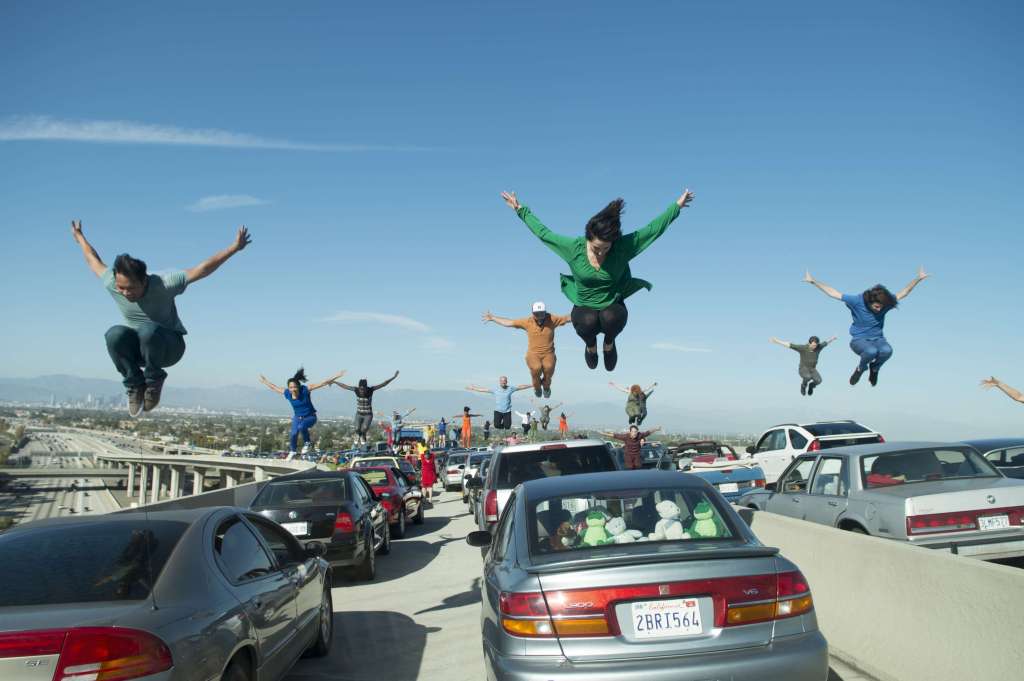
Damien Chazelle’s lovingly rendered retro musical opens with a monster traffic jam on a Los Angeles freeway. Like any self-respecting musical, the scene bursts into song, as motorists dance between—and on top of—a sea of cars stretching into the horizon. But Chazelle went further, staging “Another Day of Sun” in what appears to be a single gloriously uninterrupted shot (OK, so it’s actually three shots cleverly stitched together, but who’s counting?). It introduces La La Land’s central tension that dreaming is both intoxicating and precarious. The production had only two days to shoot on a cordoned-off expanse connecting the 110 and 105 freeways. It took 47 takes, but the result, a candy-colored fantasy version of L.A., captures the spirit of classic Hollywood musicals while offering something new and modern. Gridlock has never been so exuberant.
19. Scream (1996, dir. Wes Craven)
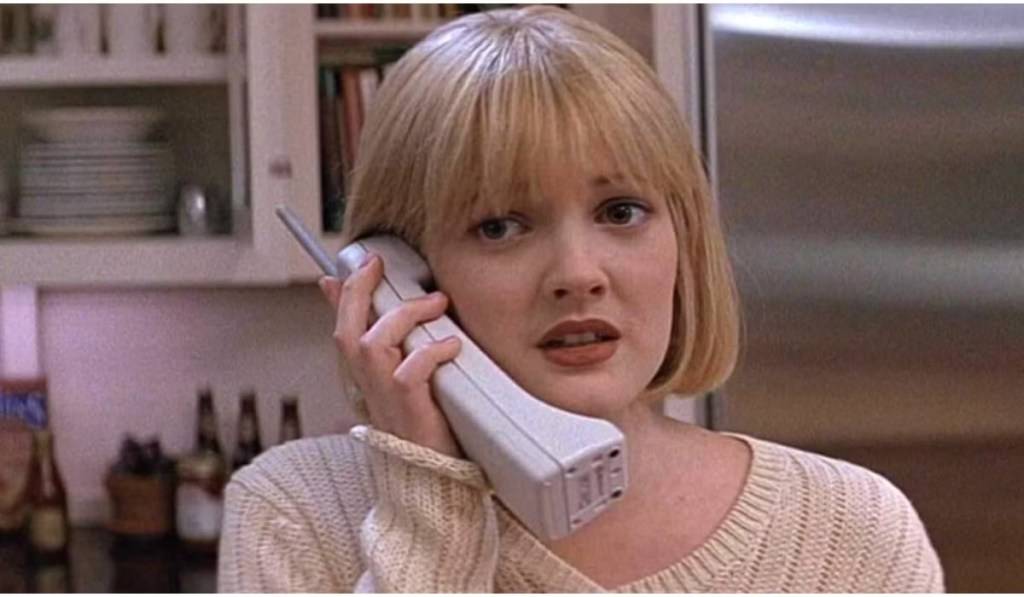
In Psycho (1960), Alfred Hitchcock flipped audience expectations when he killed off the movie’s biggest name, Janet Leigh, less than an hour in. Wes Craven and screenwriter Kevin Williamson took that trick to heart in what would become a self-aware horror phenomenon. Scream opens with Drew Barrymore—prominently billed in the picture’s marketing, a sleight of hand the movie is fully aware of—as Casey Becker, a high schooler making popcorn and flirting with a stranger who has called her home. The two playfully banter about scary movies and their tropes, a sign of the film’s self-reflexiveness to come, before the conversation curdles. “What’s your favorite scary movie?” the caller asks, but the question doubles as a trivia gauntlet that will determine whether Casey’s tied-up boyfriend lives or dies. Let’s just say Casey doesn’t make it to the end credits, but neither do the conventions of the slasher genre.
(See more in The 15 best slasher films.)
18. The Dark Knight (2008, dir. Christopher Nolan)
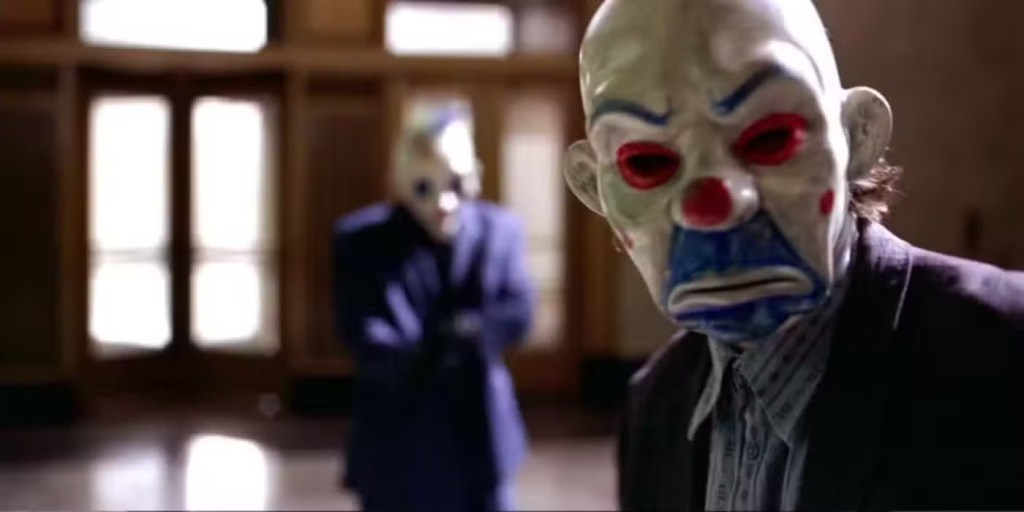
The second installment of Christopher Nolan’s groundbreaking Batman reboot immediately announces a larger scale than his Batman Begins (2005) and introduces a new villain of extraordinary menace. Among the first dramatic scenes ever shot on IMAX cameras, it opens on a group of criminals in clown masks robbing a Gotham bank. Each member performs a specific task before executing the accomplice beside him, as ordered by the mastermind of the heist, until only one man is left standing. He moves toward an injured banker, who warns him that these guys have made a serious miscalculation—that this is a bank run by the mob. The Joker (Heath Ledger) removes his mask. “I believe whatever doesn’t kill you,” he says, his face smeared with white greasepaint and a red slash extending his scarred grin, “simply makes you … stranger.” And we are hooked.
17. There Will Be Blood (2007, dir. Paul Thomas Anderson)
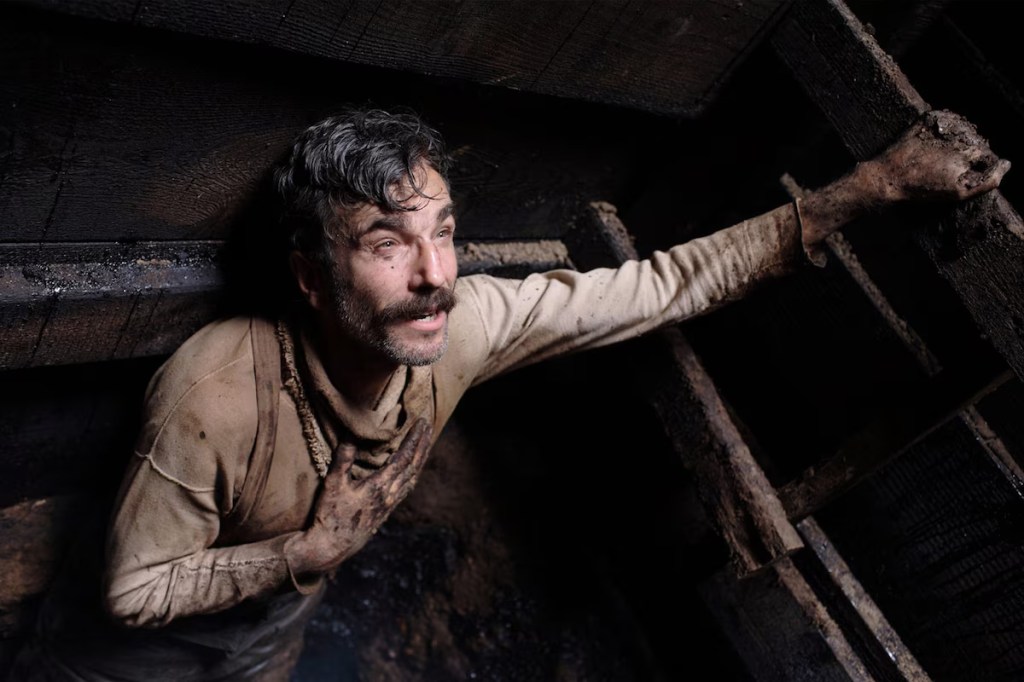
For more than 15 nearly silent minutes, There Will Be Blood takes viewers to 1898 New Mexico with the bone-crunching work of silver prospector Daniel Plainview (Daniel Day-Lewis), a man possessed by an indomitable will to succeed. Paul Thomas Anderson had long aspired to make a film completely devoid of dialogue. “The closest I got,” the director told Entertainment Weekly, “was the beginning of There Will Be Blood.” Loosely based on Oil!, a 1927 novel by Upton Sinclair, the sequence offers a window into the merciless work of mining, particularly when Plainview falls down a mineshaft, breaks his leg, and somehow crawls his way out to register his claim. Four years later, he has moved on to oil, setting in motion an epic story of power and greed.
(See more in 10 memorable movie fathers.)
16. La Dolce Vita (1960, dir. Federico Fellini)
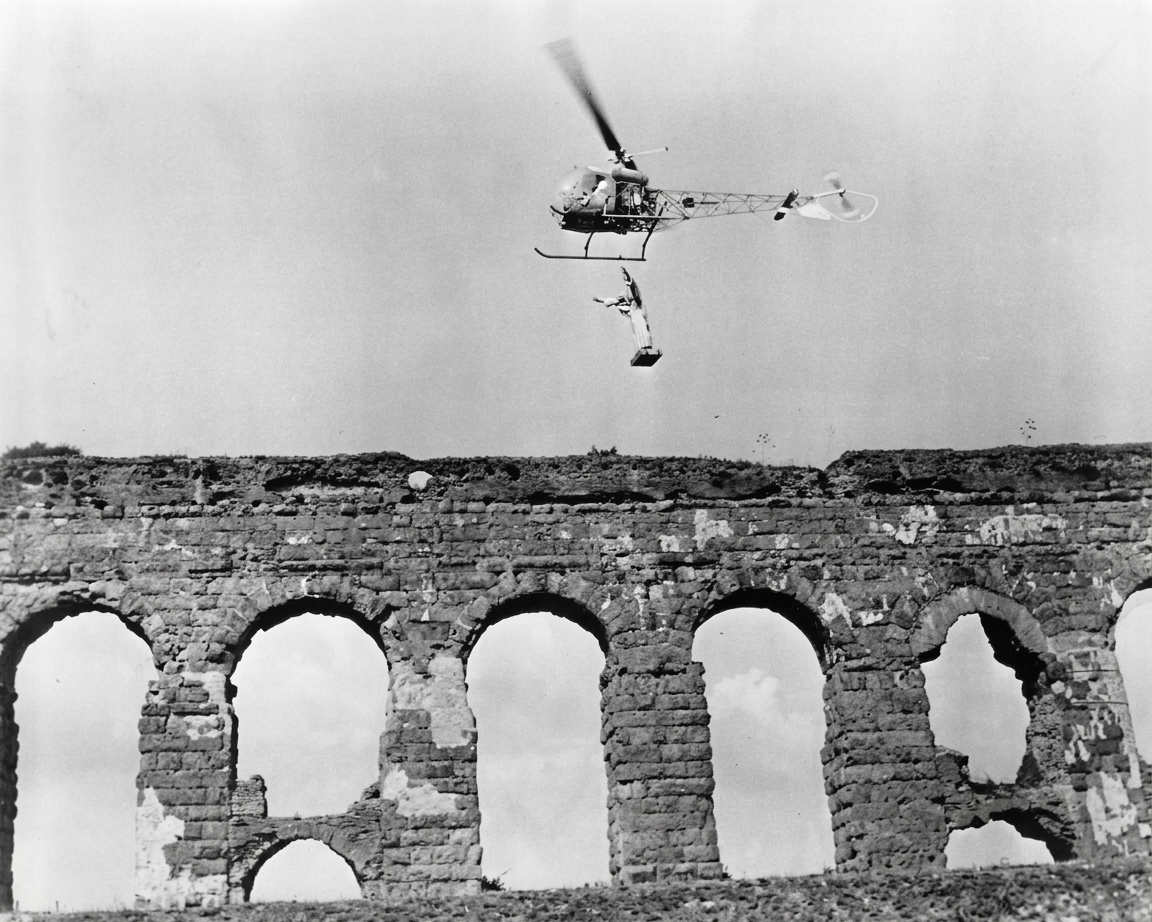
This classic begins with a potent image: a helicopter flies over Rome toward Vatican City as a large statue of Jesus, its arms outstretched, hangs by a rope below. A second chopper follows close behind with newspaper people, including tabloid reporter Marcello (Marcello Mastroianni) and his photographer, Paparazzo (Walter Santesso)—whose name would go on to define an entire species of celebrity shutterbug. Is God leaving the city to make way for more decadent pursuits? Marcello spies attractive, bikini-clad women sunbathing on a penthouse roof. They wave to him; he gestures that he would like their phone number. The roar of the rotors makes meaningful conversation impossible, an early sign that Marcello will be surrounded by people yet unable to make a genuine connection. In La Dolce Vita, translated from Italian as “the sweet life,” Federico Fellini tests the tension between the lofty and the base, substance and vacuity, virtue and sin—all established in that arresting opening.
(See more in The 10 best uses of manmade landmarks in film and The 15 best films that explore class divides.)
15. City of God (2002, dir. Fernando Meirelles and Kátia Lund)
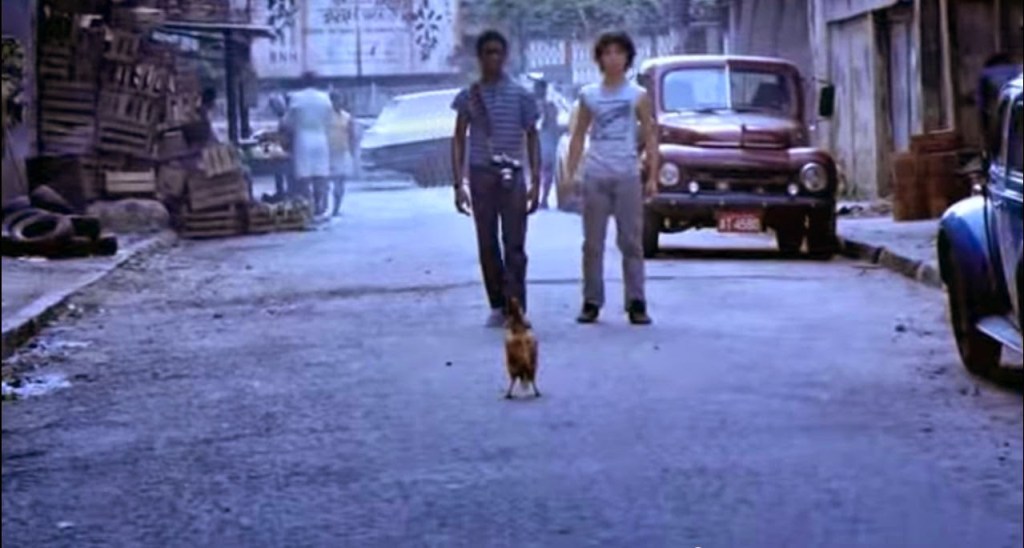
Things go from comic to dire with lightning speed in this acclaimed Brazilian crime drama. City of God begins with one very nervous chicken fleeing for its life from what appears to be a kill-and-grill party. A band of youths gives chase through city streets until they stop dead in their tracks, guns suddenly drawn—not at the chicken now, but at a young man, Rocket (Alexandre Rodrigues), who has wandered in their path. The leader of the gang, a bloodthirsty psychopath we will soon know as Li’l Zé (Leandro Firmino), orders Rocket to catch the bird himself. The opening also signals the film’s restless chronology. Rocket’s narration abruptly rewinds the story two decades to explain how everyone arrived at this consequential moment. Directors Fernando Meirelles and Kátia Lund’s fast edits, disorienting camera movement, and mercurial shift in tone announce the visual pyrotechnics that will propel City of God.
(See more in The 10 best gangster films.)
14. The Social Network (2010, dir. David Fincher)
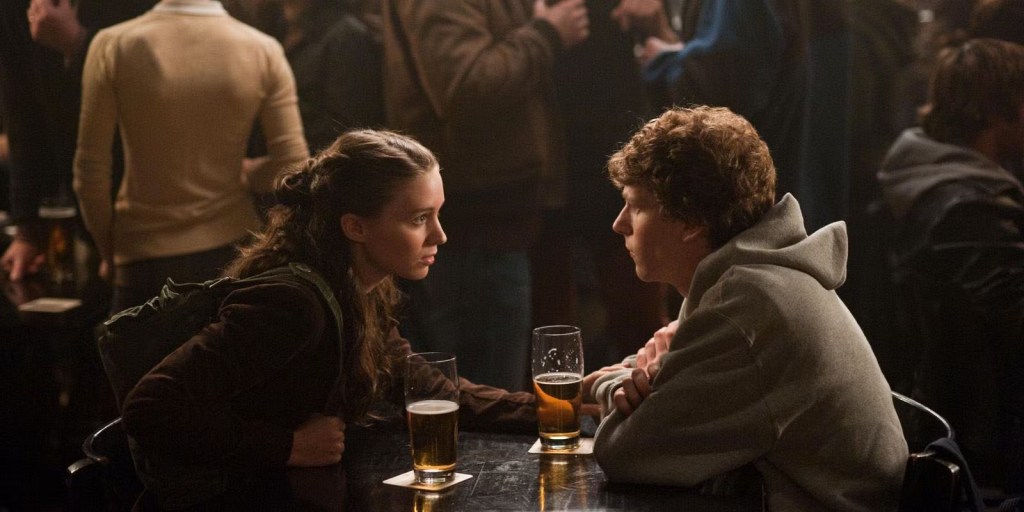
The Social Network wastes no time letting you know this biopic of Facebook founder Mark Zuckerberg is an anti-hagiography. Aaron Sorkin’s withering adaptation of Ben Mezrich’s nonfiction The Accidental Billionaires begins in 2003 at Harvard University, where Mark (Jesse Eisenberg) and girlfriend Erica (Rooney Mara) are having dinner in a noisy bar. The prickly, awkward Mark is obsessed with breaking into one of the university’s elite all-male finals clubs, and his rapid-fire talk swings from arrogance to self-loathing and back again so fast that Erica can barely get a word in. When she finally does, it’s to dump his ass. “You’re going to go through life thinking that girls don’t like you because you’re a nerd,” she tells him, “and I want you to know, from the bottom of my heart, that that won’t be true. It’ll be because you’re an asshole.” She departs, leaving Mark alone at the table—already, in the span of a single scene, a portrait of the brilliance and toxicity that will define everything that follows.
13. Once Upon a Time in the West (1968, dir. Sergio Leone)
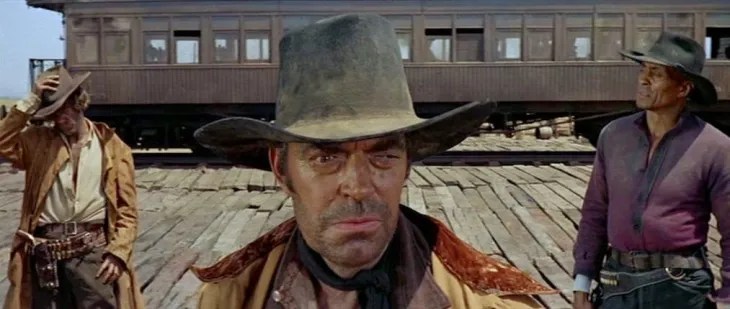
Three gunmen wait for a train to arrive. That’s the extent of the setup in this myth-making spaghetti western from Sergio Leone. It’s nearly 15 minutes before a gunfight finally arrives, and it lasts only a few seconds. But the waiting is the point. Leone trims the western to its essentials—faces, landscape, time itself—before rebuilding the genre in his own operatic image. Mostly wordless and sans music, the scene plays out as the desperadoes (Jack Elam, Woody Strode, and Al Mulock) endure a squeaky windmill, a dripping water tank, and—most memorably—a buzzing fly that Elam traps in the hollow of his gun. Finally, a train pulls into the remote station. As it departs, an eerie harmonica is heard, and the gunmen find themselves face to face with the stranger who produced it, a man we will come to know as Harmonica (Charles Bronson). He asks if they brought him a horse. They laugh coldly. “Looks like we’re shy one horse,” one answers. “No,” Harmonica corrects him. “You brought two too many.”
(See more in The 15 best revenge films.)
12. Halloween (1978, dir. John Carpenter)
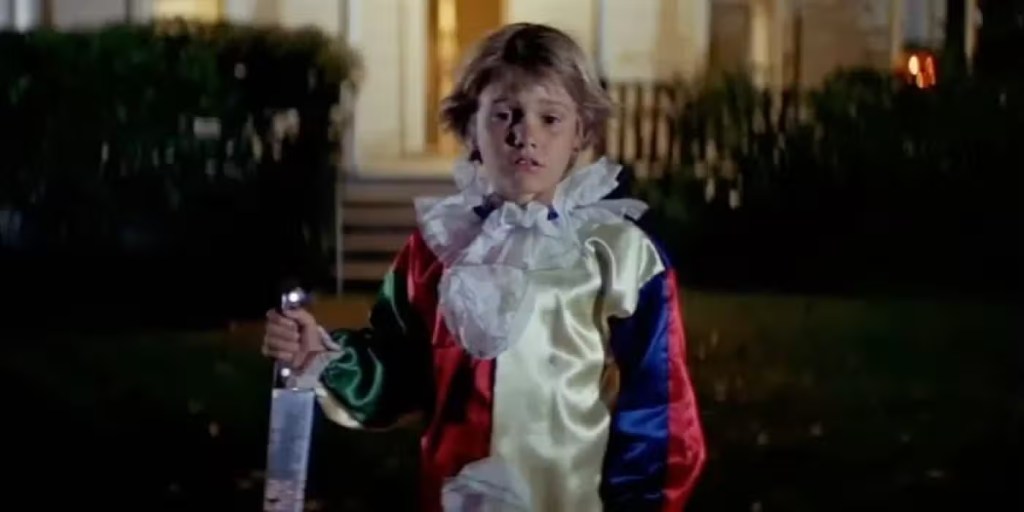
It’s Halloween night, 1963, in small-town Haddonfield, Illinois, and we, the moviegoing audience, are immediately implicated. John Carpenter forces us into the point of view of an intruder circling a two-story house before slipping in through a side door. We put on a nearby clown mask and grab a large knife from a kitchen drawer. Then we climb the stairs and, in a flash, stab to death a teenage girl as she sits half-dressed at her vanity mirror. Only at scene’s end, when an adult pulls off the mask, do we discover the killer is a 6-year-old boy named Michael. In the wake of Halloween, most horror films went through contortions to explain the trauma behind their psychopaths. Carpenter couldn’t have cared less. Michael, his own doctor insists, is simply and purely evil. Carpenter has cited the opening tracking shot of Orson Welles’ Touch of Evil (see #10) as his direct inspiration; he shot his own elaborate POV take on the final night of a grueling 20-day schedule. Countless slashers have imitated Halloween’s opening and its reliance on the POV shot. Few, can match its unnerving simplicity.
(See more in The 15 best slasher films.)
11. Sunset Boulevard (1950, dir. Billy Wilder)
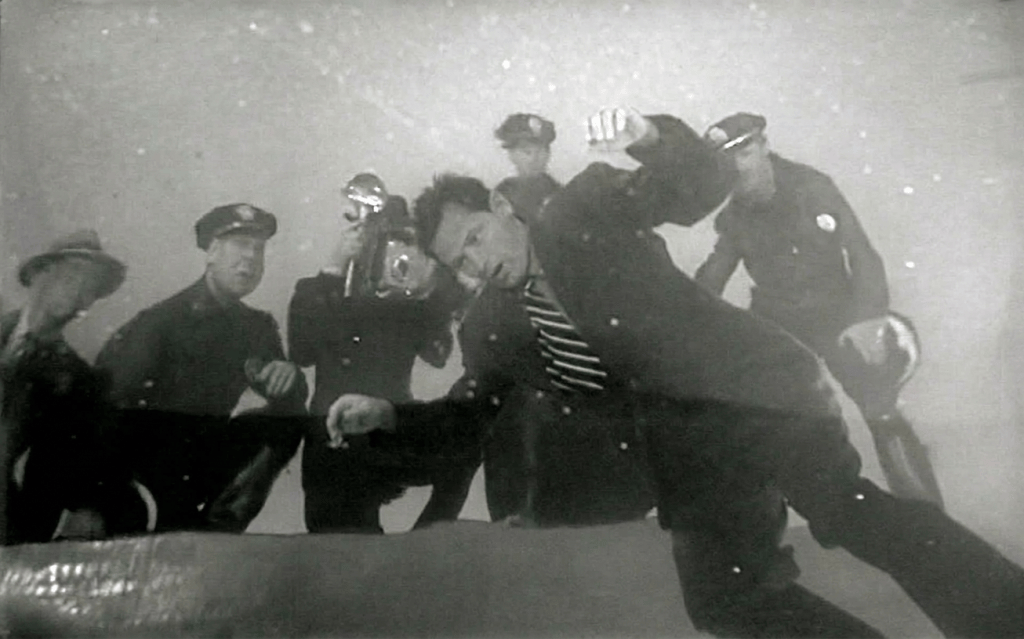
At an early test screening of Sunset Boulevard, a corpse in the city morgue sat up and began telling his fellow deceased the story of how he wound up in this condition. It was a bold move, but test audiences hooted. It wasn’t the reaction Billy Wilder wanted, though the writer-director, ever the cynic, remained determined to have the dead man serve as narrator. The scene that eventually made the final cut is still a knockout. Police respond to a homicide at a mansion in the 10,000 block of Sunset Boulevard. As Joe Gillis, the ill-fated screenwriter who became a gigolo to an aging silent-film queen, William Holden narrates in voiceover even as he floats face-down in a swimming pool with three bullet holes in him. To achieve the underwater perspective, cinematographer John F. Seitz photographed the scene’s reflection in a mirror placed at the bottom of the pool. “The poor dope. He always wanted a pool,” Gillis says. “Well, in the end, he got himself a pool, only the price turned out to be a little high.” Few openings announce a film’s fatalism more succinctly.
(See more in The 15 best film noir, The 10 best films about filmmaking and The 10 best performances by film directors.)
10. Touch of Evil (1958, dir. Orson Welles)
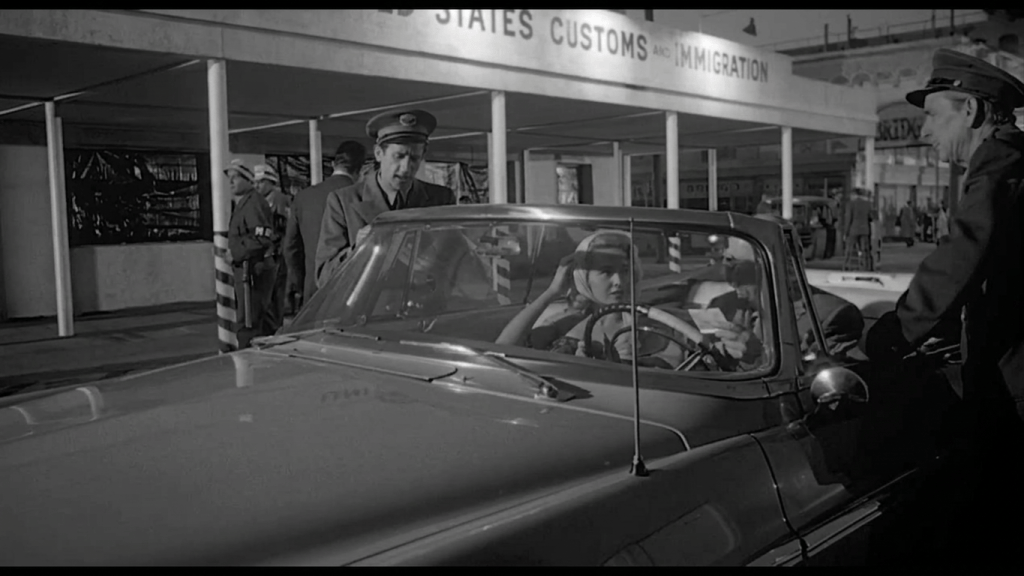
Alfred Hitchcock defined suspense by way of a scenario: the audience knows that a bomb is about to go off but the characters onscreen have no idea. Orson Welles’ Touch of Evil offers a perfect illustration of Hitch’s explanation. In one continuous tracking shot that lasts for roughly three minutes and 20 seconds, we see an unknown person plant a bomb beneath a convertible; a man and a woman then get into the car and drive several blocks before the inevitable explosion. Welles and cinematographer Russell Metty carefully choreographed the shot, which remains a technical wonder, but is far more than merely showing off. It establishes that we are in a Mexican town near the U.S. border. It introduces us to two key characters, played by Charlton Heston and Janet Leigh, and it sets up the story’s chief mystery. For the final cut, however, Universal Pictures slapped title credits over the shot and overlaid a Henry Mancini score. Welles responded with a 58-page memo urging that the original scene be restored without credits and music. A 1998 restoration finally re-edited the picture in accordance with many of Welles’ instructions.
(See more in The 15 best film noir.)
9. I Am Cuba (1964, dir. Mikhail Kalatozov)
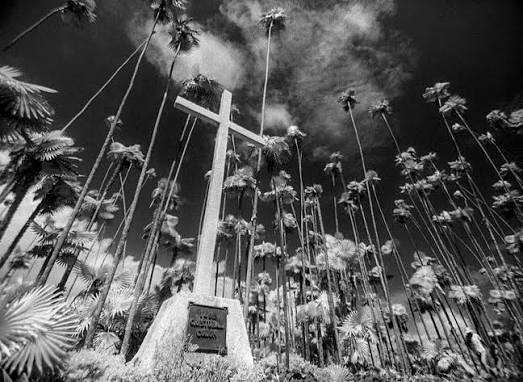
Soviet filmmaker Mikhail Kalatozov opens I Am Cuba with a dazzling pair of oners—those uninterrupted traveling shots that pull viewers into the sensation of being physically present in the world onscreen. The first glides through a marshland by boat; rural Cubans go about their daily lives, humble and unhurried. Then Kalatozov cuts to a hotel rooftop overlooking a sprawling swimming pool. The camera moves past a band, drifts through what appears to be a beauty pageant, cranes down several stories to poolside, snakes through a crowd of rich tourists, follows a bikini-clad beauty to the water’s edge, and plunges in after her, continuing underwater as she swims. Taken together, the two shots stake out I Am Cuba’s claim before a word of dialogue is spoken: the idyllic life of the Cuban people set against the vulgarity and decadence of capitalist intruders occupying their island. Cinematographer Sergei Urusevsky achieved the pool shot using a specially rigged camera passed hand to hand by operators along its route—decades before the Steadicam would make such things routine. The sequence remains a technical marvel, political propaganda transformed into visual splendor.
8. Goodfellas (1990, dir. Martin Scorsese)
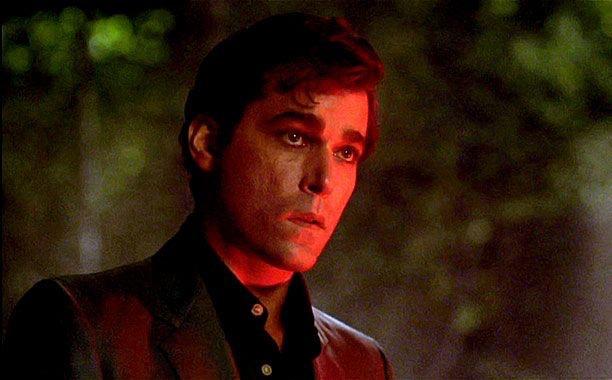
“I wanted Goodfellas to move as fast as a trailer, or the opening of [Truffaut’s] Jules et Jim, and to go on like that for two hours,” Martin Scorsese said of his approach to Goodfellas, as quoted in Mary Pat Kelly’s Martin Scorsese: A Journey. He opens his crime epic of mobster-turned-informant Henry Hill (Ray Liotta) with the force of a baseball bat to the knees. Three men in a Pontiac are driving a remote stretch of New York highway late at night when they hear a clattering from the rear of the car. Henry, driving, asks the others if he hit a deer. They pull over to inspect. The commotion is coming from the trunk. They open it: it’s a guy they thought they’d already killed—viewers will later learn about Billy Batts (Frank Vincent) and his big fucking mouth—and he’s still alive. Henry’s passengers, Jimmy and Tommy (Robert De Niro and Joe Pesci, respectively), finish the job. As Henry shuts the trunk, he tells us in voiceover one of the most instantly recognizable opening lines in moviedom: “As far back as I can remember, I always wanted to be a gangster.” Tony Bennett’s booming “Rags to Riches” kicks in, and Goodfellas charges straight ahead, a mob movie with a rock ‘n’ roll pulse
(See more in The 10 best gangster films and The 20 best needle drops in film.)
7. Jaws (1975, dir. Steven Spielberg)
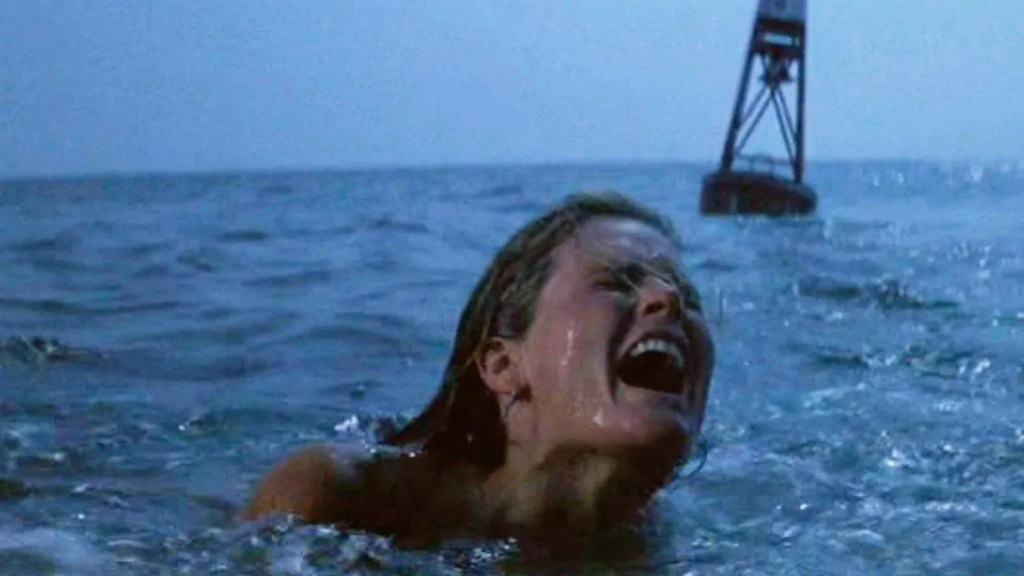
Boy meets girl at a party on the beach. The girl, Chrissie (Susan Backlinie), teasingly rushes to the water while the boy, Tom (Jonathan Filley), stumbles to keep pace before collapsing on the sand. Chrissie swims further out. Cue John Williams’ ominous two-note music motif as we see Chrissie’s legs kicking underwater from the vantage point of an unseen predator. Persistent problems with Jaws’ mechanical sharks forced young director Steven Spielberg to rethink how this adaptation of Peter Benchley’s bestseller would strike terror in the hearts of audiences. “The shark not working was a godsend,” Spielberg said later. As a result, the ocean itself becomes a thing of evil. Backlinie’s legs were attached to a harness with cables. Spielberg then had crew members yank the cables from all sides without letting the actress know from what direction the jostling would be coming so as to elicit a realistic response. The result is horrific, the illusion of an unknown force pulling Chrissie under. She screams, struggles, and disappears, swallowed up by a sea that instantly turns tranquil. The three-day shoot produced a scene of primal terror and heralded the arrival of a cinematic phenomenon.
(See more in The 10 best summer films.)
6. Persona (1966, dir. Ingmar Bergman)
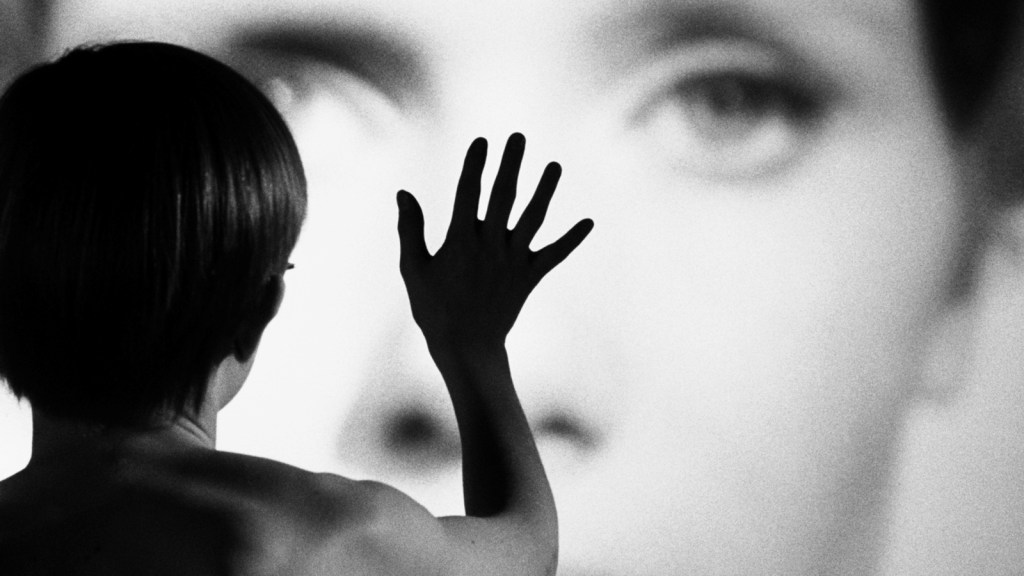
This Ingmar Bergman masterpiece offers one of the most fascinating, if puzzling, film openings ever. Persona begins inside a movie projector, where a strip of celluloid races through the gate as the carbon-arc light flickers behind it. The artifice is announced before anything else: this is a film. Then Bergman intercuts a barrage of unrelated images—a silent-movie devil, a razor slicing through an eye, a spider on a white background, an erect penis, nails hammered into a human hand. A young boy awakens in a stark white room and stretches his hand toward us. But the angle shifts, and we see it wasn’t us at all—the boy is reaching for a movie screen, where the blurred faces of actress Elisabet Vogler (Liv Ullmann) and nurse Alma (Bibi Andersson) slowly come into focus. The sequence erases the distance between projector, screen, film, and audience. Before the story even starts, Bergman reminds us that movies are illusions—and then uses that illusion to probe truths that realism cannot reach. What follows is a hypnotic inquiry into identity, perception, and the porous boundary between one consciousness and another, as Elisabet and Alma gradually exchange emotional, psychological, and perhaps even spiritual identities. Or maybe they don’t. Bergman famously refuses to settle the question.
(See more in The 10 best mindfuck films and The 10 best films about identity crises.)
5. Inglourious Basterds (2009, dir. Quentin Tarantino)
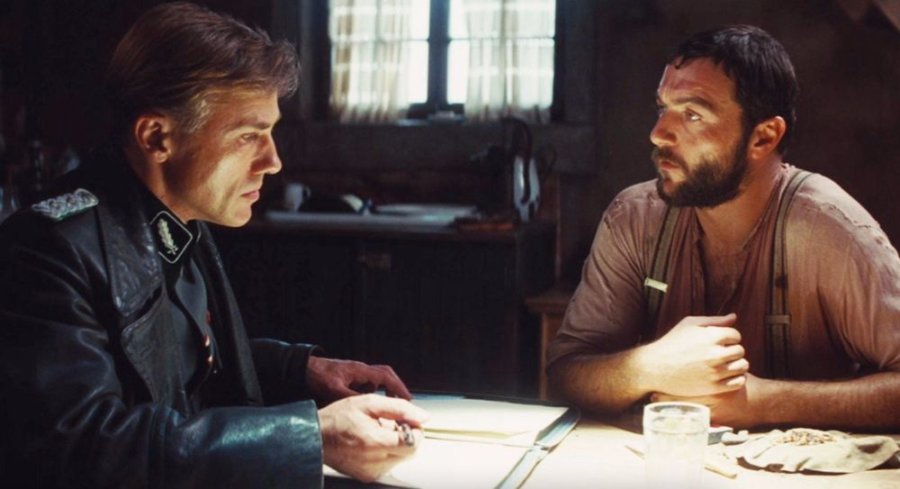
Quentin Tarantino’s unhinged World War II flick opens with pure directorial flex. Titled “Once Upon a Time … in Nazi-Occupied France,” the scene introduces German SS Col. Hans Landa (Christoph Waltz) upon his visit to the French dairy farm of Perrier LaPadite (Denis Ménochet). Landa, called “the Jew hunter” for reasons that will become queasily plain, explains he is trying to track down a family of Jewish farmers who have managed to evade capture. What makes his manner so unnerving is the conviviality with which this Nazi presents himself as a man of culture and refinement. Waltz is effortlessly charming and chilling in an Oscar-winning performance. Tarantino characters love to talk, and Landa is no exception, but here the tangy dialogue stretches the suspense until it’s nearly unbearable. The camera has conveyed to us that the terrified Dreyfus family is under the floorboards where Landa and LaPadite are talking. Moreover, we realize that Landa knows they’re in the farmhouse, and we suspect LaPadite knows that Landa knows. The Nazi tells LaPadite that because his colleagues tend to think like a hawk, they only search where a hawk might hide. But Jews think like rats, Landa continues. “There are so many places it would never occur to a hawk to hide,” he says. “I’m aware of the tremendous feats human beings are capable of once they abandon dignity.” It is an 18-minute game of cat and mouse in which the stakes are deadly—right up to the scene’s inevitable, gut-wrenching end.
(See more in The 10 best films about fake history.)
4. Saving Private Ryan (1998, dir. Steven Spielberg)
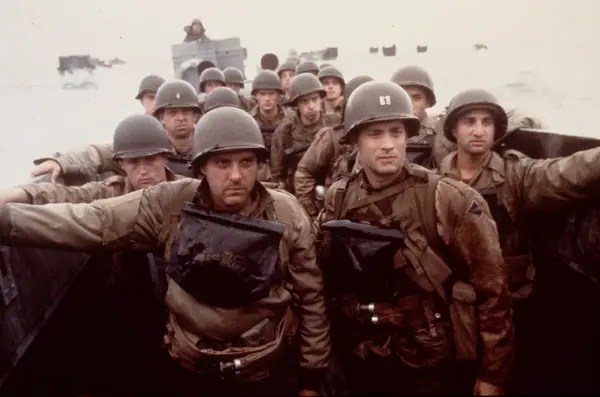
Arguably the most devastating battle scene ever committed to celluloid, the opening sequence of Saving Private Ryan is also the most cinematically immersive depiction of World War II ever filmed. A brief framing device—an elderly veteran breaking down at a Normandy cemetery, comforted by his family—bookends the story before Steven Spielberg and screenwriter Robert Rodat drop us into June 6, 1944: D-Day. What follows is 25 relentless minutes of the horrors of war, staged with a scale and verisimilitude that has not been matched. Spielberg shot the sequence over 25 days, enlisting some 1,500 extras, including about 1,000 Irish Army reservists, to storm a stand-in Omaha Beach on the Irish coast. He shot handheld with long lenses, stripped 60 percent of the color saturation to quash any hint of Hollywood polish, and cast amputees, fitted with prosthetics, to intensify the physical authenticity of the carnage. The effect is less choreography than chaos. Soldiers vomit from fear before they even land, officers scream orders no one can hear, men comb the surf for their severed limbs. This is not spectacle, but the filmmakers’ resolve to make audiences understand the cost and sacrifice for Allied forces of a pivotal moment in world history. Its impact was so prominent that the U.S. Department of Veterans Affairs established special resources for veterans distressed by the film and received more than 100 related calls shortly after its release.
3. The Godfather (1972, dir. Francis Ford Coppola)
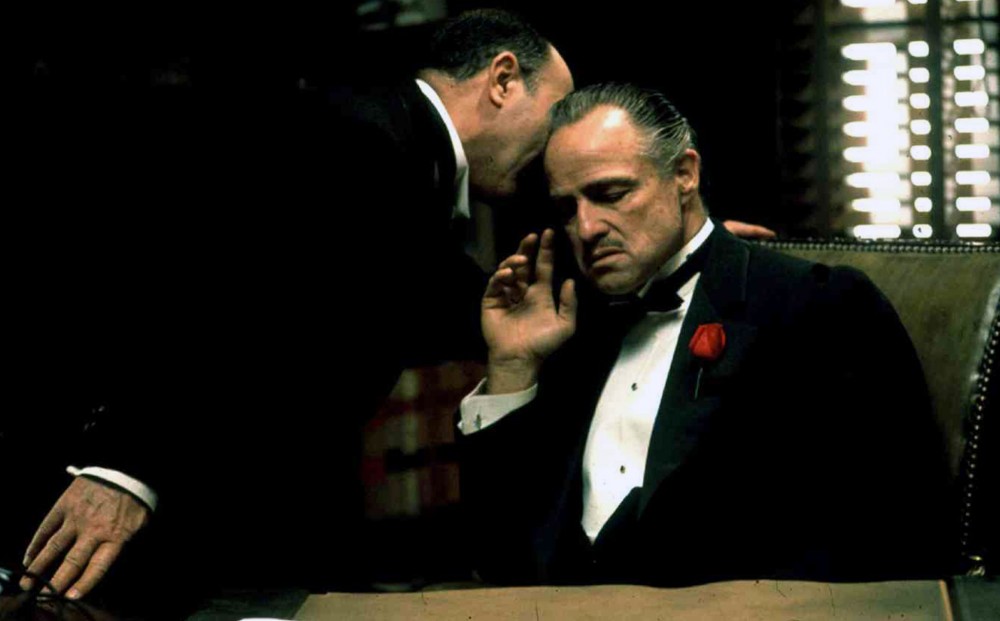
Opening a gangster picture with a minor character delivering a lengthy monologue is an audacious choice. Francis Ford Coppola was nothing if not audacious, having won a Best Screenplay Oscar two years earlier for Patton (1970), which also begins with a speech. The Godfather introduces Amerigo Bonasera (Salvatore Corsitto), an aggrieved undertaker, facing the camera—us—with the words, “I believe in America.” As the camera slowly pulls back and he continues, it is clear that this immigrant’s adopted homeland has failed him. Two young men attempted to rape his daughter and brutally beat her when she resisted, yet received suspended sentences from the courts. Bonasera now wants justice from Mafia boss Vito Corleone, otherwise known as “the Godfather” (Marlon Brando), while a reception outside celebrates the wedding of Corleone’s daughter. Stroking a cat in his lap, the soft-spoken mobster listens patiently before chastising Bonasera for never having sought his friendship or counsel before. Four men in a darkened study—the Godfather, his son Sonny (James Caan), consigliere Tom Hagen (Robert Duvall), and Bonasera—quietly negotiate shadow justice while the wedding reception unfolds outside. Coppola contended later that the “I believe in America” line encapsulates the entire film. “It’s saying that our country should be our family; in a way, that it should afford us the protection and the honor that, in a strange way, this Mafia family does.”
(See more in The 10 best gangster films and 10 memorable movie fathers.)
2. Citizen Kane (1941, dir. Orson Welles)
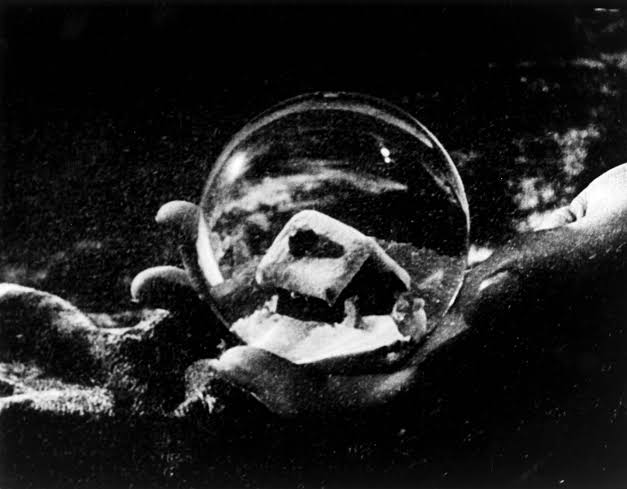
Orson Welles’ landmark debut changed the calculus of film on multiple levels, not least through an ingenious opening structure that helps guide viewers through Citizen Kane’s nonlinear structure. Purposefully cryptic imagery—a “No Trespassing” sign, the mouth of a dying man muttering “Rosebud,” his hand releasing a snow globe that shatters on the floor—establishes the ostensible mystery. What is the meaning of this final utterance of newspaper mogul Charles Foster Kane (Welles)? “It’s not about what ‘Rosebud’ means,” writes Roger Ebert in The Great Movies. “It’s about why we want it to mean something.” Kane is a thinly veiled fictionalization of media titan William Randolph Hearst, whose newspaper syndicate worked overtime in 1941 trying to bury Citizen Kane. There is a persistent story, perhaps apocryphal, that Kane co-writer Herman J. Mankiewicz, who was friends with Hearst mistress Marion Davies, knew that “rosebud” was Hearst’s pet name for her, ahem, vagina. In the film, the word’s meaning is decidedly more melancholy, and not revealed until the coda—although the clues are right there in this opening sequence. The dreamlike montage is suddenly interrupted by a pitch-perfect parody of the newsreels that were part of movie-theater culture in 1941. The ersatz News on the March storms through Kane’s obituary, a clever distillation of the film’s ensuing narrative and its thematic tension between Kane’s populist ideals and his hunger for power.
(See more in The 10 best films about memory and The 10 best journalism films.)
1. 2001: A Space Odyssey (1968, dir. Stanley Kubrick)
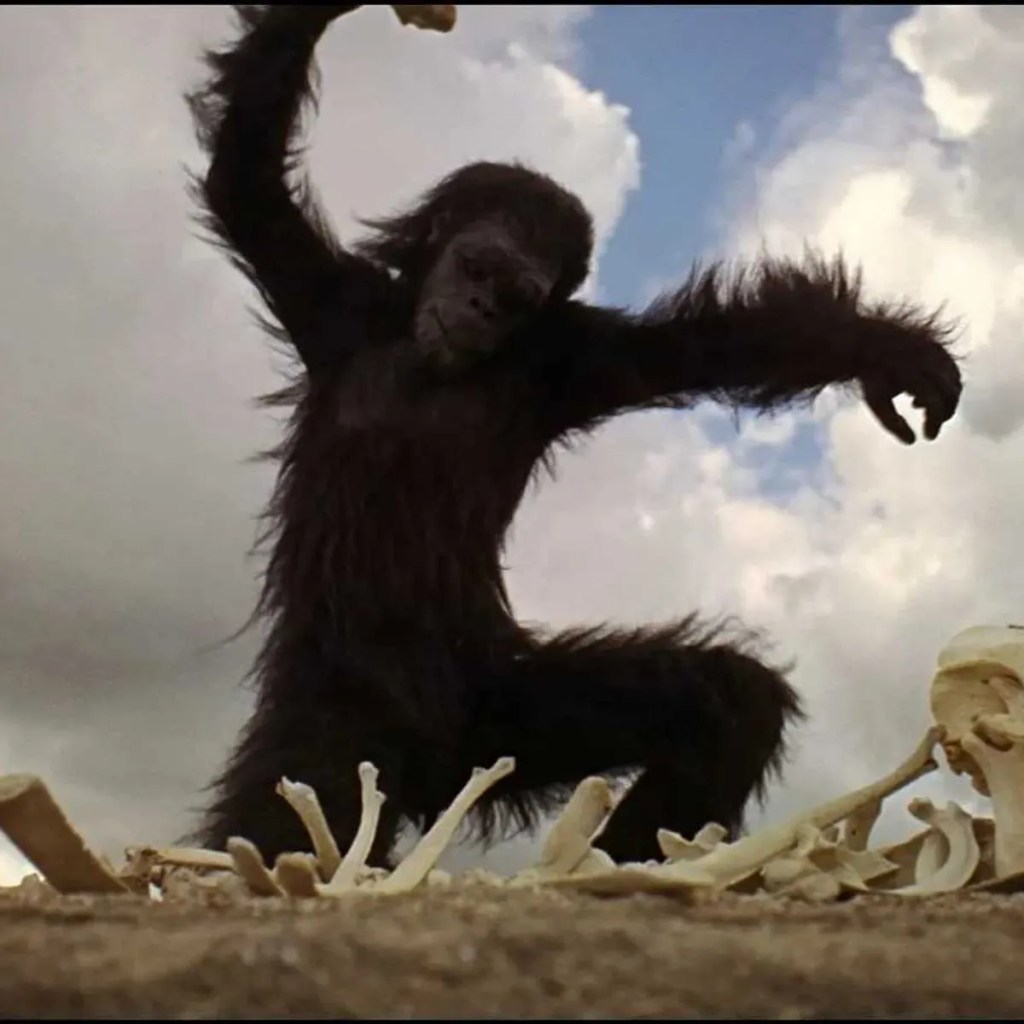
A story about space exploration begins with … the beginning of humankind? Why, yes—yes it does, as a matter of fact. Linking primitive man to futuristic space travel is the first big swing in Stanley Kubrick’s towering science-fiction masterpiece. The 19-minute “Dawn of Man” sequence introduces a band of prehistoric hominids fighting for survival. An enigmatic monolith then appears, the first of several in 2001 that signify an evolutionary step for human beings. Man discovers weaponry—here, in the form of an animal bone that can be used to kill their prey. The notoriously perfectionist director pushed his crew to their limits. Kubrick was adamant to film the mothers nursing their young and make it look convincing. Makeup artist Stuart Freeborn initially wanted to use wires to manipulate baby chimps so it looked like they were suckling prosthetic breasts worn by actors. Kubrick said that was cheating. Freeborn eventually found a workaround, but was stymied when Kubrick shot down his plan to keep the chimps latched by slathering honey on the fake teats. “No, that’s no good,” groused the director. “They’ll suck that off too quickly. I want to see them really suckling.” The sequence ends with the most famous match cut in cinema history. The ape-man Moon Watcher, upon recognizing how useful a bone can be in clobbering his foes, hurls the rudimentary weapon to the sky. In an instant, the bone is replaced by a massive orbiting satellite floating in the stillness of space. The edit truncates millions of years while making powerful implications about the nature of humankind.
(See more in The 10 best films about artificial intelligence, The 10 best mindfuck films, and The 20 best needle drops in film.)
Honorable mention: All About Eve (1950, dir. Joseph L. Mankiewicz), Apocalypse Now (1979, dir. Francis Ford Coppola), Blue Velvet (1986, dir. David Lynch), Come and See (1985, dir. Elem Klimov), Get Out (2017, dir. Jordan Peele), The Lion King (1994, dir. Roger Allers and Rob Minkoff), The Lord of the Rings: The Fellowship of the Ring (2001, dir. Peter Jackson), Magnolia (1999, dir. Paul Thomas Anderson), The Matrix (1999, dir. Lana Wachowski and Lilly Wachowski), Metropolis (1927, dir. Fritz Lang), No Country for Old Men (2007, dir. Joel Coen and Ethan Coen), Parasite (2019, dir. Bong Joon Ho), Patton (1970, dir. Franklin J. Schaffner), The Player (1992, dir. Robert Altman),


5 responses to “The 20 best opening scenes in film”
[…] up to €500 and has banned more than one Fellini enthusiast from the fountain for life(See more in The 20 best opening scenes in film and The 15 best films exploring class […]
LikeLike
[…] is Sunset Boulevard’s ultimate femme fatale. (See more in The 10 best films about filmmaking, The 20 best opening scenes in film, and The 10 best performances by film directors not typically known for […]
LikeLike
[…] Joel and Ethan Coen’s adaptation of Cormac McCarthy’s 2005 novel is a slab of mesquite-grilled nihilism with a dash of humor as dry as a West Texas dust storm. Josh Brolin is Llewelyn Moss, a tight-lipped welder who finds $2 million in an abandoned briefcase from a drug deal gone bad. Out to recover the loot, and kill a lot of people in the process, is Javier Bardem as Anton Chigurh, a psychopath with a God-awful haircut and a terrifying way of deciding a coin toss. Tommy Lee Jones portrays a world-weary sheriff struggling to make sense of the trail of bodies left in Chigurh’s wake. The three principals are tremendous, but there are also fine supporting turns by Woody Harrelson and Kelly Macdonald. No Country for Old Men netted the Coens Academy Awards for Best Picture, Best Director, and Best Adapted Screenplay. On that final recognition, the brothers perform a deft balancing act between fidelity to McCarthy’s prose and injecting their own unique worldview, including a powerful conclusion that is faithful to the book, until it isn’t. In The Coen Brothers: This Book Really Ties the Films Together, Adam Nayman notes “the film is a study in how reverence does not preclude self-expression.” Moral ambiguity is the Coens’ native language.(See more in The 20 best opening scenes in film.) […]
LikeLike
[…] I couldn’t help but wonder if this mistaken dad had seen Inglourious Basterds.(See more in The 20 best opening scenes in film and The 20 best needle drops in […]
LikeLike
[…] never say “I’ll be right back.” Of course, the partygoers pay no attention.(See more in “The 20 best opening scenes in film” […]
LikeLike